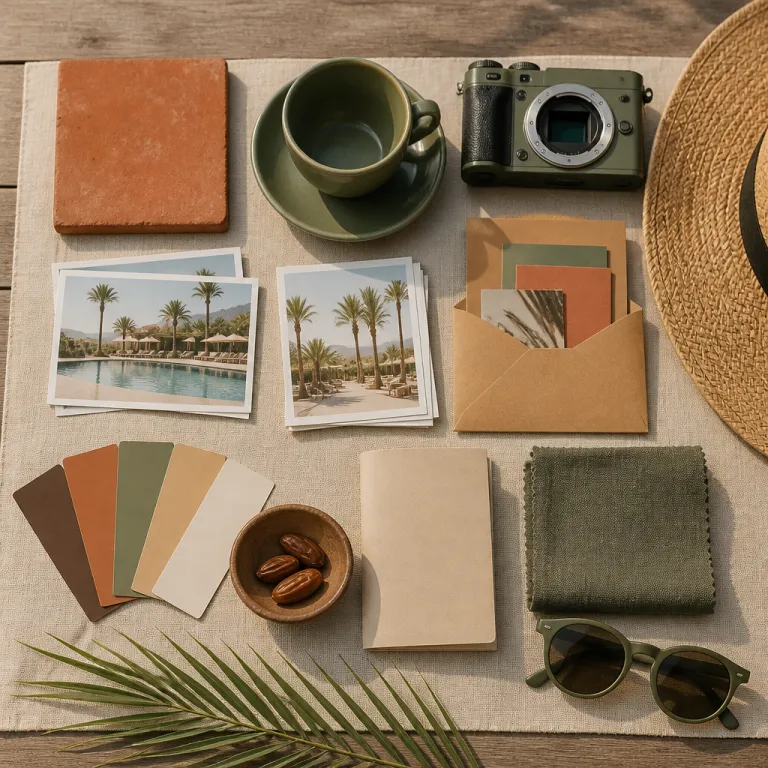
From gated desert community to influence storytelling laboratory
Palm Desert Resort and Country Club in Palm Desert, California is more than a gated desert community; it is a ready-made narrative engine for hospitality influence. For B2B content creators and travel influencers, this desert resort setting offers a dense ecosystem where golf, tennis, dining, and residential life intersect in one coherent story arc. When you frame the Palm Desert resort experience as a living stage rather than a static backdrop, every palm tree, fairway, and condo corridor becomes a narrative asset.
The property sits in Palm Desert, CA with approximately 960 homes arranged around an 18-hole golf course, multiple pools, tennis courts, and a clubhouse that anchors the social life of the country club. This scale matters for influence strategies, because a large resident community generates recurring storylines about neighbors, regulars, and staff that can be serialized across platforms. For brands and communication agencies, the integrated amenities allow you to connect golf, tennis, the dining room experience, and mountain views into one continuous content universe instead of isolated campaigns.
Creators who work with hospitality brands often struggle to translate abstract values into tangible scenes, yet here the course layout, the driving range, and each putting green already encode ideas of precision, patience, and play. A well-framed shot of the golf course at sunrise, with the mountain line behind the green, can visually express calm mastery, while a short reel from the club palm terrace during a social event can embody warmth and community. The key is to treat the entire desert country environment as a narrative grid where every amenity, from the championship golf course to the tennis courts, has a defined storytelling role.
Designing hospitality storytelling frameworks on the golf course
For B2B creators, the golf course at Palm Desert Resort and Country Club in Palm Desert, CA is not just a sports facility; it is a structured storyboard with 18 chapters. Each hole offers a different combination of par, hazards, and views, which can be translated into episodic content that follows a guest, a pro, or even a staff member through a full round. When you plan a content calendar around the golf course, you transform tee time slots into narrative slots that can be booked as carefully as you book tee reservations.
The layout stretches to about 6,585 yards, which gives ample space for varied camera angles on fairways, greens, and water features that highlight both the desert landscape and the manicured resort country environment. A series that focuses on one signature hole per week can mix technical insights about par strategy, emotional reactions from players, and subtle product placement for hospitality brands. Agencies can also build B2B storytelling around operational excellence, showing how the maintenance team keeps each green immaculate, how the driving range supports coaching programs, and how the putting green becomes a social hub before and after rounds.
When you integrate a clear note about UGC rights management for hotels into this framework, you help hotel brands and platforms structure permissions around user-generated content filmed on the golf course. For example, a simple on-site protocol might require creators to check in at the pro shop, sign a filming form, and confirm where drones or tripods are allowed before they book tee times. Clear guidelines about filming on the course fairways, in the desert resort practice zones, or near the clubhouse protect both the community and the creators. This legal clarity increases trust, which in turn encourages guests to share more authentic golf tennis moments from their phones, amplifying the rating and reputation of the country club across social channels.
Turning tennis courts, pools, and dining rooms into narrative micro stages
While golf often dominates the conversation, the tennis courts, pools, and dining spaces at Palm Desert Resort and Country Club in Palm Desert, CA provide equally powerful storytelling micro stages. Each tennis match, poolside afternoon, or dinner in the dining room offers a different emotional tone that B2B creators can align with specific campaign objectives. A fast-paced tennis rally can support performance-focused messaging, while a slow pan across a sunset dining terrace with mountain views can anchor narratives about relaxation and connection.
For travel influencers, the combination of golf tennis content allows you to speak to multiple audience segments without leaving the same desert resort community. One day you might film a coaching session on the tennis courts, highlighting technique and camaraderie, and the next you might capture a quiet breakfast in the clubhouse dining room that emphasizes service, cuisine, and discreet luxury. Agencies can then weave these scenes into multi-format campaigns where short-form clips drive awareness, while long-form articles explain how the resort country model supports active lifestyles and social engagement.
Hospitality brands can learn from case studies such as a breakfast restaurant turned storytelling stage, which shows how a single venue can carry a high-impact narrative when framed correctly. At Palm Desert, similar principles apply when you treat each pool, each condo patio, and each club palm lounge corner as a potential storytelling set. The goal is to map the amenities, from tennis to dining, into a content matrix where every space has a defined narrative function, whether it is intimacy, spectacle, performance, or quiet reflection.
Residential life, condos, and homes as long form narrative arcs
The 960 homes and condo units within Palm Desert Resort and Country Club in Palm Desert, CA create a residential layer that many standalone resorts lack. For B2B content creators, this residential community transforms the property from a short-stay destination into a long-form narrative environment where characters evolve over months and years. You can follow a couple who moves into a condo overlooking the golf course, a retired player who volunteers at the driving range, or a young family who uses the pools and tennis courts as their daily playground.
Such storylines resonate strongly with audiences who seek authenticity, because they show how the desert resort functions as a lived-in country club rather than a transient hotel. Agencies can design campaigns that highlight the rhythm of life across seasons, from early morning walks under the palm trees to evening gatherings in the clubhouse dining room. The presence of multiple pools, shared amenities, and diverse homes allows you to illustrate how a resort country model supports intergenerational community building and social retention.
For hospitality brands, this residential angle also opens B2B storytelling opportunities around property management, HOA governance, and partnerships with local businesses in Palm Desert, California. A feature on how the community collaborates with local organizations to host events on the golf course or in the club palm spaces can underline values of responsibility and engagement. When you integrate best practices from high-impact storytelling stages in other hospitality contexts, you can refine how you frame everyday scenes like a neighborly chat near the putting green or a shared ride to a nearby attraction as part of a coherent brand narrative.
Operational transparency, ratings, and the role of data in influence
For travel influencers and B2B creators, operational transparency at Palm Desert Resort and Country Club in Palm Desert, CA is not a backstage detail; it is a content pillar that builds trust. When you show how staff coordinate tee time schedules, maintain the golf course, and manage the tennis courts, you give audiences a concrete sense of quality behind any rating they see online. This kind of behind-the-scenes storytelling aligns with Google’s Helpful Content guidelines, because it answers real questions about how a desert resort actually operates.
Data points such as the number of homes, pools, or the length of the course layout can be woven into narratives that feel human rather than mechanical. A reel that follows the maintenance team across the driving range at dawn can include on-screen captions about the 6,585-yard championship golf course and the number of greens they prepare each morning. Agencies can then repurpose these assets into B2B case studies that show how operational excellence supports both guest satisfaction and social amplification.
One social media manager described the impact of this approach after a recent shoot in 2023: “Once we filmed the 5 a.m. prep on the practice green and explained the irrigation checks, our comments shifted from ‘nice views’ to ‘I trust this place with my event.’” When you reference specialized resources on how transparent hospitality operations reshape influence and social amplification, you can draw parallels with pet-friendly or family-friendly policies at Palm Desert. Clear communication about contact channels, such as a dedicated desert phone line for tee time or dining reservations, reassures guests and creators alike. The more precisely you explain processes like how to book tee slots, how to request filming permissions, or how to reach the club by phone, the more credible and shareable your content becomes across platforms.
Practical playbook for creators, brands, and platforms on site
To translate these principles into action at Palm Desert Resort and Country Club in Palm Desert, CA, creators need a structured yet flexible playbook. Start by mapping the property into zones such as golf course, tennis courts, pools, dining spaces, and residential streets, then assign each zone a primary narrative theme. This spatial mapping helps you balance content across sports, relaxation, community, and behind-the-scenes operations without over-focusing on a single amenity.
Next, align your production schedule with the natural rhythms of the desert country environment, such as early morning light on the mountain views, midday activity on the driving range, and golden hour scenes on the greens. For each shoot, define one main storyline, whether it is a tee time ritual, a family lunch in the dining room, or a quiet moment on a condo balcony overlooking the golf tennis facilities. Brands and agencies should also coordinate with the on-site team to clarify rules about filming near homes, using drones over the golf course, or capturing audio in the clubhouse.
Finally, integrate clear calls to action that respect both the community and the audience, such as inviting viewers to check weather forecasts, book tee times in advance, or explore local attractions in Palm Desert, California. When you share practical details like the address on Country Club Drive or the best way to reach the club by phone, you turn aspirational content into actionable guidance. Platforms and hospitality brands can then track performance KPIs such as engagement, click-throughs, and booking conversions to refine their influence strategies while preserving the integrity of the resort country community.
Key figures and structural insights for influence strategies
- Palm Desert Resort and Country Club includes approximately 960 homes within its gated community, which provides a large resident base for recurring storytelling and long-term influence partnerships, according to community association summaries and local property records.
- The championship golf course measures about 6,585 yards from the back tees, a length that supports both casual play and more competitive formats, as reported by established golf course directories and course rating summaries.
- The property offers around 20 pools distributed across the community, creating multiple visual backdrops and lifestyle settings for creators to vary their content, based on community amenity maps and residential resort documentation.
- The resort operates year-round in the Coachella Valley climate, which allows brands and agencies to plan seasonal campaigns without long off-season gaps, as indicated by regional tourism boards and municipal tourism data.
- The integrated model of golf, tennis, pools, and clubhouse amenities is designed to enhance quality of life and foster community engagement, which directly supports narratives around well-being and social connection in hospitality influence.
FAQ about influence and storytelling at palm desert resort and country club
What amenities at Palm Desert Resort and Country Club are most valuable for content creation ?
The most valuable amenities for content creation include the 18-hole golf course, the tennis courts, the multiple pools, and the clubhouse with its dining spaces. Each of these areas offers distinct visual and emotional tones that can support different campaign objectives. Creators can also leverage residential streets, condo balconies, and mountain views as quieter backdrops for interviews or reflective pieces.
Is membership required to film or create content on site ?
Membership at the country club offers benefits such as access to certain events and facilities, but the property also maintains public access to many amenities. For professional shoots, B2B creators and agencies should coordinate with management to secure permissions and clarify any restrictions. This approach aligns with best practices in UGC rights management and protects both the community and the brands involved.
How can travel influencers integrate golf and tennis into broader hospitality narratives ?
Travel influencers can use golf and tennis as narrative anchors that express themes like discipline, performance, and social connection. A series that follows guests from tee time on the golf course to a match on the tennis courts and then to dinner in the clubhouse can show the full arc of a day in the resort country environment. By mixing technical insights with lifestyle scenes, influencers can appeal to both sports enthusiasts and leisure travelers.
Are there homes or condos for sale that can be featured in long form content ?
There are various homes and condo units within the Palm Desert community that come on the market, and these can be featured in long-form content with the consent of owners and agents. Such features work well for B2B storytelling about residential hospitality, property management, and community life. They also allow creators to show how the desert resort model supports long-term living rather than only short stays.
What practical tips should creators follow before planning a shoot on site ?
Creators should check weather forecasts, book tee times in advance if golf content is planned, and coordinate with management about filming permissions in sensitive areas like homes or the dining room. It is also wise to plan around the best natural light for mountain views and to prepare backup indoor locations in case of strong desert winds. Clear communication about schedules, phone contacts, and deliverables helps maintain trust with both the club and the audience.
References
- Palm Desert Resort and Country Club official communications and community documents – community and real estate data for homes, condos, and amenities.
- Recognized golf course directories and travel platforms – course specifications, par data, and travel information for Palm Desert golf properties.
- Regional tourism and municipal resources for Palm Desert, California – amenity, climate, and operational context for residential resort communities in the Coachella Valley.