Why a v4 pipeline mindset changes hospitality influence
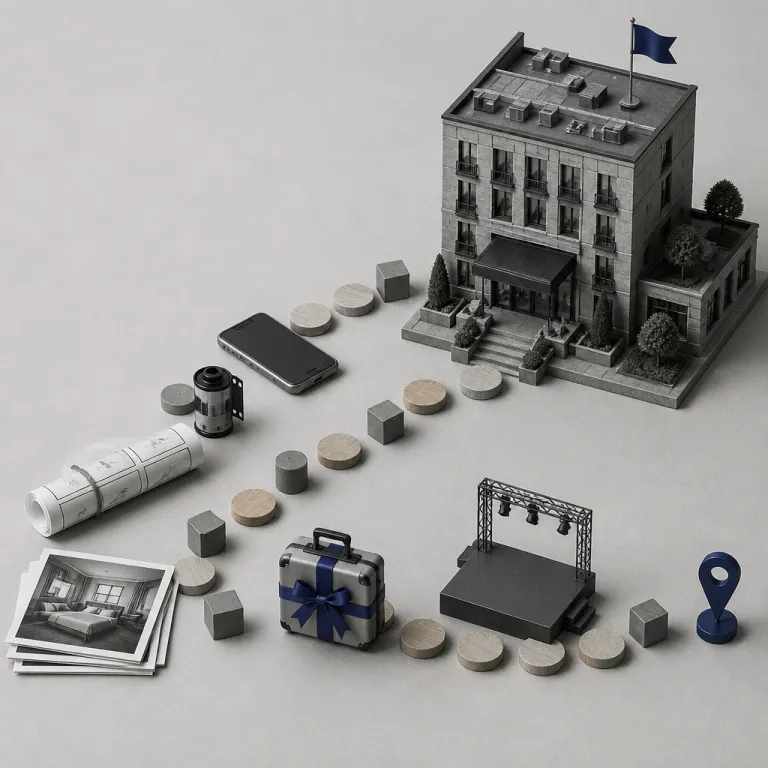
A v4 pipeline in progress signals that your content workflow is evolving into a repeatable, end-to-end system. For hospitality brands and travel creators, this structured pipeline becomes the backbone that connects guest experience, storytelling, and measurable business outcomes. When agencies and social platforms align around one shared v4 pipeline, influence stops being a series of isolated posts and becomes a continuous narrative that compounds over time.
In hospitality, influence, creators, and social amplification only scale when the content journey is explicit, documented, and shared across teams. A mature v4 content pipeline clarifies who captures raw material on property, who shapes the story, and who optimizes distribution for each platform and audience segment. This clarity reduces friction between B2B content creators, hotel marketing teams, and communication agencies, while giving platforms the structured assets they need to support discovery, engagement, and bookings.
For travel influencers, a defined production pipeline also protects creative integrity. It sets expectations around access, deliverables, and approvals, while leaving room for spontaneous storytelling that feels authentic to their community. Hospitality brands that respect this balance tend to secure deeper partnerships and more credible advocacy, because creators can plan arcs that serve both the audience and the property.
Designing a v4 pipeline for content production on property
On site, a v4 pipeline starts long before check in. Hotel brands and agencies should co create a shot list, narrative angles, and access plan that map to the agreed workflow, from raw capture to final edited assets. When travel influencers arrive, they can move through the property with purpose, knowing how each scene will feed the content system and future campaigns across social and B2B channels.
For B2B content creators, this means structuring production days like modular shoots rather than one off campaigns. Each room type, F and B outlet, spa, and meeting space is filmed and photographed in variations that match different stages of the funnel, from awareness to conversion. This modularity makes it easier to later transform guest shot content into bookable assets without losing brand consistency, especially when aligned with a documented workflow such as the one described in guides on turning guest visuals into performance content.
Agencies should also define how user generated content will enter the same hospitality influence pipeline. Clear tagging, rights management, and metadata standards allow social platforms and hotel teams to reuse guest content safely, while maintaining visual coherence across paid, owned, and earned channels. This shared discipline is where operational efficiency meets creative freedom and where social amplification becomes sustainable.
Aligning creators and brands around narrative architecture
A v4 pipeline is not only a technical workflow; it is a narrative architecture. Hospitality brands that treat their properties as story worlds can brief travel influencers and B2B creators with arcs, characters, and recurring motifs. This narrative clarity helps every asset in the content stream feel like part of a coherent universe, whether it appears on LinkedIn, Instagram, or a booking engine.
For example, a luxury resort in the Maldives might define three core narrative pillars: regenerative travel, culinary exploration, and discreet service. Each creator then plans content sequences that ladder up to these pillars, feeding the shared pipeline with short form clips, long form reviews, and behind the scenes vignettes. Agencies can later recombine these sequences into B2B case studies, sales enablement decks, or recruitment campaigns without diluting the original story.
Social platforms play a strategic role when they understand this architecture. By surfacing formats and features that best serve each narrative pillar, they help brands and creators amplify the same content ecosystem across audiences with different intent. This is particularly visible in niche verticals, such as private chef experiences in Los Angeles, where curated storytelling around service rituals and guest intimacy, as explored in analyses of private chef influence models, can drive both bookings and brand equity.
From raw footage to multi format assets in the v4 pipeline
Once production wraps, the v4 pipeline shifts from capture to transformation. Raw footage, audio notes, and stills move into a structured editing phase where each asset is tagged by property, experience, audience, and funnel stage. This disciplined approach ensures that the content engine can output multiple formats from the same source material, without exhausting creators or guests.
For travel influencers, this means planning content in layers: a hero narrative for YouTube or a blog, supporting micro stories for Instagram and TikTok, and professional snippets for LinkedIn or B2B newsletters. Agencies can then extract B roll, quotes, and stills to feed paid campaigns, trade show screens, and sales presentations, all while staying faithful to the original narrative plan. Hospitality brands that invest in this multi format thinking see higher asset longevity and better return on production budgets.
To maintain trust, approval workflows must be as clear as the creative vision. Brands should define what requires legal or compliance review, what can be fast tracked, and where creators retain editorial control within the pipeline. When everyone understands these boundaries, collaboration becomes smoother and more respectful, even as content volumes grow.
Measurement, iteration, and the feedback loop for social amplification
A v4 pipeline only matures when measurement is baked into every stage. Hospitality brands, agencies, and platforms need shared dashboards that track not only reach and engagement, but also assisted bookings, event inquiries, and corporate leads. This shared visibility allows teams to refine the workflow based on real performance, not assumptions.
For B2B content creators, granular analytics reveal which formats resonate with meeting planners, travel advisors, or corporate buyers. A behind the scenes video of a conference setup might drive more qualified leads than a polished brand film, prompting a shift in the content strategy toward more operational storytelling. Travel influencers can also see which narratives genuinely move their audience to save, share, or click through to hotel sites, informing future collaborations and negotiation of deliverables.
Social amplification becomes more strategic when feedback loops are short. Weekly or biweekly reviews between creators, hotel marketers, and agencies help reallocate budget toward high performing assets, retire underperforming ones, and test new angles within the same pipeline. Over time, this rhythm turns content production into a learning system rather than a sequence of disconnected campaigns.
Building internal capabilities and governance around the v4 pipeline
For hotel groups and independent properties, a v4 pipeline is also an internal capability. Marketing, revenue management, operations, and HR must understand how their inputs feed the content lifecycle, from guest feedback to event calendars. When these teams collaborate, the pipeline reflects the full reality of the property, not just its most photogenic corners.
Agencies can support this shift by helping brands codify governance: who owns the content calendar, who approves creator partnerships, and who manages rights and archiving. Clear governance prevents last minute conflicts, protects brand safety, and ensures that the v4 workflow remains sustainable as teams change. Social platforms can contribute by offering training on emerging formats and best practices tailored to hospitality use cases.
For creators, understanding this internal machinery builds trust and long term opportunity. When they see how their work influences sales, recruitment, and reputation, they can pitch ideas that fit the pipeline rather than isolated one offs. Over time, this alignment elevates both the perceived value of creator partnerships and the sophistication of hospitality storytelling.
Deepening storytelling craft within a structured v4 pipeline
Structure does not kill creativity; a v4 pipeline can actually liberate it. When logistics, approvals, and formats are predictable, creators and brands can focus on emotional nuance, character development, and sensory detail. This is where hospitality influence becomes memorable, and where a documented workflow turns into a canvas rather than a constraint.
Travel influencers who master narrative devices such as callbacks, foreshadowing, and parallel storylines can stretch a single stay into a multi episode arc. B2B content creators can translate the same stay into a case study on operational excellence, a profile of the general manager, and a thought leadership piece on tourism trends, all feeding the content pipeline with layered perspectives. Hospitality brands that encourage this depth of craft tend to stand out in crowded feeds and search results.
For teams seeking to refine their storytelling muscles, structured learning helps. Resources that unpack how tourism course subjects and skills shape powerful hospitality storytelling, such as the frameworks shared in specialized storytelling guides for tourism professionals, can be integrated directly into training for marketers, agencies, and creators. When everyone shares a common language of story, the v4 pipeline becomes a shared creative asset, not just a technical process.
Key statistics on hospitality influence pipelines and social amplification
- According to data from Skift and McKinsey (for example, Skift Research’s “The State of Travel Influencer Marketing 2023” and McKinsey’s “Hospitality and the Evolving Traveler” briefing notes), more than 70 percent of leisure travelers report that social media content from creators influences their choice of destination or hotel, underscoring the need for a structured content pipeline that reliably feeds these channels.
- Research from Google and Think with Google (including “The 2023 Traveler’s Road to Decision” and related travel micro moments reports) shows that travelers typically consult over 20 different touchpoints before booking, which means a v4 pipeline must generate assets for awareness, consideration, and decision stages across multiple platforms.
- A survey by Influencer Marketing Hub (such as the “Influencer Marketing Benchmark Report 2024”) reports that brands earn an average of 5 to 6 times return on investment from influencer marketing, but hospitality brands with documented workflows and approval processes tend to outperform this benchmark by reducing wasted content and campaign delays.
- Data from Hootsuite and Sprout Social (for instance, Hootsuite’s “Social Trends 2024” and Sprout Social’s “Index” series) indicates that brands posting consistently, at least once per day on key platforms, see significantly higher engagement rates, highlighting how a robust v4 pipeline supports the volume and consistency required for social amplification.
- Studies from Deloitte on travel and hospitality digital transformation (including “Hospitality 2025: Automated, Intelligent and More Personal” and related insights) show that organizations with integrated marketing and operations data are up to 2 times more likely to attribute revenue directly to content initiatives, reinforcing the value of connecting the v4 pipeline to analytics and booking systems.
FAQ about v4 content pipelines and hospitality influence
How does a v4 pipeline in progress differ from a traditional content calendar ?
A traditional content calendar focuses on publication dates and basic formats, while a v4 pipeline in progress maps the entire lifecycle of content from ideation and capture to editing, distribution, and measurement. In hospitality influence, this means planning how each stay, event, or activation will generate multi format assets for different audiences and platforms. The pipeline also defines responsibilities, approvals, and feedback loops, making collaboration between creators, brands, and agencies more reliable.
Why is a v4 pipeline in progress critical for travel influencers working with hotels ?
For travel influencers, a v4 pipeline in progress clarifies expectations around deliverables, access, and timelines, reducing misunderstandings and last minute pressure. It allows them to design story arcs and shot lists that align with brand objectives while preserving their authentic voice. This structure often leads to longer term partnerships, better performance metrics, and more creative freedom within clear boundaries.
How can hotel brands start building their own v4 pipeline in progress ?
Hotel brands can begin by auditing current content practices, identifying where ideas stall, where approvals slow down, and where assets are underused. From there, they should define stages such as brief, capture, edit, approve, publish, and measure, assigning clear owners and timelines to each. Documenting this v4 pipeline in progress, then testing it on a pilot campaign with a small group of creators, helps refine the model before scaling.
What role do agencies and social platforms play in the v4 pipeline in progress ?
Agencies often act as architects and operators of the v4 pipeline in progress, translating brand strategy into briefs, production plans, and distribution tactics. Social platforms contribute by providing format guidance, analytics tools, and sometimes direct creator programs that plug into the same workflow. When all three parties share a common pipeline, campaigns become more efficient, measurable, and strategically aligned.
How should B2B content creators adapt their workflows to hospitality specific pipelines ?
B2B content creators should design their processes to handle both guest facing narratives and trade oriented stories within the same v4 pipeline in progress. This involves capturing operational details, meeting facilities, and service processes alongside lifestyle imagery, then segmenting outputs for different decision makers. By aligning with hotel revenue goals and sales cycles, they can position their work as a direct driver of business outcomes, not just brand visibility.
Sample v4 pipeline workflow checklist and RACI overview
To make the v4 pipeline more actionable, hotel teams and creators can use a simple workflow checklist: define objectives and target audiences; confirm access, shot lists, and story angles; capture raw footage and stills on property; log and tag assets by location, experience, and funnel stage; edit into multi format deliverables; route for brand, legal, or compliance review; schedule and publish across priority channels; and finally, track performance metrics such as click through rate, cost per booking, and revenue influenced by creator content.
A lightweight RACI (Responsible, Accountable, Consulted, Informed) model also clarifies ownership. For example, creators are responsible for capturing and first round editing; the hotel marketing lead is accountable for final approvals and alignment with brand guidelines; agencies are consulted on optimization, paid amplification, and repurposing for B2B audiences; and revenue management, operations, and HR teams are informed about go live dates and key results so they can connect content performance to bookings, events, and recruitment outcomes.