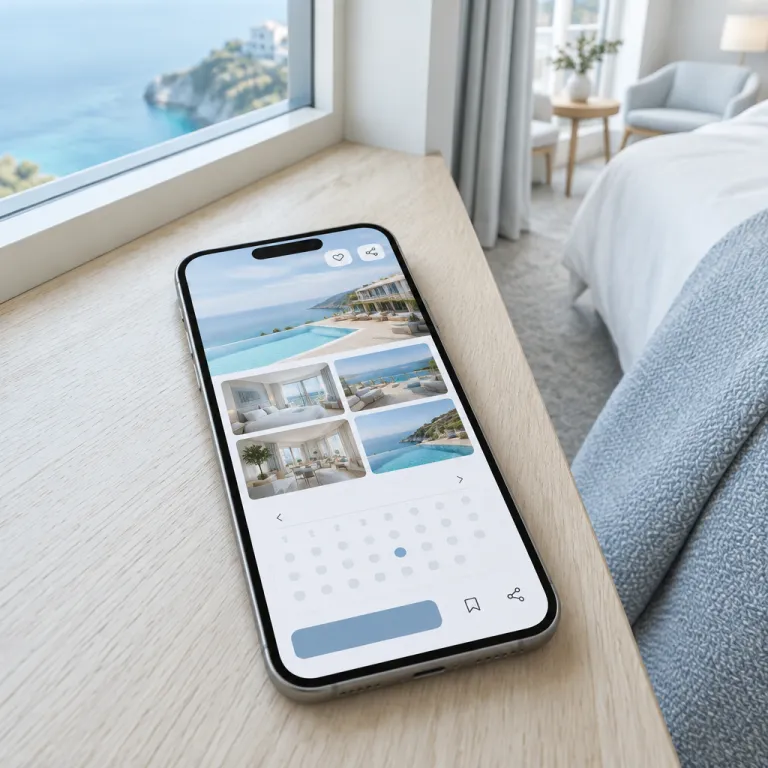
From inspiration feed to hotel social storefront
TikTok travel marketing has shifted from passive inspiration to active commerce. As TikTok travel evolves into a transactional layer, every travel video can now sit one tap away from a room category, a rate and a confirmed trip. For hotel brands, that means social media is no longer just a top-of-funnel awareness channel but a fully fledged storefront where travel marketing must be architected as carefully as the booking engine.
On TikTok, travel content already drives high intent because travelers use the platform as a visual search engine for tourism experiences. When TikTok users watch destination videos, they are not only dreaming about a future trip; they are often in live trip planning mode, comparing hotels, neighborhoods and hidden gems in real time. This is why the tourism industry is treating TikTok travel marketing as a core performance channel rather than a side experiment in social media branding.
For hospitality leaders, the question is how to turn that intent into direct bookings instead of defaulting to OTA commissions. Social storefronts on any media platform must connect inspiring TikTok content with a frictionless path to book that keeps the traveler inside the hotel’s ecosystem. Done well, this approach lets travel brands use TikTok marketing to drive bookings while still owning guest data, pricing strategy and long term traveler relationships.
What a hotel social storefront is now
A social storefront for hotels is a structured set of shoppable videos, creator posts and link flows that replicate the logic of a booking engine inside a social platform. On TikTok, that storefront can live across the brand account, travel influencers’ feeds and paid placements, all pointing to a curated grid of rooms, packages and experiences. The goal is to turn every high performing travel video into a persistent, bookable asset that serves the target audience long after the initial campaign.
Compared with a year ago, the same TikTok travel clip is no longer just a brand impression; it can be a direct revenue driver. As in-app tourism marketing tools mature, the distance between a traveler saving a video and confirming a trip has collapsed to a few taps. That compression of the journey is exactly why marketing TikTok strategies must now be built with booking attribution, not only engagement, as the primary KPI.
For B2B content creators and agencies, this redefines what “performance” means in travel tourism campaigns. A creator who understands how to structure TikTok content for search engine style discovery, save behavior and click through to a social storefront will outperform a larger account that only chases views. Hotels that align their business goals with these mechanics can use TikTok travel marketing to reach potential guests at scale while still steering them toward direct bookings.
Creator commerce mechanics and the new booking journey
The launch of TikTok GO in the United States in 2024 made the commerce layer of TikTok travel marketing explicit. TikTok GO connects travel content directly to bookings through partners such as Booking.com, Expedia, Viator, GetYourGuide, Tiqets and Trip.com, turning a single video into a complete trip funnel. For hotel marketers, that means every TikTok travel post can now embed a booking path that competes with traditional metasearch and OTA flows.
Under this model, creators and travel influencers earn commissions when their TikTok content drives bookings through these integrated partners. The platform tracks which TikTok users clicked from a specific travel video to a partner offer, then attributes tourism marketing revenue back to the creator and campaign. This is creator led commerce in practice, where the traveler’s experiences are shaped by the voice they trust and the media platforms quietly handle the transaction rails.
However, the current integration means that much of the initial booking volume from TikTok travel marketing will route through OTAs rather than hotel direct channels. For hotel brands, that creates a margin and data tension; the social storefront sits on a platform they do not own, and the booking engine often belongs to a third party. To stay competitive, hotels must design parallel paths where TikTok marketing campaigns can both leverage TikTok GO scale and still nudge the traveler toward direct options when appropriate.
Reels, short form video and cross platform storefronts
Instagram Reels, YouTube Shorts and TikTok videos now form a unified short form ecosystem for travel marketing. A traveler might see a destination teaser on Reels, then search for deeper TikTok travel clips before finally clicking a TikTok GO offer. For hotels, the social storefront strategy must therefore span multiple media platforms while keeping a consistent path to book.
On Instagram, shoppable Reels and structured link in bio funnels can mirror the logic of TikTok travel marketing. A hotel can feature room tours, spa experiences and restaurant previews in vertical video, each tagged to a specific landing page that continues the story and moves the traveler closer to a confirmed trip. For a detailed breakdown of how this works in practice, the analysis on Instagram Reels for hotel discovery offers a useful benchmark for format, frequency and creator profiles that actually drive saves.
When hotels align their TikTok content and Reels strategies, they create a cross platform social storefront that follows the traveler from inspiration to booking. The same hidden gems, local experiences and signature suites can be showcased in slightly different edits tailored to each platform’s algorithm. This integrated approach lets travel brands reach potential guests wherever they scroll while maintaining a coherent, measurable booking journey.
Direct booking tension, data ownership and hotel margin
As TikTok GO and similar tools mature, the core strategic question for hotels is simple. Who owns the traveler relationship when a TikTok travel video sends the user to an OTA powered checkout instead of the hotel’s own booking engine? For a sector that has spent years fighting for direct bookings, TikTok travel marketing can either be a new dependency or a new lever.
Right now, most in-app travel tourism flows on TikTok route through partners such as Booking.com and Expedia, which means the tourism industry’s existing commission structure follows the traveler into social commerce. Hotels gain incremental reach and new bookings, but they often lose first party data and pay higher acquisition costs. This is why every TikTok marketing plan should include a clear framework for when to lean into OTA powered social storefronts and when to prioritize direct paths.
One practical approach is to treat TikTok GO as a high intent discovery and testing environment while building parallel direct funnels for repeat travelers and loyalty segments. A traveler might first book a trip through an OTA integration after watching compelling TikTok content about a destination like the Palm Beaches. Once on property, the hotel can use CRM tools, Wi Fi capture and post stay social media engagement to shift that traveler into a direct relationship for the next trip.
Attribution, APIs and the role of CRS and PMS providers
To make this work, hotels need tight integrations between their CRS or PMS, their booking engine and their social storefront analytics. CRS and PMS providers must expose real time API connections for rates, availability and inventory so that social media offers always match the hotel’s live data. Without this, TikTok travel marketing campaigns risk promoting outdated prices or sold out dates, which damages trust with both travelers and creators.
Measurement is equally critical; a social storefront click must be traceable through to a confirmed stay in the hotel’s systems. That means using UTM parameters, deep links and pixel based tracking that can attribute each booking to a specific TikTok travel video, creator or campaign. For a detailed look at early performance, the report on what early TikTok GO data reveals about hotel direct bookings is essential reading for any hotel business leader evaluating this channel.
Hotels that invest in this attribution layer can negotiate better terms with travel influencers and agencies because they can prove exactly which TikTok users converted. They can also refine their TikTok travel marketing strategy by doubling down on the content formats, destinations and experiences that consistently drive bookings. Over time, this data driven approach turns social media from a brand expense into a measurable revenue engine.
Designing owned social storefront assets for hotels
Owning the social storefront does not mean owning the platform. It means owning the architecture that connects TikTok content, creator videos and landing pages into a coherent booking journey that favors hotel direct channels. For hotel tech and innovation leaders, this is a product design challenge as much as a marketing brief.
Start with the core building blocks that sit under your TikTok travel marketing activity. A mobile optimized booking engine with fast load times, clear room photography and transparent pricing is non negotiable if you want TikTok users to complete a trip on your site. Then layer structured link in bio experiences, curated destination hubs and shoppable video galleries that mirror the logic of your best performing travel tourism clips.
Each social storefront module should map to a specific traveler intent. A “weekend escape” collection might group together spa packages, late checkout offers and local experiences that appeal to couples planning a short trip. A “work from anywhere” hub could highlight long stay rates, co working spaces and business amenities, turning TikTok travel marketing into a pipeline for extended stay bookings.
From UGC to always on commerce assets
User generated content and creator collaborations are the raw material of a high performing social storefront. Instead of letting a viral TikTok travel video fade after a week, hotels should negotiate rights to feature that content in always on galleries on their own domains. These galleries can function as a visual search engine for the property, where travelers filter by experiences such as rooftop pools, beach access or culinary highlights.
For example, a resort in the Palm Beaches might curate a grid of TikTok content that showcases sunrise yoga, waterfront dining and nearby hidden gems that only locals know. Each video tile would click through to a landing page with clear calls to action, live availability and a short path to book. Over time, this library of social proof becomes a compounding asset that supports both organic reach and paid social media campaigns.
Hotels should also align their TikTok travel marketing with email, SMS and loyalty channels so that every new traveler captured through social media can be nurtured into a repeat guest. When a traveler saves a video, clicks through the social storefront and then abandons the booking, retargeting flows can bring them back with tailored offers. This is where the line between marketing TikTok activity and broader CRM strategy effectively disappears.
Playbooks for independents versus multi brand hotel groups
An independent boutique hotel and a global multi brand group will not build the same TikTok travel marketing stack. Their budgets, tech resources and risk tolerance differ, but both can design effective social storefronts that respect their constraints. The key is to match ambition with operational reality rather than copying a competitor’s playbook.
For independents, the priority should be focus and depth rather than channel sprawl. Choose one or two core media platforms, usually TikTok and Instagram, and build a tight loop between TikTok content, a high converting landing page and a simple booking flow. Partner with a small group of travel influencers whose audiences match your target traveler segments, then structure clear commission deals based on attributable bookings rather than vanity metrics.
Multi brand groups, by contrast, can justify investing in centralized social commerce infrastructure that serves dozens of properties. They can build shared TikTok travel studios, creator programs and analytics teams that support local marketing managers with templates, best practices and data. In this context, TikTok travel marketing becomes a portfolio level lever for shifting share away from OTAs and toward direct channels across multiple destinations.
Governance, benchmarks and cross market learning
Regardless of size, every hotel business needs governance around creator partnerships and social storefront operations. Clear guidelines on content rights, disclosure, rate parity and data usage protect both the brand and the traveler. They also give agencies and platforms a stable framework for scaling tourism marketing campaigns without constant renegotiation.
Benchmarks matter as well; social commerce in hospitality is now a multi trillion dollar market globally, and hotel content on TikTok already sees engagement rates above seven percent in some datasets. Conversion rates for in app hotel booking flows are also climbing into low single digits, which is competitive with many traditional performance channels. To stay informed on these shifts, resources such as Influence for Travel’s analysis of influencer marketing statistics and key insights for hospitality can help teams benchmark their own TikTok travel marketing performance.
As one industry explainer puts it, “What is social storefront for hotels? A booking interface in a social app selling stays directly” and “Why use it? Reduces friction, lowers commissions, retains guest data” and “What technical needs exist? CRS/PMS with open API, real-time rates, mobile checkout engine”. For hotel tech leaders, that quote is less a definition than a roadmap for the next build cycle. The hotels that execute on it now will be the ones whose social storefronts quietly turn viral videos into profitable, data rich bookings.
FAQ
How is a hotel social storefront different from a traditional booking engine?
A hotel social storefront lives inside social media environments such as TikTok and Instagram, while a traditional booking engine usually sits only on the hotel website. The storefront wraps booking functionality around short form video, creator content and UGC that travelers already consume during trip planning. The booking engine still processes the transaction, but the discovery and decision making happen directly within the social platform.
Can hotels drive direct bookings if TikTok GO routes through OTAs?
Yes, but it requires a dual strategy that uses TikTok GO for incremental reach while building parallel direct funnels. Hotels can capture first party data during or after OTA stays, then retarget those travelers with direct offers through email, SMS and social media. Over time, this shifts repeat bookings away from OTA powered flows and toward the hotel’s own channels.
What technical integrations are essential for TikTok travel marketing?
The most important integrations connect the hotel’s CRS or PMS, booking engine and analytics stack to social media campaigns. Real time API access for rates and availability ensures that offers in TikTok content remain accurate and bookable. Tracking tools such as pixels, UTM parameters and deep links then attribute each booking back to specific videos, creators and campaigns.
How should independent hotels work with travel influencers on TikTok?
Independent hotels should prioritize a small number of creators whose audiences match their ideal traveler profiles. Contracts should define content rights, disclosure standards and commission structures based on attributable bookings rather than only views or likes. Clear briefs that outline key experiences, destination angles and desired calls to action help creators produce TikTok content that both inspires and converts.
What metrics matter most when evaluating TikTok travel campaigns?
Beyond views and engagement, hotels should track click through rate from TikTok videos to their social storefront, conversion rate to bookings and effective cost per acquisition. Save and share rates are also strong indicators of future demand because they show that travelers plan to revisit the content during trip planning. When these metrics are tied back to revenue in the CRS or PMS, TikTok travel marketing can be evaluated alongside other performance channels with comparable rigor.