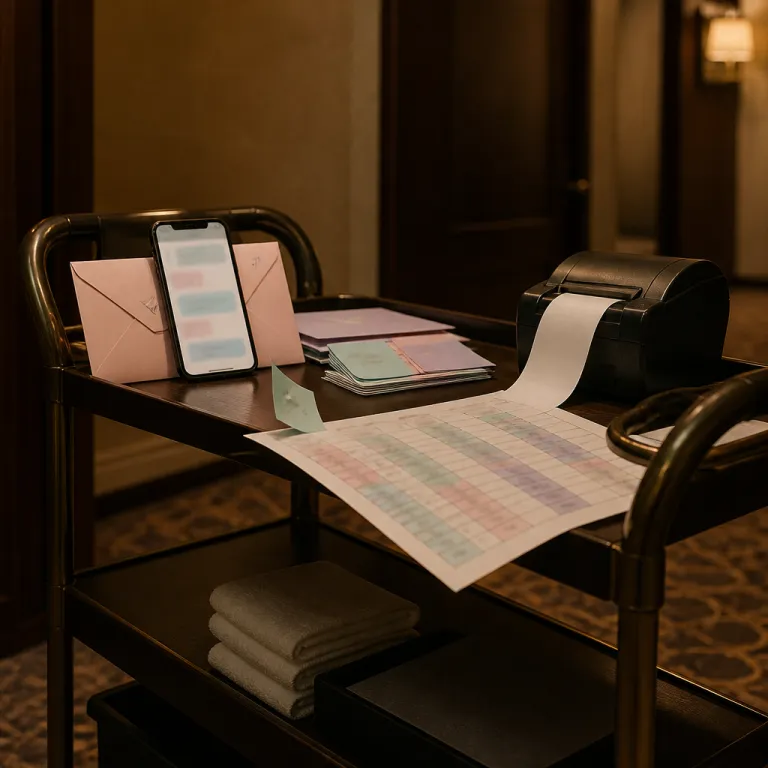
Why Instagram DM outreach needs enterprise level tracking in hospitality
Instagram DM outreach has become the backstage of hospitality influence, where room upgrades, hosted stays and B2B collaborations quietly begin. For hotel brands and travel créateurs, a structured Instagram DM outreach tracking system in Google Sheets transforms that backstage chaos into a measurable sales pipeline. When you treat each direct message as a potential lead rather than a casual social ping, your media management finally aligns with serious business objectives.
In luxury and lifestyle hospitality, a single well handled DM can move tens of thousands of euros in long term bookings, yet most équipes still rely on scattered screenshots and manual notes. A standardized spreadsheet in Google Sheets gives social media managers, digital marketing agencies and freelancers one shared template where they can keep track of every cold outreach, warm reply and negotiated rate in real time. This template based approach turns what used to be unlogged social activity into auditable lead generation data that can be reported to revenue, sales and customer service leaders.
Industry reports from social media management platforms such as Sprout Social and Hootsuite suggest that Instagram DM response rates for outreach campaigns often sit in the low double digits. For example, Sprout Social’s 2023 benchmarks for social customer care report that many brands see reply rates below 25 % for unsolicited messages, while Hootsuite’s social trends analyses highlight that most outreach requires multiple touchpoints before a response. In practice, this means that a majority of messages never convert without disciplined follow up. A dedicated DM and email tracking workflow in Google Sheets lets you tag each email or DM touchpoint, schedule the next cold emails or cold emailing attempts and measure which content formats actually trigger replies. When your équipe can view this data in a single spreadsheet, you save time, reduce cold email duplication and build a repeatable marketing strategy instead of improvising every week.
Designing a Google Sheets template that reflects real hospitality workflows
A powerful Instagram outreach tracker in Google Sheets mirrors how hotel collaborations really unfold, from first contact to final report. Start by defining columns such as: Creator handle, Hotel or destination, Outreach date, Channel (DM / email), Offer type, Expected media value, Compensation model, and Current stage in the sales pipeline. This simple structure will help your social media and communications équipe see at a glance where each lead stands and which cold outreach needs attention today.
To make this more concrete, imagine a sample row in your outreach tab:
- Creator handle: @cityescape.stories
- Hotel or destination: Maison Lumière Paris
- Outreach date: 2026-03-12
- Channel (DM / email): Instagram DM
- Offer type: 2-night hosted stay
- Expected media value: €3,500
- Compensation model: Hosted stay + content usage rights
- Current stage in the sales pipeline: Negotiation
For B2B content créateurs and travel influenceurs, adding fields for room category, nights offered, F&B inclusions, content deliverables and usage rights keeps the work transparent on both sides. Agencies can then use filters in Google Sheets to view only pending approvals, overdue replies or high value templates where a message will be reused for similar campaigns across different properties. When you connect this tracking sheet to automation platforms, you can log new DMs in real time and save time on manual data entry, freeing your équipe to focus on creative content rather than repetitive admin.
Hotel brands that already invest in Instagram Reels often pair this tracking system with a dedicated playbook for Reels formats that drive saves and discovery. In that scenario, the outreach spreadsheet includes columns for Reel performance, such as saves, shares, profile visits and link clicks, so that marketing leaders can link each collaboration to measurable social media outcomes. Over time, this data will help refine your strategy, showing which creators, room types and stay lengths generate the strongest mix of reach, qualified leads and direct sales.
From cold outreach to warm hospitality relationships on Instagram and TikTok
Cold outreach on Instagram or TikTok can feel transactional, yet hospitality thrives on warmth, context and service. The right DM and email tracking framework in Google Sheets lets you plan cold emails and DMs that still sound human, because you have the full view of past stays, previous emails and any customer service issues already logged. When your équipe sees this history in one spreadsheet, they can tailor each email or DM to the guest experience rather than sending generic cold emails.
For travel influenceurs, a structured sheets template also clarifies which hotels align with your audience, rate card and content style before you send a single cold email. You can tag each lead by region, average daily rate, sustainability positioning and social media tone, then use filters to build a focused list for your next cold emailing wave. This template based segmentation will help you avoid spamming properties that are not a fit, protect your personal brand and save time while still feeding a healthy sales pipeline of qualified hospitality partners.
Agencies managing multiple hotel portfolios can go further by adding sentiment notes, such as “prefers TikTok first” or “needs detailed performance report after each stay”, directly into the outreach tracker. Linking to creative guidelines, caption frameworks and even resources like caption strategies that turn stays into social capital ensures that every outreach is backed by a clear content plan. Over the long term, this level of organization turns cold outreach into a curated network of recurring partners who trust your process and respect your media management discipline.
Aligning social media, sales and customer service around one outreach system
In many hotel groups, social media, sales and customer service still operate in silos, which leads to missed opportunities and inconsistent guest experiences. A shared Instagram DM and email tracking document in Google Sheets becomes the neutral ground where all three équipes can keep track of creator conversations, hosted stays and post stay feedback. When a DM shifts from a simple content question to a potential group booking or corporate retreat, the sales team can step in quickly because the lead is already visible in the sales pipeline tab.
Customer service benefits as well, since the same sheets template can log any service recovery gestures promised to a creator or high value guest during their stay. If a cold outreach eventually leads to a collaboration and the guest reports an issue on social media, your équipe can view the full history in real time and respond with context rather than scripted replies. This integrated view will help protect brand reputation, especially when a single negative story can spread across multiple media platforms within hours.
For agencies and freelancers running SMMA style services for several hotels, one master spreadsheet with separate tabs per client keeps operations scalable without losing nuance. Each tab can include a section for cold emails sent, DMs answered, content delivered and final report links, so that monthly business reviews rely on concrete data instead of anecdotal impressions. Over time, this centralized outreach tracking system becomes a living archive of what works, which templates convert and how social media collaborations translate into measurable revenue.
Automation, analytics and the shift to template based outreach
Manual tracking of hundreds of Instagram and TikTok conversations is not sustainable for growing hospitality brands. Automation platforms connected to your Google Sheets outreach log can capture new DMs, update statuses and even trigger reminder emails without constant human intervention. Case studies shared by workflow automation providers and boutique agencies commonly report time savings in the range of one working day per week once repetitive logging and follow up reminders are automated. While exact figures vary by team size and campaign volume, the pattern is consistent: automation frees meaningful hours that can be reinvested in creative strategy and on property content production.
When automation feeds your Google Sheets with clean données, analytics suddenly become reliable enough to guide serious marketing decisions. You can report on response rates by property, average time to reply, conversion from cold outreach to confirmed stay and even post stay sales uplift, all from the same spreadsheet template. This level of insight will help you refine your cold emailing cadence, adjust your media management staffing and decide where to allocate budget between creators, paid social and owned content.
As one expert explanation puts it, “A tool to monitor and manage direct message outreach efforts.” and “By providing a structured format to log and analyze outreach data.” and “Yes, platforms like n8n offer automation workflows for this purpose.”. These statements capture why a disciplined DM tracking setup in Google Sheets is now a core part of professional hospitality influence work rather than a nice to have. When you pair automation with thoughtful templates, you reduce cold email fatigue, protect your équipe from burnout and build a long term system that scales gracefully as your portfolio grows.
From spreadsheet template to strategic asset for hospitality influence
Once your outreach tracking file in Google Sheets is stable, the next step is to treat it as a strategic asset rather than a simple log. Over several months, patterns emerge about which room types, stay lengths and content formats generate the strongest mix of reach, engagement and direct sales. This historical view will help you refine your marketing strategy, negotiate smarter with créateurs and allocate hosted stays where they deliver the highest ROI.
For example, you might see that boutique properties under 80 rooms in coastal cities respond better to personalized cold emails, while large resorts prefer formal proposals sent via email after an initial DM. You may also notice that certain templates for outreach messages, when adapted to local language and seasonality, consistently outperform others in terms of lead generation and final bookings. By tagging these winning templates inside your sheets template, you create a living playbook that new team members can download, adapt and deploy without starting from zero.
Brands and agencies working across multiple regions can also use this data to benchmark performance and set realistic KPIs for new openings or repositioned hotels. Linking your outreach tracking to broader hospitality influence insights, such as those shared in analyses of influencer marketing statistics for travel and hospitality, strengthens your internal business cases for investment in social media collaborations. Over the long term, a disciplined DM and email tracking system in Google Sheets becomes the quiet backbone of your influence programme, turning scattered DMs into a structured, revenue aligned channel.
Practical implementation roadmap for créateurs, agencies and hotel brands
Implementing an Instagram DM outreach tracking system does not require a full technology overhaul, but it does demand clarity of roles. Start by assigning ownership to a specific social media manager or agency partner who will keep track of data quality, naming conventions and access rights. Then, define a simple workflow from first cold outreach to final report, including when to loop in sales, revenue management or customer service.
Next, build or adapt a spreadsheet template with clearly labeled tabs for Outreach, Active negotiations, Confirmed stays and Completed collaborations. Include fields for contact details, preferred email, social media handles, content deliverables, deadlines and any special service notes that will help on property équipes deliver a seamless experience. Once the structure is in place, train your team on how to log every cold email, DM and follow up in real time, emphasizing that consistency will save time and reduce confusion later.
Finally, schedule a recurring monthly review where marketing, sales and operations briefly view the data together and align on priorities. Use this session to refine templates, adjust your cold emailing cadence and decide which collaborations to pursue for long term partnerships rather than one off posts. Over a few cycles, the outreach tracking process will feel less like extra work and more like an essential part of how your hospitality brand, agency or creator business manages influence at scale.
Key figures and performance benchmarks for Instagram DM outreach in hospitality
- Publicly available benchmarks from social media management platforms indicate that Instagram DM response rates for outreach campaigns often remain below 25 %, which means structured follow up is essential to avoid losing a large share of potential leads.
- Case studies from workflow automation providers and boutique agencies frequently describe saving close to one working day per week once DM logging and reminders are automated, freeing capacity for higher value creative and strategic work.
- Hospitality brands that centralize outreach data in a single spreadsheet template typically see faster response times, because real time visibility reduces internal handoffs between marketing, sales and customer service équipes.
- Tracking each collaboration from first cold outreach to final report in a shared sheets template improves attribution, allowing teams to link specific creator stays to measurable sales uplift and repeat bookings.
- As automation and AI tools become more common in outreach workflows, hospitality actors who invest early in disciplined DM and email tracking systems in Google Sheets gain a structural advantage in negotiating and scaling partnerships.
FAQ about Instagram DM outreach tracking for hospitality influence
What is an Instagram DM outreach tracking template for hospitality ?
An Instagram DM outreach tracking template for hospitality is a structured Google Sheets or spreadsheet file used to log every creator or partner conversation from first contact to completed collaboration. It typically includes fields for social media handles, property names, outreach dates, content deliverables, compensation and current status in the sales pipeline. This structure allows hotel brands, agencies and créateurs to keep track of cold outreach, responses and results in one place.
How can Google Sheets help manage large volumes of creator DMs ?
Google Sheets helps manage large volumes of creator DMs by providing a central, cloud based template that multiple team members can edit in real time. Social media managers can log each DM, tag its priority and assign follow up tasks, while sales or customer service can view the same données without needing separate tools. Filters, conditional formatting and simple formulas then make it easy to report on outreach performance and identify which leads need attention.
Are there automation tools that connect Instagram DMs to Google Sheets ?
Yes, several automation platforms can connect Instagram DMs to a Google Sheets spreadsheet template, logging new messages or status changes automatically. These tools reduce manual data entry, save time and improve data accuracy, especially for agencies or SMMA style businesses handling multiple hotel accounts. By feeding clean data into your outreach tracking file, automation supports more reliable analytics and better decision making.
Why should hospitality brands track cold outreach instead of relying on inbox search ?
Hospitality brands should track cold outreach in a dedicated sheets template because inbox search does not show pipeline health, response rates or long term patterns. A structured DM and email tracking system in Google Sheets reveals which message templates convert, which creators drive bookings and where follow ups are overdue. This visibility will help teams prioritize high value leads, coordinate across departments and justify investment in social media collaborations with clear business results.
What metrics matter most when reporting on Instagram DM outreach performance ?
The most useful metrics for Instagram DM outreach performance in hospitality include response rate, time to first reply, conversion from outreach to confirmed stay, content delivery rate and post stay revenue impact. Tracking these KPIs in a Google Sheets template allows teams to compare properties, creators and message styles over time. With this data, brands and agencies can refine their cold emailing and DM strategies, focusing on the approaches that consistently generate qualified leads and measurable sales.