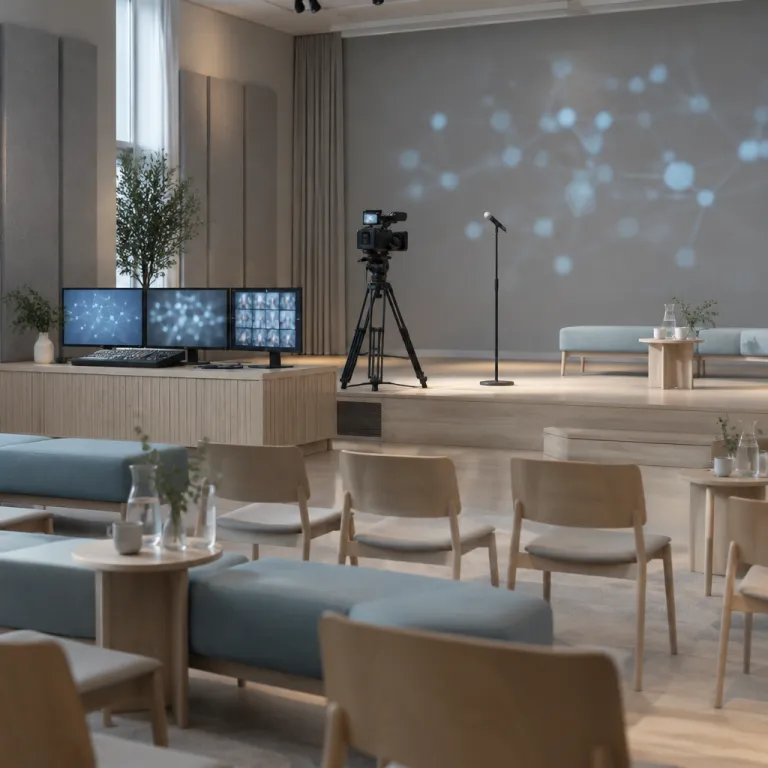
Virtual event marketing for hospitality influence and brand visibility
Designing virtual event marketing for hospitality brand visibility
Virtual event marketing in hospitality starts with a clear promise. A hotel group or destination must design a virtual showcase that translates its on-property experiences into compelling online hospitality experiences for a global audience. When this promise is precise, every element of the virtual event plan aligns with a measurable marketing strategy and a defined business outcome.
For B2B content creators and travel influencers, the first task is to define the target audience in detail. A virtual event aimed at corporate travel planners needs different content, event sessions, and engagement tactics than online events for leisure guests who follow lifestyle social media channels. This sharper definition of the target audience allows your marketing efforts to focus on the right attendees, rather than chasing vanity metrics that do not support event success.
Hospitality brands should treat each online event as a flagship media product. That means planning virtual events with the same rigor as large in person events, including a full digital marketing calendar and clear marketing strategies for each phase. When you frame a virtual event as premium content, you naturally invest more in creative storytelling, social amplification, and post event follow up.
In practice, an effective strategy blends email marketing, social media storytelling, and paid digital marketing to promote virtual hospitality experiences. A hotel chain might create a series of virtual tastings, chef led masterclasses, and behind the scenes tours that run as connected online events over several weeks. Marriott International, for instance, reported that a series of virtual culinary events for Bonvoy members generated a registration to attendance conversion rate above 60% and lifted post event booking intent by double digits, illustrating how a coherent series can reinforce brand positioning in the travel industry.
To keep campaigns coherent, define one primary KPI for event success, such as qualified B2B leads or media reach. Every piece of content, from teaser videos to email subject lines, should support that single KPI while still serving the needs of attendees. This disciplined approach to virtual event marketing helps both brands and creators justify budgets and refine future marketing tactics based on concrete performance data.
Aligning creators and brands around a shared virtual event strategy
When hospitality brands and travel influencers align on a shared virtual event strategy, amplification becomes organic. The most effective collaborations start with a joint workshop where the brand, agency, and créateurs de contenu B2B map the target audience and agree on the core event experiences. This co creation phase ensures that marketing tactics feel authentic on each creator’s social media channels while still serving the brand’s event marketing objectives.
For example, a resort group planning hybrid events for travel advisors can invite selected influencers to co host online event segments. These co hosts can lead specific event sessions, such as live Q&A with revenue managers or virtual experiences in suites, while streaming simultaneously to their own social media communities. This structure multiplies reach for the virtual event and turns attendees into active participants instead of passive viewers.
Campaign design should also consider cultural and geographical nuances when targeting worldwide audiences. A virtual event for European meeting planners will require different content pacing, language choices, and email marketing timing than online events aimed at Asia Pacific incentive agencies. By segmenting the target audience and adapting marketing strategies, hospitality brands respect local expectations while keeping a unified global narrative.
Social amplification benefits from clear creative territories assigned to each partner. One influencer might focus on behind the scenes content, another on educational event sessions, and a B2B creator on data driven insights about the meetings and events industry. This division of roles avoids repetitive content and gives attendees multiple entry points into the same virtual events ecosystem.
Hospitality marketers can also extend community reach by using ambassador activation moments around key tourism dates. A strong example of this approach is detailed in this analysis of World Tourism Day as an ambassador activation moment, where online events and social media formats are orchestrated to sustain engagement. Translating such formats into virtual event marketing allows brands to maintain continuity between live campaigns and digital marketing initiatives.
Crafting hospitality specific content journeys for online attendees
In hospitality, content for virtual events must mirror the emotional arc of a real stay. Attendees should feel guided from arrival to departure, even though the event is fully online and mediated through screens. This requires a carefully structured sequence of event sessions that balance inspiration, information, and interaction.
Start by mapping a content journey that follows the guest experience, from dreaming to booking and then to loyalty. A virtual event for corporate hospitality buyers might open with a high impact destination film, move into short online event briefings on meeting spaces, and end with intimate breakout rooms hosted by sales managers. Each step in this journey should be supported by tailored email marketing and social media reminders that keep the audience oriented and engaged.
For créateurs de contenu B2B, the challenge is to translate complex industry information into accessible virtual experiences. One effective tactic is to pair data rich presentations with live commentary from influencers who know the meetings and events industry from the field. This combination of expert insight and relatable storytelling helps attendees retain key messages and increases event success for the brand.
Hybrid events add another layer of complexity, because online attendees must feel as valued as those on site. Creators can host exclusive digital only event sessions, such as backstage interviews or room tours, that are available only to the virtual audience. These online events give remote participants a sense of privilege and encourage them to share content across social media, amplifying the event virtual footprint.
For B2B travel startups and agencies, influence driven campaigns can be structured around such content journeys. A detailed framework for this approach is explored in this guide on designing influence driven campaigns for corporate hospitality, which can be adapted to virtual event marketing. By integrating these principles, marketing strategies become more coherent, and marketing efforts translate into measurable leads and long term relationships.
Leveraging social media and email to promote virtual hospitality events
Promotion is where many hospitality virtual events either scale or stall. To promote virtual campaigns effectively, brands and creators must orchestrate social media and email marketing as a single system rather than separate channels. This orchestration ensures that every online touchpoint nudges the audience closer to registration and active engagement.
On social media, short form video and live formats work particularly well for event marketing in travel. Influencers can create teaser clips from previous virtual experiences, highlight upcoming event sessions, and host countdown lives that answer questions from potential attendees. These social interactions not only drive traffic to registration pages but also pre qualify the target audience by clarifying who the virtual event is designed for.
Email remains a powerful tool in digital marketing for hospitality, especially for B2B segments. A well structured email marketing sequence might include a save the date, a detailed agenda with event sessions, speaker spotlights, and a final reminder with clear value propositions. Each email should segment recipients by interest, such as meetings, leisure, or luxury, so that content feels tailored and increases engagement.
To maximize event success, align posting calendars with key booking windows and industry milestones. For instance, promoting online events for meeting planners just before budget planning cycles can significantly improve registration rates. Coordinated marketing tactics across email, social media, and paid digital marketing ensure that the same strategic message reaches the audience through multiple, reinforcing channels.
Partnerships with payment, airline, or card brands can further extend reach and credibility. A notable illustration of such collaboration is presented in this case study on reinventing ambassador perks through sports tourism access, which shows how co branded experiences can energize marketing efforts. Translating similar partnership mechanics into virtual event marketing allows hospitality brands to tap into new communities and elevate perceived value for attendees.
Measuring event success and optimizing future virtual experiences
For hospitality marketers and agencies, measurement is where virtual event marketing proves its worth. Unlike many traditional events, online events generate detailed données about attendee behavior, content performance, and engagement peaks. These données allow brands, créateurs de contenu B2B, and platforms sociales to refine their marketing strategies with precision.
Key metrics for event success include registration to attendance conversion, average watch time per session, and post event actions such as brochure downloads or meeting requests. Tracking these indicators across multiple virtual events reveals which event sessions resonate most with the target audience and which marketing tactics drive the highest quality attendees. A benchmark from ON24’s 2023 Webinar Benchmarks Report, for example, shows average live attendance rates around 55% of registrants and average viewing times above 50 minutes for high performing B2B events, giving hospitality brands useful reference points when evaluating their own performance.
Post event analysis should also examine social media amplification and email performance. Measure how many attendees shared content, mentioned the virtual event, or engaged with highlight clips in the days following the online event. These signals indicate whether the virtual experiences created were memorable enough to inspire organic advocacy beyond the live broadcast.
Hybrid events require a dual lens, comparing on site and virtual engagement to ensure parity of value. If online attendees consistently drop off earlier than in person participants, creators may need to adjust pacing, add interactive polls, or create exclusive digital only segments. Such adjustments improve both the perceived quality of the event virtual format and the long term fidélité of remote audiences.
Finally, feed all insights back into the next marketing strategy cycle. Use what you learn about audience preferences to create more relevant content, refine email marketing sequences, and sharpen digital marketing investments. This continuous optimization loop is what turns isolated virtual events into a mature, scalable system for hospitality influence and brand amplification.
Designing immersive formats that translate hospitality into virtual experiences
Hospitality thrives on sensory detail, which can be challenging to convey in virtual experiences. To bridge this gap, creators and brands must design event sessions that stimulate imagination and invite participation rather than relying on static presentations. When attendees feel emotionally transported, even a purely online event can evoke the atmosphere of a signature property or destination.
One effective approach is to structure virtual events around themed journeys, such as wellness retreats, culinary weekends, or bleisure stays. Each segment of the virtual event can focus on one aspect of the stay, combining live demonstrations, pre recorded storytelling, and interactive Q&A. This format allows the audience to experience the narrative flow of a trip while still benefiting from the flexibility of online events.
For B2B segments, immersive does not mean superficial ; it means relevant and vivid. A corporate meetings showcase might include a live walkthrough of a ballroom setup, followed by a behind the scenes look at AV control rooms and sustainability practices. These detailed event sessions give attendees concrete information for decision making while still leveraging the emotional power of visual storytelling.
Creators should also experiment with multi platform formats that blend social media and dedicated event platforms. For example, a pre show warm up on Instagram Live can drive last minute registrations, while a LinkedIn recap can extend post event reach among professional audiences. This cross channel design ensures that marketing efforts continue to generate value long after the main event virtual broadcast ends.
As hospitality brands refine these immersive formats, they build a library of reusable content assets. Highlight reels, expert interviews, and attendee testimonials from virtual events can feed future digital marketing campaigns and nurture sequences. Over time, this content library becomes a strategic asset that supports both ongoing event marketing and broader brand storytelling in the travel industry.
Building long term influence ecosystems around virtual events
Single virtual events rarely change brand perception on their own. What truly shifts influence in the hospitality industry is a sustained ecosystem of virtual events, hybrid events, and online events that involve the same creators, agencies, and platforms sociales over time. This continuity allows audiences to build familiarity and trust with both the brand and its ambassadors.
To build such an ecosystem, start by defining clear roles for each partner in the influence chaîne de valeur. Travel influencers might focus on emotional storytelling, créateurs de contenu B2B on analytical breakdowns, and agencies on orchestrating marketing tactics and measurement. When each actor understands their contribution to event success, collaboration becomes smoother and more productive.
Virtual event marketing then becomes the backbone of a year round engagement calendar. Hospitality brands can schedule quarterly online events for key segments, such as corporate buyers, luxury travel advisors, or media, each supported by tailored email marketing and social media campaigns. These recurring touchpoints keep the brand top of mind and provide regular opportunities to present new products, renovations, or destination updates.
Post event communities are another critical component of this ecosystem. By hosting private groups or forums where attendees can continue conversations, share feedback, and access replays, brands extend the life of their virtual experiences. These spaces also generate qualitative données that complement quantitative metrics, helping refine future marketing strategies.
As this ecosystem matures, virtual events, hybrid events, and online events cease to be isolated projects and become a core pillar of hospitality digital marketing. The combination of consistent content, targeted marketing efforts, and collaborative influence partnerships positions brands for sustainable visibility in a crowded travel industry. Over time, this approach turns every event virtual initiative into a step toward stronger loyalty, higher rétention, and more resilient revenue streams.
Key figures shaping virtual event marketing in hospitality
- According to a report from Grand View Research, the global virtual events market was valued at more than 70 billion US dollars and is projected to grow at a double digit compound annual rate, which underscores why hospitality brands are investing heavily in virtual event marketing as a strategic channel.
- Data from EventMB indicates that a large majority of event professionals plan to maintain virtual or hybrid formats in their portfolios, showing that virtual events and hybrid events are now a permanent part of the meetings and events industry rather than a temporary solution.
- Research from HubSpot highlights that segmented email marketing campaigns can generate significantly higher open and click through rates than non segmented campaigns, which confirms the importance of precise target audience definition for promoting online events in hospitality.
- A survey by LinkedIn Marketing Solutions found that thought leadership content influences a high percentage of B2B decision makers when choosing suppliers, reinforcing the value of créateurs de contenu B2B in shaping event success for corporate hospitality showcases.
- Studies from Hootsuite and other social media analytics providers show that video posts typically achieve higher engagement rates than static images, which supports the use of rich media formats to promote virtual hospitality experiences and event sessions across social platforms.
FAQ about virtual event marketing for hospitality influence
How can hospitality brands choose the right format for a virtual event ?
Hospitality brands should start by clarifying the primary objective, whether it is lead generation, brand awareness, or loyalty. Once the goal is clear, they can decide between fully virtual events, hybrid events, or smaller online events based on budget, target audience location, and desired level of interaction. The chosen format should align with available content, internal équipe resources, and the expected durée of the campaign.
What role do travel influencers play in virtual event marketing ?
Travel influencers act as trusted intermediaries who translate brand messages into relatable stories for their communities. In virtual event marketing, they can host event sessions, share behind the scenes content, and drive registrations through social media and email newsletters. Their participation increases perceived authenticity and often improves engagement metrics among attendees.
How should B2B content creators adapt their style for online events ?
B2B content creators need to balance depth with clarity, using concise formats that respect limited attention spans. They should structure virtual experiences into short, focused segments, supported by visuals and concrete data relevant to the meetings and events industry. Interactive elements such as polls, Q&A, and live chat help maintain engagement and generate qualifiés leads for hospitality partners.
Which KPIs matter most when measuring virtual event success in hospitality ?
Key KPIs include registration numbers, attendance rates, average viewing time, and post event actions such as brochure downloads, meeting requests, or bookings. Social media mentions, shares, and sentiment also provide insight into how well the virtual event resonated with the audience. For B2B campaigns, pipeline value and conversion rates over the following months are critical to assess long term résultats and ROI.
How can agencies and platforms sociales support hospitality brands with virtual events ?
Agencies and platforms sociales can provide strategic guidance, creative production, and technical infrastructure for event virtual delivery. They help design marketing strategies, manage paid digital marketing, and coordinate social media amplification with influencers and créateurs de contenu B2B. Their expertise in data analysis and optimization ensures that marketing efforts are continuously refined for better performance across successive virtual events.