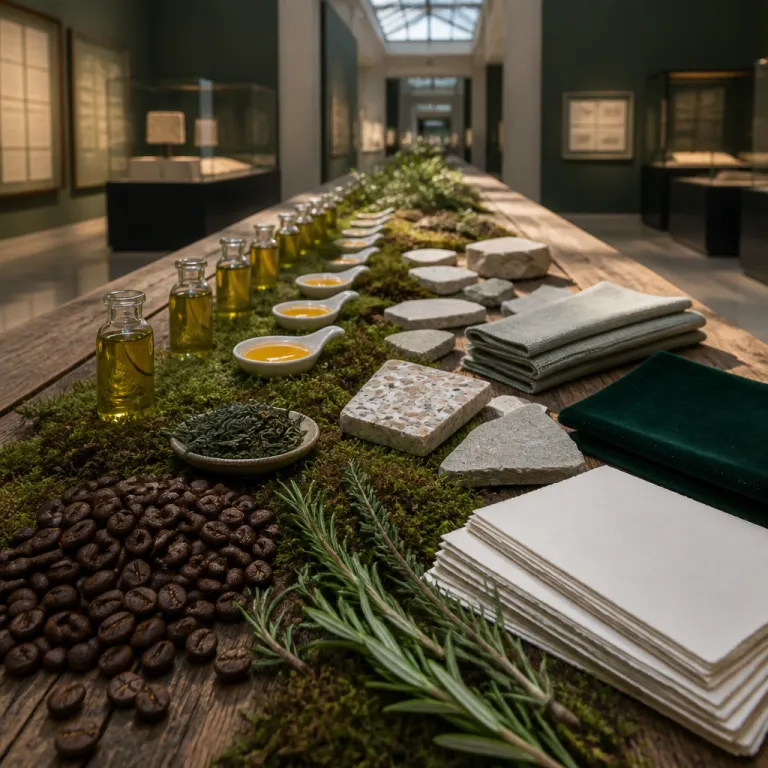
From hotel lobby to gallery space: why museum marketing matters to hospitality influence
Luxury hotels and resorts increasingly treat every lobby like a living museum of local art. When hospitality brands adopt rigorous museum marketing principles, they transform passive décor into active storytelling that attracts a wider audience of culture driven visitors. For B2B content creators and travel influencers, this shift will redefine how campaigns frame place, people, and brand value.
At the heart of this evolution sits a new alliance between the art museum world and hospitality marketing teams. Museums bring curatorial expertise, conservation standards, and deep knowledge of audiences, while hotels contribute digital reach, social media fluency, and agile marketing strategies that can scale quickly across regions. For agencies and platforms, this hybrid model will help create more resilient marketing campaigns that blend cultural credibility with performance driven digital marketing.
Consider a five star property partnering with a local museum in New York, such as The Metropolitan Museum of Art, to co host a summer exhibition in its lobby and rooftop bar. The hotel becomes an extension of the museum, while the museum gains access to high value visitors who might never cross its traditional threshold. In this context, museum marketing stops being a niche discipline and becomes a core marketing strategy for hospitality brands seeking deeper community roots and more meaningful social amplification.
Designing influence led campaigns with museum grade storytelling
Influence driven hospitality campaigns often focus on rooms, pools, and restaurants, yet museum marketing insists on narrative depth anchored in art, history, and place. When a hotel collaborates with an art museum, the marketing campaign can follow a curatorial storyline that guides visitors through both spaces, on site and across digital channels. This narrative structure gives travel influencers and B2B creators a richer content framework than simple room tours or breakfast shots.
To design such a campaign, start with a shared marketing plan between the hotel marketing manager, the museum marketing manager, and the social media coordinator on both sides. They define a clear target audience, such as culturally engaged travelers from the United States or Asia who value Asian art, sustainability, and local community impact, then align marketing communications, public relations, and digital marketing tactics around that profile. Agencies can then brief creators with a precise marketing strategy that links each piece of content to a chapter in the overall story, rather than to isolated posts.
A practical illustration comes from the long running partnership between the Victoria and Albert Museum and The Kensington hotel in London, where co branded packages combine overnight stays with timed exhibition access and curated walking routes. Publicly reported outcomes from similar museum–hotel collaborations, such as the Louvre Abu Dhabi’s work with nearby luxury properties, highlight measurable lifts in midweek occupancy, higher average daily rates during blockbuster shows, and increased social media engagement around co created hashtags. In such collaborations, museum marketing becomes the backbone of the marketing ideas, while hospitality provides the emotional setting that encourages audiences to share, comment, and extend the story across their own networks.
Translating curatorial rigor into social media and digital hospitality experiences
Museum professionals excel at curating objects, yet hospitality brands excel at curating experiences for visitors who move quickly and expect frictionless digital journeys. When both teams align, museum marketing can inform how hotels design social media series, room signage, and even in room television channels that highlight art and exhibitions. This approach turns every guest stay into a mini residency inside a living gallery, which will help increase both dwell time and shareable moments.
In New York, for instance, a hotel near a major museum could integrate virtual reality tours of current exhibitions into its lobby lounge, using the same innovation that many museums deploy to reach remote audiences. The marketing manager and social media coordinator would then build a digital marketing strategy that connects these VR experiences with Instagram Reels, TikTok series, and LinkedIn posts aimed at B2B audiences such as event planners and corporate travel managers. By treating each social media asset as a curated object, they preserve the integrity of the art while still meeting the performance KPIs of hospitality marketing campaigns.
For creators, this means planning content calendars that mirror exhibition timelines, from planning and installation to opening nights and community events. A travel influencer might film a three part series that follows a lost warrior sculpture from the museum storage room to a hotel atrium, then to a rooftop event where local people and international visitors interact with it. In such scenarios, museum marketing and hospitality brand marketing merge into a single marketing campaign that respects the art, engages the community, and delivers measurable results across multiple audiences.
Aligning brand marketing, public relations, and community building around museums
Hospitality brands that treat museums as strategic partners rather than occasional venues can unlock powerful synergies in brand marketing and public relations. A joint marketing plan between a hotel and a museum allows both institutions to speak with one voice about shared values such as education, sustainability, and local economic impact. This alignment will help agencies craft media pitches that feel coherent, credible, and newsworthy to journalists and B2B buyers alike.
In practice, this means integrating museum marketing into every layer of marketing communications, from press releases to influencer briefs and community newsletters. The public relations officer at the museum and the communications director at the hotel can co author stories about how their partnership increases access for school groups, supports local artists, and brings new visitors to the neighbourhood. When these narratives are amplified through social media, they reach not only potential guests but also residents, cultural institutions, and tourism boards that shape long term destination branding.
Community events become the physical anchor of this strategy, whether they are artist talks, outdoor screenings, or pop up exhibitions in hotel courtyards. A campaign themed around a lost warrior figure from Asian art, for example, could invite local families, corporate clients, and international visitors to co create digital interpretations of the character using tablets in the lobby. Such initiatives show how museum marketing, hospitality marketing strategies, and community engagement can reinforce one another, turning a single marketing campaign into a sustained relationship with multiple audiences.
Data driven museum marketing for hospitality: from visitors museum insights to influencer briefs
Robust museum marketing relies on precise data about visitors, and hospitality brands can benefit from the same discipline when designing influence led campaigns. Museums track metrics such as annual visitors, membership growth, and social media followers, which provide a detailed picture of who engages with which exhibitions and when. When hotels share their own CRM insights, both sides can build a unified view of the target audience that will guide marketing strategies and content choices.
Consider a museum in New York that welcomes around five hundred thousand people per year and has seen double digit membership growth, while its social media community has reached one hundred thousand followers. These figures, which are typical of mid sized institutions cited in American Alliance of Museums benchmarking studies and in individual museum annual reports, can be combined with hotel occupancy data and booking patterns from the United States and Asia to time campaigns around peak travel periods and major exhibitions. Influencer briefs can then specify not only the usual demographics but also preferred art genres, such as Asian art or contemporary installations, and typical behaviours, such as purchasing tickets online to avoid queues or visiting during weekdays for fewer crowds.
When creators understand these visitors museum insights, they can create content that aligns with real behaviours rather than assumptions. A B2B content creator might design a LinkedIn series about how museum marketing and hospitality marketing advertising can jointly rebuild visitor bases after a crisis, using concrete examples of virtual exhibitions and sustainability focused exhibits. In this context, the phrase "What are the museum's opening hours?" becomes more than a practical question; it becomes a prompt for creators to think about how digital content, social media formats, and marketing ideas can extend the museum experience beyond the traditional nine to seventeen schedule.
Luxury hospitality as a cultural amplifier: lessons from influence led museum collaborations
High end hospitality properties are uniquely positioned to act as cultural amplifiers for museums, especially in destinations where tourism and art ecosystems are tightly interwoven. When a beachfront resort or urban palace adopts museum marketing principles, it can frame its own architecture, design, and art collection as part of a broader cultural narrative. This positioning will help attract visitors who value depth and authenticity, not only amenities.
One instructive example comes from luxury hospitality projects that integrate curated art walks, artist in residence programmes, and co branded exhibitions with nearby museums. These initiatives often rely on sophisticated marketing strategies that blend digital storytelling, on site experiences, and targeted marketing advertising across premium media channels. A detailed case study of how a coastal property reshapes influence and social amplification in luxury hospitality can be found in this analysis of influence and social amplification in luxury hospitality, which shows how art, gastronomy, and community partnerships reinforce one another.
For creators and agencies, the key lesson is to treat every collaboration with museums as a long term cultural investment rather than a one off marketing campaign. A recurring series around a lost warrior motif, for instance, could evolve across seasons, moving from an art museum gallery to a hotel terrace, then into digital only experiences for remote audiences. When hospitality brands, museums, and platforms commit to such sustained storytelling, museum marketing becomes a strategic engine for brand visibility, audience growth, and meaningful social impact.
Key statistics for museum hospitality collaborations
- One major New York museum reports around 500 000 annual visitors, which gives hospitality partners a substantial potential audience for joint marketing campaigns, according to its latest annual report and visitor statistics.
- Membership growth of approximately 15 percent over a recent twelve month period indicates strong loyalty among museum audiences, making them attractive segments for hotel loyalty and co branded offers, as highlighted in museum membership programme summaries.
- Social media communities of around 100 000 followers for a single museum show how digital marketing and social media content can extend the reach of on site exhibitions far beyond local visitors, a trend reflected in public follower counts and communications reports.
- Hourly guided tours and daily opening hours from 9.00 to 17.00 create multiple touchpoints for hospitality brands to align check in times, shuttle services, and curated itineraries for guests.
- Student discounts of around 20 percent demonstrate how pricing strategies in museums can inspire tiered offers in hospitality, especially for younger travelers and B2B educational groups.
FAQ about museum marketing in hospitality influence campaigns
How can hotels and museums align their marketing strategies effectively?
Hotels and museums align their marketing strategies by creating a shared marketing plan that defines common objectives, target audiences, and key messages. Joint workshops between the marketing manager, social media coordinator, and public relations officer on both sides ensure that campaigns respect curatorial standards while meeting hospitality performance goals. This collaborative approach reduces duplicated efforts and strengthens brand consistency across all media channels.
What role do influencers play in museum hospitality collaborations?
Influencers act as interpreters between institutions and audiences, translating museum narratives into relatable hospitality experiences. Travel creators can show how a guest moves from a hotel room to an exhibition, then to a community event, weaving art, food, and local culture into a single story. When briefs are grounded in museum marketing data, influencers can produce content that attracts qualified visitors rather than generic clicks.
How should B2B content creators use museum data in their campaigns?
B2B content creators should request anonymised visitor data, membership trends, and social media analytics from museum partners to understand who engages with which exhibitions. These data points help refine messaging, choose the right platforms, and schedule posts around peak interest periods. By referencing concrete figures, creators increase the credibility and authority of their marketing communications.
What are best practices for integrating art museum experiences into hotel stays?
Best practices include offering timed entry tickets at check in, curating in room guides to nearby museums, and organising small group tours led by local experts. Hotels can also host temporary installations or talks in their public spaces, turning lobbies and bars into extensions of the museum. Clear wayfinding, multilingual content, and seamless digital booking options ensure that guests feel guided rather than overwhelmed.
How can agencies measure ROI from museum hospitality campaigns?
Agencies measure ROI by tracking joint KPIs such as incremental room nights linked to exhibition periods, ticket sales generated through hotel channels, and engagement rates on co branded social media content. CRM integrations between hotels and museums allow attribution of bookings and memberships to specific marketing campaigns. Over time, comparing these results with baseline performance shows whether museum marketing partnerships deliver sustainable value for both sides.
References
- American Alliance of Museums – research on museum audiences and economic impact.
- UNWTO – reports on cultural tourism trends and visitor behaviour.
- McKinsey & Company – analyses on digital marketing and personalization in travel and hospitality.