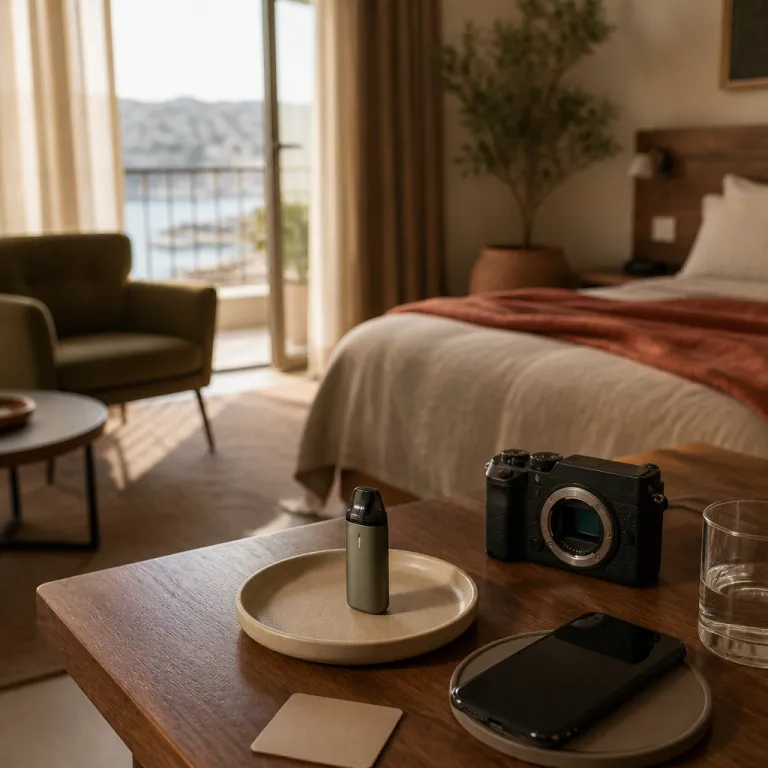
Framing the question: can you vape in hotel rooms as a storytelling trigger
Every travel creator eventually faces the same practical question: can you vape in hotel rooms without risking your stay or your reputation. For B2B content créateurs, travel influencers and hotel brands, that simple query becomes a powerful narrative entry point to explain how modern hotels treat vaping, smoking and guest behaviour. When you turn this tension into a story, you help audiences navigate real travel choices while reinforcing your authority on hospitality culture.
From a factual standpoint, most hotels now align vaping with traditional smoking in their hotel policies, especially in standard hotel rooms that are marketed as non smoking. Chains that once focused only on cigarette smoke now extend the same rules to any vape devices, because vapor still leaves residue, can trigger detectors and generates extra cleaning costs. Publicly available policies from groups such as Marriott and Hilton show that even if a guest believes that vaping allowed rules are more flexible than smoking rules, the hotel staff will usually treat vaping as a breach of a smoke free system. For example, several major chains explicitly state that smoking or vaping in non smoking rooms may result in a cleaning fee, which confirms that hotel rooms are rarely treated as vape friendly spaces.
For influence professionals, this reality shapes how you script content in hotel rooms and public areas. When you film or photograph a vape in a hotel room, you are not just showing lifestyle; you are implicitly commenting on hotel policies, cleaning standards and guest etiquette. The most credible creators acknowledge that hotels rarely allow vaping indoors, explain why vape detection technology is rising and show how to use designated smoking rooms or outdoor areas instead of glamorising risky behaviour. This approach turns the question can you vape in hotel rooms into a recurring narrative hook rather than a throwaway disclaimer.
Designing responsible narratives around vaping, hotel policies and guest expectations
Creators who work with hotel brands need a clear framework before they even ask can you vape in hotel rooms during a campaign. A professional storytelling approach starts with a detailed review of hotel policies, including how the property treats vaping smoking compared with traditional cigarettes. This review should cover whether the hotel has any smoking rooms, how it positions a potential vape friendly floor and what penalties apply if guests ignore the rules.
Industry data from hotel association surveys and chain level guidelines shows that a large majority of hotels now ban vaping in standard rooms, and many apply the same cleaning fees to vapor residue as they do to cigarette smoke. For instance, a recent report from a national hotel and lodging association summarised member feedback and estimated that close to 90 % of hotels operate as smoke free properties, with vaping included in the definition of smoking. One internal benchmark often cited in brand guidelines is that “Can I vape in hotel rooms?” is answered by “Most hotels prohibit vaping in rooms.” and “What are the penalties for vaping in hotels?” is answered by “Fines range from $200 to $500.” which gives creators a concrete reference when explaining risks to their audience. When you translate those numbers into euros and into real scenarios, you can show how a single hotel room violation can wipe out the perceived savings of choosing a cheaper property.
To make this more tangible, imagine a midscale urban hotel that charges 150 USD per night and applies a 300 USD cleaning fee when guests vape or smoke in non smoking rooms. The front desk team documents the incident, housekeeping performs deep cleaning and the room is removed from inventory for one night. In internal reports, the hotel notes that the combination of lost revenue and extra labour justifies the fee, and this case study becomes a training example for staff and a reference point for creators who want to explain why hotels treat vaping and smoking as similar operational risks.
For B2B storytelling, this is also an opportunity to talk about operational realities such as deep cleaning, staff workload and the impact of vape detection systems on guest relations. When you explain that cleaning a room with heavy vapor residue may require extra labour, ozone treatment and temporary removal from inventory, you help audiences understand why hotels charge cleaning fees. To integrate this nuance into your content strategy, you can frame a narrative about “behind the scenes of a vaping hotel policy” and link it to resources on turning guest shot content into bookable assets without encouraging behaviour that triggers smoke detectors.
Translating detection technology into compelling hospitality storytelling
Vape detection has become a quiet but decisive character in the story behind can you vape in hotel rooms. Many hotels now install advanced smoke detectors and dedicated vape detection devices that can identify vapor particles even when there is no visible smoke. For creators, ignoring this detection technology is not only factually wrong, it also undermines trust with an audience that expects accurate, experience based guidance.
When you film in hotel rooms, you can build a narrative arc around how the detection system works and why hotels invest in it. Instead of vague claims, you can reference manufacturer documentation and hotel case studies that answer “Do hotels have vape detectors?” with “Many hotels now use vape detectors.” and show that innovation in advanced vape detection systems is accelerating, especially in urban hotels that want to maintain consistent non smoking rooms. One widely cited manufacturer white paper on vape detection in hospitality settings explains how sensors monitor changes in air quality, log time stamped events and send alerts to a central dashboard, which helps hotels respond quickly to suspected vaping incidents. Explaining that detectors are often linked to a central system monitored by staff helps viewers understand why a seemingly harmless vape session can lead to a knock on the door or a fine.
From a storytelling perspective, you can contrast a vape friendly hotel that clearly signals where vaping allowed areas are located with a luxury property that enforces strict non smoking rules across all rooms. This contrast lets you show how different hotel policies reflect brand positioning, guest segments and local regulations, while you remain neutral and informative. To deepen the narrative craft, you can draw inspiration from thematic storytelling frameworks such as the Statue of Liberty cocktail narrative explored in this piece on elevating hospitality influence strategies, then adapt the same narrative discipline to the more technical topic of vape detection.
Shaping creator behaviour in hotel rooms without glamorising risk
Responsible influence means aligning on one clear answer to can you vape in hotel rooms during content production; in most cases you should act as if vaping is not allowed indoors. Even when a property offers a dedicated smoking room or a limited number of smoking rooms, creators should avoid filming close ups of a vape device in a hotel room unless the brand explicitly requests an educational segment. This is not about moralising guests, it is about respecting hotel policies, protecting staff and avoiding content that normalises rule breaking.
Behind every short clip of vapor in a hotel room, there is a chain of operational consequences that rarely appears on social media. Housekeeping équipes may need to perform deep cleaning to remove residue from fabrics, carpets and curtains, and maintenance teams must regularly test smoke detectors and vape detection devices after false alarms. In one internal case study shared during a hotel brand training session, a creator’s discreet vaping in a non smoking room triggered a detector, led to a late night corridor evacuation and resulted in both a cleaning fee and a note on the guest profile. When creators explain these backstage realities, they help audiences understand why hotels treat vaping and smoking as similar risks, even if the smell of vapor seems lighter than traditional smoke.
For agencies and platforms, this is also a brand safety issue that should be integrated into campaign briefs and creator contracts. Clear clauses can specify that no content will show a guest using a vape in non smoking hotel rooms, that any reference to a vape hotel or vaping hotel must highlight designated areas and that creators will mention potential fees for policy violations. By turning these constraints into creative prompts, you encourage more inventive storytelling around balconies, terraces and outdoor areas instead of relying on the cliché of vaping in bed in a hotel room.
From policy to narrative: aligning hotel brands, staff and creators
Hotel chains act as policy makers, and their stance on can you vape in hotel rooms should be treated as a core narrative element, not a legal footnote. When a brand decides to treat vaping exactly like smoking across all rooms, it is making a statement about guest comfort, air quality and operational efficiency. Creators who understand this can weave hotel policies into their storytelling in a way that feels human, not bureaucratic.
One effective approach is to co create content with hotel staff who manage front desk operations, housekeeping and security. They can explain how smoke detectors and vape detection systems are calibrated, how they respond when a smoke detector triggers in a non smoking room and how cleaning fees are calculated after a vaping incident. A front office manager might describe how they reference chain level guidelines that specify a 200 to 500 USD range for cleaning charges, while a housekeeping supervisor can walk viewers through the step by step process of restoring a room after heavy vaping. This type of behind the scenes narrative gives audiences a rare view of how hotels balance guest freedom with the need to protect other guests from unwanted smoke or vapor.
For hotel brands, partnering with travel influencers on this topic is an opportunity to position themselves as transparent and guest centric. A campaign might show a creator checking in, asking whether vaping allowed areas exist, and then choosing to vape only in designated outdoor zones while explaining the rationale to viewers. To enrich this type of content with broader hospitality influence context, you can reference how the cook line became a new stage for storytelling in this article on hospitality influence, then apply the same logic to corridors, lobbies and terraces as stages where respectful behaviour is part of the narrative.
Turning a practical question into a long term influence asset
The recurring search can you vape in hotel rooms is more than a compliance query; it is a durable content pillar for hospitality storytellers. Every time a guest or follower asks whether vaping allowed rules differ from smoking rules, you have an opportunity to update, refine and localise your answer. Over time, this creates a library of posts, reels and articles that position you as a reference on hotel etiquette and policy literacy.
To maximise impact, structure your content around recurring themes such as how hotels allow vaping in specific outdoor areas, how vape detection technology works and why cleaning fees exist. You can compare different hotels by showing which ones still offer a dedicated smoking room, which ones market themselves as a vape friendly hotel and which ones operate as a fully non smoking property with strict vape detection. Each comparison should be grounded in real stays, real conversations with staff and transparent explanations of any fees or penalties mentioned.
For B2B audiences, this topic also intersects with brand safety, platform guidelines and advertiser expectations. Agencies and platforms can develop playbooks that explain how to show a vape device responsibly, how to mention hotel rooms without encouraging guests to bypass a smoke detector and how to respect local regulations on vaping smoking content. When handled with care, this once narrow question about a hotel room becomes a strategic lens through which you can talk about trust, respect and the evolving relationship between guests, hotels and creators.
Key figures and operational impacts around vaping in hotels
- Industry reports from hotel and lodging associations indicate that around 90 % of hotels now ban vaping in standard hotel rooms, reflecting a broad shift from partial smoking rooms policies to comprehensive smoke free environments.
- Average fines for vaping or smoking in non smoking rooms typically range from 200 to 500 USD per incident, a range that appears in many published chain policies and guest terms, which often exceeds the nightly rate of a midscale hotel and can significantly impact guest satisfaction scores.
- Many hotels now use vape detectors in addition to traditional smoke detectors, and these devices are often connected to central monitoring systems that alert staff in real time when vapor is detected.
- Deep cleaning after a heavy vaping or smoking incident can remove a room from inventory for at least one night, reducing revenue and increasing labour costs for housekeeping équipes.
- Hotels that clearly communicate vaping policies at booking and check in report fewer incidents of unauthorized vaping in rooms, which supports both guest comfort and operational efficiency.
FAQ about vaping, hotel rooms and influence storytelling
Can I vape in hotel rooms when I am filming content ?
Most hotels prohibit vaping in rooms, and this applies whether you are a regular guest or a creator filming content. Always check hotel policies before you book and ask at check in whether any designated areas exist for vaping. When in doubt, act as if vaping is not allowed in the hotel room and use outdoor spaces instead.
What are the penalties for vaping in hotels during a stay or a shoot ?
Fines range from 200 to 500 USD in many properties when guests vape or smoke in non smoking rooms, and these charges are often added as cleaning fees after inspection. In some cases, repeated violations can lead to eviction from the hotel and notes on your guest profile. For creators, such incidents can also damage relationships with hotel partners and agencies.
Do hotels have vape detectors or only traditional smoke detectors ?
Many hotels now use vape detectors alongside standard smoke detectors, especially in non smoking rooms and corridors. These devices are designed to detect vapor particles and can trigger alerts even when there is no visible smoke. Because they are often linked to a central system monitored by staff, attempts to vape discreetly in a hotel room are likely to be noticed.
Are there any vape friendly hotels where vaping allowed rules are more flexible ?
Some hotels position themselves as more vape friendly by offering outdoor areas, balconies or specific smoking rooms where they allow vaping under clear rules. Even in these properties, vaping in standard non smoking hotel rooms is usually prohibited and may still trigger detectors or cleaning charges. Always confirm the exact policy with the hotel before promoting it as a vape hotel or vaping hotel in your content.
How should creators talk about vaping and hotel policies without losing brand deals ?
Creators should present vaping and smoking policies factually, emphasising respect for hotel rules, staff and other guests. You can explain why hotels treat vaping like smoking, how detection technology works and what fees may apply, while showing yourself using designated areas instead of vaping in rooms. This balanced approach reassures hotel partners, aligns with platform guidelines and strengthens your credibility with audiences.