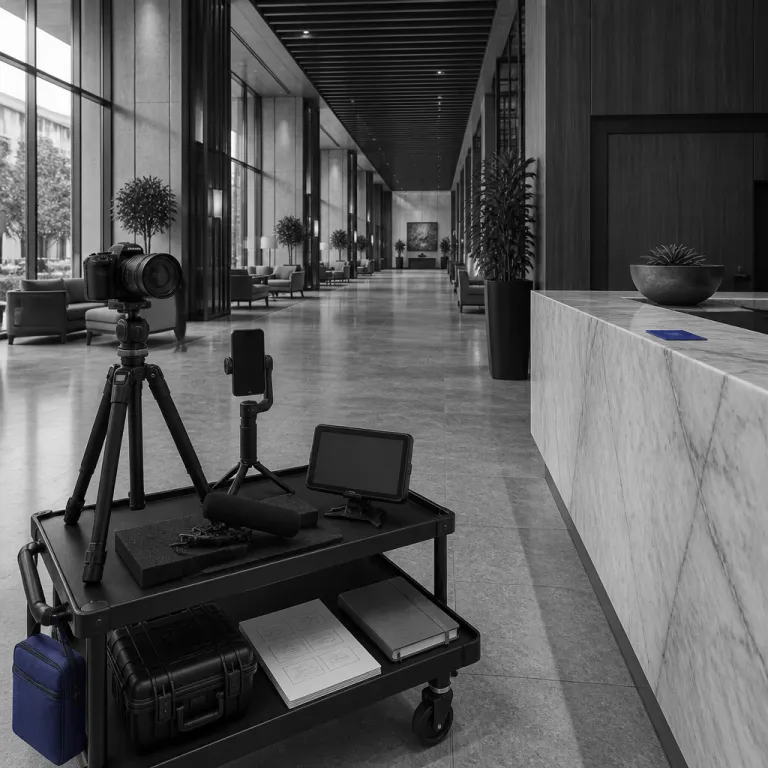
The lifecentre hotel chain mindset as a storytelling blueprint
The lifecentre hotel chain mindset is less about a logo and more about a narrative architecture that places human experience at the centre. For B2B content creators and travel influencers, treating every hotel or inn as a living "life centre" unlocks deeper stories that resonate far beyond a single stay. This approach mirrors how Life House, founded by Rami Zeidan and Yury Yakubchyk, used a tech first philosophy to reframe what a boutique hotel can be in a dense downtown neighbourhood.
When you frame a property as part of a lifecentre hotel chain, you are implicitly saying that each address is a node in a wider ecosystem of culture, mobility, and digital conversation. A hotel in downtown Toronto or an inn near an international airport in Winnipeg stops being just a place with rooms and suites; it becomes a narrative hub where guests, staff, and local communities intersect. That is exactly how a hotel in Little Havana in Miami can anchor stories about walking tours, nearby beaches, and the neighbourhood’s creative energy while still feeling coherent with a tech driven hospitality brand.
For brands like Hilton, Marriott, Delta Hotels, Holiday Inn, or Hampton Inn, this lifecentre perspective helps unify content across very different locations. A Toronto property in the entertainment district, a Winnipeg address near Canada Life offices, and an inn suites concept by the airport in Calgary can all share one editorial spine while keeping local colour. The key is to treat each centre or center as a stage where technology, design, and service are cast members in a story about modern travel, not just operational features.
Designing hospitality narratives around place, movement, and proximity
High performing hospitality storytelling always starts with place, and the lifecentre hotel chain mindset insists that place is more than a GPS coordinate. A hotel in downtown Winnipeg is not just a building with rooms and a fitness centre; it is a bridge between the Canada Life office crowd, the riverfront, and the airport corridor that shapes how guests move and feel. For content creators, that means mapping narratives around walking routes, transit links, and micro districts rather than only listing hotel offers.
Consider how you would frame a Toronto address in the entertainment district with a swimming pool, spa conference facilities, and flexible meeting spaces. One story line could follow a B2B guest who lands at the international airport, checks into a Marriott or Hilton hotel downtown, and then walks to a client dinner before returning to the spa conference level for a late strategy session. Another narrative might track a creator staying at an inn Hilton or Hampton Inn near the airport, then transferring to a downtown Toronto centre property to shoot content that contrasts layover life with location downtown energy.
In this lifecentre hotel chain approach, even chain labels like hotels Marriott, Delta Hotels, or Holiday Inn become narrative tools rather than generic tags. You can show how a Holiday Inn inn suites product near downtown Winnipeg supports family travel, while a Delta Hotels tower in downtown Toronto caters to conference delegates who value walking access to the financial centre. To keep brand consistency while turning guest shot content into bookable assets, many teams now rely on structured storytelling frameworks, as outlined in this guide on turning guest content into bookable assets.
Tech first hospitality brands and the new influence playbook
The rise of Life House as a Silicon Valley backed hotel company signalled a structural shift in how hospitality brands think about influence and content. When a hotel chain secures tens of millions of USD in funding to build innovative hotel management software, it is not only optimising operations; it is also creating data rich story fuel for creators and agencies. In this context, the lifecentre hotel chain mindset aligns perfectly with a tech first approach that treats every guest interaction as both service and signal.
For B2B creators working with Hilton, Marriott, Delta Hotels, or Canada based brands near Canada Life towers, this means that content about rooms, suites, or a fitness centre can be grounded in real behavioural insights. You can show how guests in a Winnipeg airport corridor property behave differently from those in a Toronto entertainment district address, then tailor storytelling accordingly. Life House itself illustrates this by using software to understand how visitors move from a Little Havana hotel lobby to nearby cultural spots, then feeding those patterns back into both design and narrative.
As influence budgets grow, legal and ethical frameworks become non negotiable for any lifecentre hotel chain style brand. Agencies drafting contracts for travel influencers promoting a Hampton Inn near an international airport or a Holiday Inn with large meeting spaces must align with evolving disclosure rules, as highlighted in this analysis on why influencer contracts need a disclosure rewrite. Clear guidelines protect creators, hotels, and platforms, while reinforcing the trust that underpins every credible hospitality story.
From amenities to arcs: turning features into human centred stories
Most hotel marketing still lists amenities like rooms, suites, swimming pool, or spa conference facilities as if they were self explanatory. The lifecentre hotel chain mindset challenges creators to translate those features into story arcs that follow real people through time and space. A fitness centre is no longer a bullet point; it becomes the 06:00 ritual of a sales director staying at a downtown Toronto Marriott before a high stakes pitch at the financial centre.
Imagine a narrative set in a Winnipeg property branded under Delta Hotels, located between the airport and downtown Winnipeg. One story could follow a family arriving on a late flight, checking into inn suites that allow parents to work while children sleep, then heading by walking or short transit to the Canada Life building area for a weekend event. Another arc might track a content creator who uses the swimming pool at dawn, films in the entertainment district by day, and returns to the spa conference floor at night to edit footage.
For brands like Hilton, Hampton Inn, or Holiday Inn, this approach also helps differentiate multiple hotels within the same city centre or center. A Hampton Inn near the international airport in Calgary can own the "arrival and reset" story, while a Hilton address in the location downtown core focuses on "deal making and nightlife". When you position each property as a distinct life centre within the broader lifecentre hotel chain narrative, you give influencers and agencies a clear brief that leads to more coherent, book now oriented content.
Orchestrating multi property storytelling across canadian urban hubs
Canada offers a particularly rich canvas for lifecentre hotel chain storytelling because its urban hubs are compact yet diverse. A coordinated narrative that spans a Toronto tower in the entertainment district, a Winnipeg address near Canada Life offices, and an inn in downtown Calgary can show how one brand supports different travel missions across the country. For B2B creators, this means planning content calendars that move audiences from airport to downtown and back again with a clear emotional through line.
Consider a campaign where a travel influencer starts at a Hampton Inn or inn Hilton near the international airport in Toronto, then transfers to a hotels Marriott property in downtown Toronto for meetings in the financial centre. The same creator might later fly to Winnipeg, stay at a Holiday Inn or Delta Hotels location downtown, and highlight walking access to riverfront paths and local restaurants. Each stop becomes a chapter in a larger story about how one lifecentre hotel chain style network supports business, leisure, and blended travel across Canada.
Agencies can strengthen this orchestration by defining clear roles for each property’s amenities, from meeting spaces and spa conference floors to fitness centres and swimming pools. A hotel near an airport might focus on rest, reliability, and fast check in, while a centre property in downtown Winnipeg leans into culture, events, and Canada Life adjacent networking. To see how adjacent services can elevate both guest experience and social influence, many strategists study case work on how valet services reshape hospitality influence, then adapt those principles to Canadian city grids.
Building collaborative frameworks between brands, creators, and platforms
The most effective lifecentre hotel chain storytelling emerges when hotel brands, creators, agencies, and platforms share a common framework. That framework starts with a clear articulation of each property’s role within the wider network, whether it is a Hilton hotel Toronto flagship, a Marriott inn suites near the airport, or a Delta Hotels tower in downtown Winnipeg. Once those roles are defined, content briefs can move beyond generic "show the rooms" requests toward specific arcs tied to guest journeys and measurable business outcomes.
For B2B creators, this collaboration often begins with a structured call where revenue managers, social teams, and agency strategists align on KPIs such as direct book rates, meeting spaces utilisation, or spa conference enquiries. A Winnipeg property might prioritise corporate events linked to Canada Life tenants, while a Holiday Inn in Calgary focuses on weekend leisure packages that highlight the swimming pool and fitness centre. When everyone understands how each life centre contributes to the chain’s portfolio, content can be tailored to drive both awareness and conversion.
Platforms play a crucial role by surfacing the right stories to the right audiences at the right time. Short form video might spotlight walking access from a hotel in the entertainment district to key venues, while long form posts unpack how a tech first brand like Life House uses software to personalise stays in a Little Havana hotel. As one internal Q&A about the company states, "Who founded Life House? Rami Zeidan and Yury Yakubchyk."; that clarity of origin story helps creators frame the brand’s authority, just as a well defined lifecentre hotel chain narrative helps frame the value of every Canada based property from airport inn to downtown centre flagship.
Key figures shaping tech first hospitality and influence
- Life House has raised substantial venture capital, including a funding round reported by Forbes in the tens of millions of USD, a scale of investment that signals how seriously Silicon Valley now treats hotel technology as a growth engine for hospitality storytelling.
- The company launched its first hotel in Miami’s Little Havana district, using a tech first model to manage operations and guest experience, which provides a concrete example of how software driven insights can inform narrative design for creators.
- Life House has publicly discussed ambitions to expand to dozens of locations, illustrating how a lifecentre style network of boutique hotels can be scaled while maintaining a coherent brand story across multiple urban centres.
FAQ: influence, storytelling, and the lifecentre hotel chain mindset
How does the lifecentre hotel chain mindset differ from traditional hotel marketing ?
The lifecentre hotel chain mindset treats each property as a narrative hub embedded in its neighbourhood, rather than as an isolated building with standardised amenities. Traditional hotel marketing often focuses on static lists of rooms, suites, and facilities, while the lifecentre approach builds story arcs around guest journeys, local culture, and digital touchpoints. This shift helps creators produce content that feels specific, human, and directly tied to measurable outcomes like direct bookings or event enquiries.
Why is Life House relevant for creators working with larger chains like Hilton or Marriott ?
Life House shows how a tech first, software driven model can transform even a small boutique hotel into a data rich storytelling platform. Creators working with Hilton, Marriott, Delta Hotels, or Holiday Inn can borrow this logic by asking for behavioural insights, not just brand guidelines, when planning campaigns. Understanding how guests actually move through a Toronto lobby or a Winnipeg corridor allows influencers to design content that mirrors real experiences and builds trust.
How can travel influencers integrate amenities like fitness centres or meeting spaces into compelling stories ?
Instead of filming empty rooms or generic facilities, influencers should anchor amenities in specific use cases and time frames. A fitness centre becomes the pre meeting ritual of a consultant staying in downtown Toronto, while meeting spaces turn into the backdrop for a product launch or Canada Life adjacent conference in downtown Winnipeg. By following one or two characters through these spaces, creators transform static features into emotionally engaging sequences.
What should agencies prioritise when briefing creators for multi city campaigns in Canada ?
Agencies should first clarify the role of each property within the broader lifecentre hotel chain narrative, from airport inns to location downtown flagships. Briefs need to specify target audiences, key amenities such as spa conference floors or swimming pools, and the desired balance between brand consistency and local flavour. With that foundation, creators can design coherent storylines that move audiences seamlessly from Toronto to Winnipeg or Calgary while still highlighting what makes each hotel unique.
How do evolving disclosure rules affect hospitality influence campaigns ?
Stricter disclosure expectations mean that hotel brands, creators, and agencies must align early on transparent labelling of sponsored stays, perks, and fees. Clear contracts and consistent on platform disclosures protect all parties while reinforcing the credibility that hospitality storytelling depends on. For campaigns promoting properties from Hilton to Holiday Inn, this transparency is now a strategic asset rather than a compliance burden.