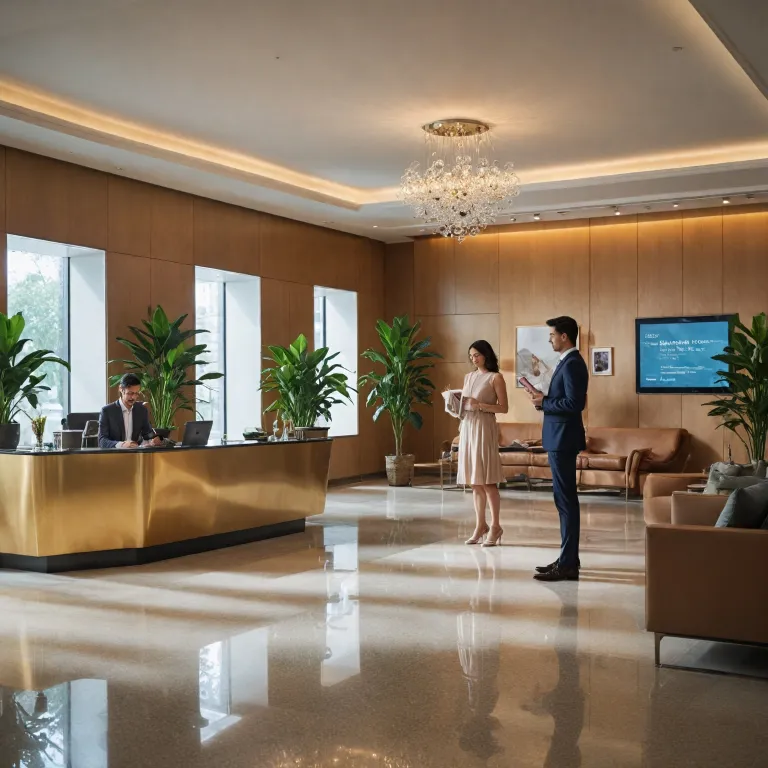
From fragmented tasks to an optimised workflow in hotels
Influence in the hospitality industry now depends on how efficiently hotels orchestrate every backstage task. An opimierter wokflow hotels aligns operations, content creation and guest touchpoints into one coherent narrative. When the hotel team will synchronise service, communication and data, travel creators can finally tell the full story.
Across the hospitality industry, workflow management has moved from spreadsheets to AI enhanced platforms that centralise reservations, housekeeping and guest messaging. Providers such as Hotelogix, OpsFlow and Operto offer a management solution where front office, maintenance and marketing teams access the same live information. This integrated solution reduces friction for guests while giving B2B content creators reliable, real time material to amplify.
For travel influencers, an optimised workflow in hotels means fewer delays, clearer briefings and more consistent experiences to film or photograph. When hotels automate check in, mobile keys and maintenance alerts, creators gain precious time on site to focus on storytelling rather than logistics. In parallel, agencies can plan campaigns around predictable service standards instead of improvising around operational gaps.
Within this context, the hospitality and hotel industry must treat workflow design as a strategic layer of brand experience, not just an internal efficiency project. A well structured opimierter wokflow hotels becomes the invisible infrastructure that supports social amplification, user generated content and long term loyalty. The more seamless the backstage, the more natural and credible the onstage influence appears to demanding guests.
Digital identity, access and security as pillars of creator ready hotels
For B2B creators and travel influencers, the first contact with a property is increasingly digital. A refined opimierter wokflow hotels therefore starts with how the hotel manages user profiles, digital identity and secure access to rooms and services. When these layers are robust, both guests and creators feel safe enough to share and amplify.
Modern workflow platforms in the hospitality industry connect reservation data, loyalty profiles and content preferences into a single management solution. This unified solution allows the team to tailor offers, room amenities and communication to each creator or media guest. At the same time, strong security protocols protect personal data and filming schedules under strict conditions hotel partners require.
Creators often need flexible room access, late check outs and permission to move equipment through back of house areas. With an optimised workflow in hotels, access rights can be configured in advance and adjusted in real time through staff apps. This reduces frictions at security doors, lifts and service corridors, while keeping guests and assets fully protected.
For agencies and hotel brands, the hospitality industry standard is shifting toward transparent, consent based data practices that still enable rich personalisation. When hotels communicate clearly about data use and conditions hotel for filming, creators can confidently integrate the property into their content. In turn, this trust driven opimierter wokflow hotels encourages more authentic storytelling and higher quality social amplification.
Designing regular content workflows between hotels and creators
Influence partnerships in the hotel industry rarely fail because of creativity ; they fail because of workflow. A sustainable opimierter wokflow hotels treats content production as a recurring process with regular rhythms, not as a series of one off campaigns. This mindset allows hotels, agencies and platforms to plan, measure and refine over multiple stays.
Within an optimised workflow in hotels, the marketing and operations teams align on a shared calendar of launches, seasonal offers and guest experiences. The team will then brief creators early, confirm reservation details and define filming windows that respect service peaks and privacy. Such management discipline frees influencers to focus on narrative arcs that match the hospitality industry brand positioning.
To support this, hotels can implement templates for content guidelines, brand assets and individual design options for each creator collaboration. These frameworks still allow creative freedom but ensure that every offer, room type and experience is represented with accurate conditions hotel. Over time, a wide range of content formats emerges, from short form social clips to long form B2B case studies.
“Wie verbessert Workflow-Automatisierung die Gästezufriedenheit?” and “Welche Herausforderungen gibt es bei der Implementierung von Automatisierung in Hotels?” and “Welche Beispiele gibt es für erfolgreiche Automatisierung in Hotels?” provide a concise lens on why automation matters to influence. When hotels answer these questions operationally, creators gain consistent storylines about innovation, care and efficiency. In this way, a structured opimierter wokflow hotels becomes the backbone of long term creator relations.
Processes integration and cross team collaboration for social amplification
Social amplification in the hospitality industry depends on how well internal teams collaborate behind the scenes. An opimierter wokflow hotels requires deep processes integration between front office, housekeeping, maintenance and marketing. Without this integration, even the best influencer strategy will struggle to translate into memorable guest experiences.
AI enabled platforms such as Hotelogix, OpsFlow and Operto help hotels coordinate tasks, track time and share updates across departments. For example, when a creator posts live about a suite, the team will receive instant alerts to ensure the room is prepared for follow up shots or VIP guests. This level of management precision turns spontaneous content moments into orchestrated brand assets.
Maintenance and energy optimisation also play a role in influence, especially as sustainability becomes central to the hotel industry narrative. With automated systems, properties can achieve measurable energy savings while maintaining comfort and design standards. These operational achievements feed into B2B storytelling and can be highlighted in specialised articles such as elevating influence through hotel loyalty programs.
For agencies and platforms, a mature opimierter wokflow hotels means they can confidently scale campaigns across a wide range properties with similar standards. The hospitality brand gains a reputation for reliability, while creators enjoy predictable shooting conditions and responsive support. Ultimately, processes integration transforms isolated posts into coherent, multi property narratives that resonate with both leisure and B2B audiences.
From reservation to post stay : mapping the guest and creator journey
To fully leverage influence, hotels must map every step from reservation to post stay engagement. An opimierter wokflow hotels ensures that both guests and creators encounter consistent service, clear communication and meaningful touchpoints. This journey centric view turns each stay into a structured content opportunity for the hospitality industry.
Before arrival, a unified management solution connects booking data, preferences and campaign briefs into one digital profile. The team will then coordinate room allocation, amenities and filming permissions under transparent conditions hotel. During the stay, staff use mobile tools to track requests in real time, ensuring that every promise made in communication is delivered on property.
After check out, the workflow continues with feedback collection, rights management for user generated content and performance analysis. Hotels can segment responses from regular guests, B2B creators and travel influencers to refine future offer design. Over multiple cycles, this structured approach produces a wide range of insights that inform both operational and influence strategies.
For hotel brands and agencies, this journey mapping reinforces credibility in a crowded hospitality market. When creators experience a smooth, well documented process from first email to final report, they are more likely to return and recommend the hotel. In practice, a carefully mapped opimierter wokflow hotels becomes a competitive advantage that blends service excellence with measurable social amplification.
Wide range of solutions for an optimised workflow in hotels
The hospitality industry now benefits from a wide range of technology solutions that support influence and social amplification. An opimierter wokflow hotels typically combines property management systems, workforce apps, maintenance tools and guest facing platforms. When these components are selected and configured thoughtfully, they create a resilient backbone for creator partnerships.
Hotelogix provides a core management solution that unifies reservations, billing and guest profiles into a single digital environment. OpsFlow focuses on maintenance and asset management, ensuring that rooms, public areas and back of house spaces remain camera ready at all time. Operto adds workforce scheduling and task tracking, giving the team will the structure needed to support complex shoots and high profile guests.
For B2B content creators, the value lies not only in the technology but in how hotels translate it into clear processes and transparent communication. Properties that invest in training, individual design of workflows and robust security protocols send a strong signal of professionalism. This reassures agencies and platforms that the hotel industry partner can handle demanding briefs under strict conditions hotel.
As influence matures within the hospitality sector, an optimised workflow in hotels will increasingly be seen as a prerequisite for serious collaborations. Brands that align operations, design and technology around creator needs will stand out in the global hospitality landscape. In this environment, a carefully engineered opimierter wokflow hotels is not just an efficiency play ; it is a strategic asset for reputation, reach and long term loyalty.
Key statistics shaping workflow and influence in hospitality
- Hotels reporting significant staff shortages reached 87 %, forcing the hotel industry to accelerate automation and workflow optimisation.
- Around 70 % of guests now expect mobile check in options, making digital access and identity management central to any opimierter wokflow hotels strategy.
- Smart room technologies can deliver energy savings of approximately 25 %, creating new storytelling angles for sustainability focused creators and hotels.
Frequently asked questions about optimised workflows and influence in hotels
How does workflow automation improve guest satisfaction and creator experience ?
Workflow automation reduces waiting times, eliminates repetitive errors and ensures that promises made in communication are delivered consistently on property. For creators, this means more predictable shooting conditions, faster responses to special requests and a smoother narrative arc from arrival to departure. For guests, it translates into seamless check in, responsive service and a feeling that the hotel truly understands their needs.
What are the main challenges when implementing automation in hotels ?
Key challenges include upfront investment, integration with legacy systems and the need for comprehensive staff training. Many properties in the hospitality industry also face cultural resistance, as teams adapt from manual routines to data driven, digital workflows. Successful projects therefore combine technology deployment with change management, clear governance and ongoing performance monitoring.
Which examples illustrate successful automation in the hotel industry ?
Global brands have implemented mobile keys, automated maintenance alerts and AI supported pricing engines with measurable impact. One widely cited case is Marriott's mobile key technology, which significantly reduced lobby congestion and waiting times for frequent guests. Such examples show how an opimierter wokflow hotels can simultaneously enhance guest satisfaction, operational efficiency and the quality of content captured on site.
How can smaller independent hotels build an optimised workflow for influence ?
Independent hotels can start by mapping their guest and creator journeys, then selecting modular solutions that address the most critical friction points. Cloud based management platforms, simple staff apps and clear content guidelines already create a strong foundation for collaboration. Over time, these properties can layer additional tools for analytics, automation and security as their influence programmes mature.
What role do agencies and platforms play in shaping hotel workflows ?
Agencies and social platforms act as translators between creator expectations and hotel capabilities. By sharing best practices, standardising briefs and aligning KPIs, they help the hospitality industry design workflows that are both operationally realistic and creatively inspiring. This triangular collaboration between hotels, creators and intermediaries is essential to scale influence while preserving guest comfort and brand integrity.