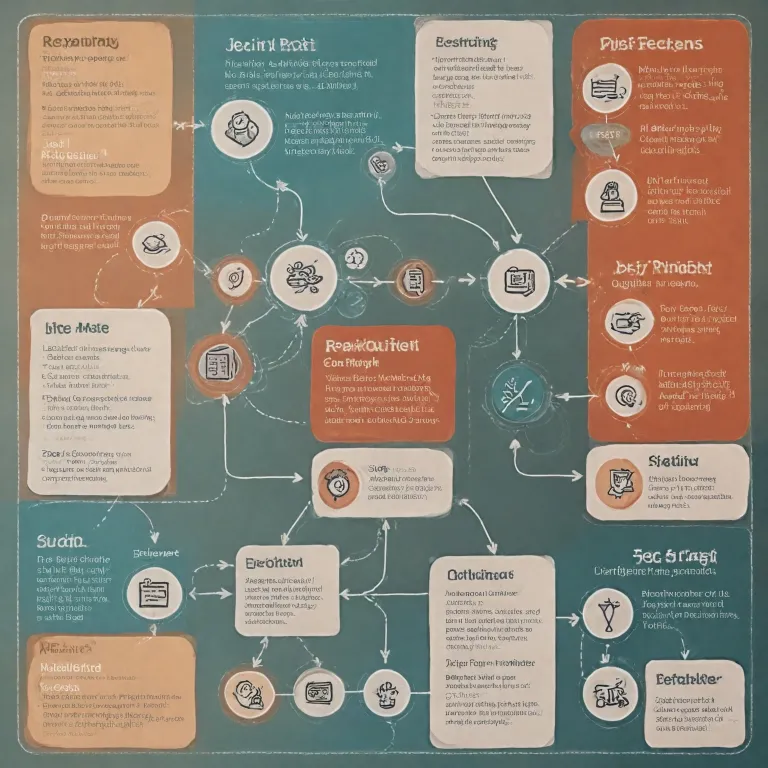
Understanding the restaurant customer journey: mapping key touchpoints and personas
The restaurant customer journey is a dynamic process that encompasses every interaction a guest has with a restaurant, from initial awareness to post dining engagement. Mapping this journey is essential for hospitality brands, as it reveals key touchpoints and pain points that influence the guest experience. By creating detailed customer personas, restaurants can tailor their service and marketing strategies to meet the unique needs of each customer segment, ensuring a seamless dining experience.
Journey mapping involves identifying each stage of the restaurant customer journey, including awareness, consideration, decision, experience, and post visit engagement. At each stage, customers interact with various elements such as the menu, digital platforms, and staff service. Understanding these interactions allows brands to optimize the guest journey, reduce wait times, and enhance the overall customer experience. Effective journey mapping also highlights opportunities for online ordering and loyalty programs, which are increasingly important in today’s digital landscape.
Restaurants that invest in mapping the guest journey can better anticipate customer needs and deliver a personalized dining experience. This approach not only improves customer satisfaction but also drives repeat visits and positive word-of-mouth. As the hospitality industry evolves, leveraging journey mapping and customer personas becomes a key differentiator for brands seeking to elevate their service and build lasting relationships with their guests.
Leveraging social media and digital marketing to amplify the guest journey
Social media platforms have become integral to the restaurant customer journey, influencing how customers discover, evaluate, and share their dining experiences. Hospitality brands must develop robust marketing strategies that leverage social media to engage customers at every stage of their journey. By creating compelling content and encouraging user-generated posts, restaurants can amplify their reach and attract new guests.
Digital marketing tools, such as targeted ads and influencer partnerships, enable brands to connect with specific customer personas and guide them through the journey map. These strategies help restaurants highlight key touchpoints, such as new menu launches or exclusive dining experiences, while addressing pain points like long wait times or limited online ordering options. Integrating social media with CRM systems and feedback platforms ensures that customer feedback is captured and acted upon, further enhancing the guest experience.
For agencies and platforms specializing in hospitality, understanding the nuances of the restaurant customer journey is crucial for crafting effective campaigns. By aligning marketing efforts with the stages of the guest journey, brands can create memorable experiences that drive repeat visits and foster loyalty. For more insights on digital transformation in hospitality, explore our guide to restaurant digital marketing strategies.
Optimizing service delivery: staff training and technology integration
Exceptional service is at the heart of a memorable restaurant customer journey. Training staff to recognize and respond to key touchpoints along the guest journey is essential for delivering a consistent and personalized dining experience. By equipping employees with the skills to address customer pain points, such as wait times or special dietary requests, restaurants can enhance the overall guest experience and encourage repeat visits.
Technology integration plays a pivotal role in streamlining service delivery and supporting journey mapping efforts. Reservation software, online ordering platforms, and digital menu systems enable restaurants to manage customer flow, reduce friction, and provide real-time updates to guests. These tools also facilitate the collection of data on customer preferences and behaviors, which can be used to refine marketing strategies and improve the guest journey.
Collaboration with technology providers and marketing agencies ensures that hospitality brands stay ahead of industry trends and continuously improve their service offerings. For a deeper dive into optimizing the guest journey through technology, read our article on restaurant technology solutions.
Personalization and loyalty: creating memorable dining experiences
Personalization is a cornerstone of the modern restaurant customer journey, with 65% of customers expecting tailored experiences. By leveraging data from CRM systems and feedback platforms, restaurants can create customized marketing strategies that resonate with individual customer personas. This approach enhances the guest journey by addressing specific preferences, dietary needs, and special occasions, resulting in a more meaningful dining experience.
Loyalty programs are a key component of journey mapping, encouraging repeat visits and fostering long-term relationships with guests. By rewarding customers for their engagement and feedback, restaurants can build a loyal customer base that advocates for the brand both online and offline. The integration of digital loyalty programs with social media platforms further amplifies the impact of these initiatives, driving awareness and engagement across multiple channels.
Memorable dining experiences are shaped by the seamless integration of personalized service, innovative menu offerings, and efficient digital solutions. Restaurants that prioritize the guest journey and invest in loyalty programs are well positioned to thrive in a competitive market.
Addressing pain points and enhancing the post dining journey
Identifying and addressing pain points is critical to optimizing the restaurant customer journey. Common challenges such as long wait times, inconsistent service, and limited online ordering options can detract from the guest experience and hinder repeat visits. By mapping these pain points and implementing targeted solutions, restaurants can enhance the overall journey and increase customer satisfaction.
The post dining stage is an often-overlooked aspect of the guest journey, yet it plays a significant role in shaping customer perceptions and driving loyalty. Engaging customers through follow-up communications, feedback requests, and personalized offers encourages post visit interaction and strengthens the relationship between the brand and its guests. Social media platforms are particularly effective for post dining engagement, allowing restaurants to showcase positive reviews, address concerns, and maintain an ongoing dialogue with their customers.
Continuous improvement of the guest journey requires a proactive approach to journey mapping and service innovation. By leveraging customer feedback and data analytics, hospitality brands can identify emerging trends and adapt their strategies to meet evolving customer expectations. This commitment to excellence ensures that every stage of the restaurant customer journey is optimized for success.
Influence and amplification: the role of creators and social platforms in the guest journey
Influencers and content creators play a pivotal role in shaping the restaurant customer journey, particularly in the awareness and consideration stages. Their authentic content and social amplification can introduce new customers to a restaurant, highlight key touchpoints, and showcase the guest experience in a compelling way. By partnering with creators, hospitality brands can extend their reach and influence customer perceptions both online and offline.
Social media platforms serve as powerful amplifiers for the guest journey, enabling restaurants to share behind-the-scenes content, menu highlights, and customer testimonials. These platforms also facilitate real-time engagement with customers, allowing brands to address pain points and celebrate positive experiences. Effective collaboration with creators and agencies ensures that marketing strategies are aligned with the unique needs of each customer persona and journey map.
As the hospitality industry continues to evolve, the integration of influence, creators, and social amplification will remain a key driver of success. Brands that embrace these strategies and prioritize the guest journey will be well positioned to attract new customers, foster loyalty, and achieve sustainable growth.
Expert insights: real-world strategies for mapping and optimizing the restaurant customer journey
Industry leaders emphasize the importance of a holistic approach to the restaurant customer journey. As one expert states, "The stages include Awareness, Consideration, Decision, Experience, and Post-Dining Engagement." This comprehensive journey map enables restaurants to identify key touchpoints and tailor their service to meet customer expectations. Another expert highlights, "It helps identify areas for improvement, enhance customer satisfaction, and increase loyalty." These insights underscore the value of journey mapping in driving operational excellence and guest satisfaction.
To further optimize the guest journey, experts recommend leveraging technology and staff training. "By mapping the journey, training staff, leveraging technology, and personalizing experiences," restaurants can create a seamless and memorable dining experience for every guest. These strategies are supported by data, with 86% of consumers willing to pay more for better customer experience and 77% of diners influenced by online reviews. By integrating these best practices, hospitality brands can elevate the restaurant customer journey and achieve lasting success.
For additional resources and expert guidance, explore our comprehensive guides on journey mapping, digital marketing, and loyalty program development for the hospitality industry.
Key statistics on the restaurant customer journey
- 86% of consumers are willing to pay more for better customer experience.
- 77% of diners are influenced by online reviews.
- 65% of customers expect personalized experiences during their restaurant journey.
Frequently asked questions about the restaurant customer journey
What are the stages of the restaurant customer journey?
The stages include Awareness, Consideration, Decision, Experience, and Post-Dining Engagement.
Why is understanding the customer journey important for restaurants?
It helps identify areas for improvement, enhance customer satisfaction, and increase loyalty.
How can restaurants improve the customer journey?
By mapping the journey, training staff, leveraging technology, and personalizing experiences.
What methods and tools support the restaurant customer journey?
Customer journey mapping, staff training, digital marketing, CRM systems, feedback platforms, and reservation software all contribute to optimizing the guest journey.
References:
zipdo.co – Customer experience in the food service industry statistics
zipdo.co – Customer experience in the food service industry statistics
zipdo.co – Customer experience in the food service industry statistics