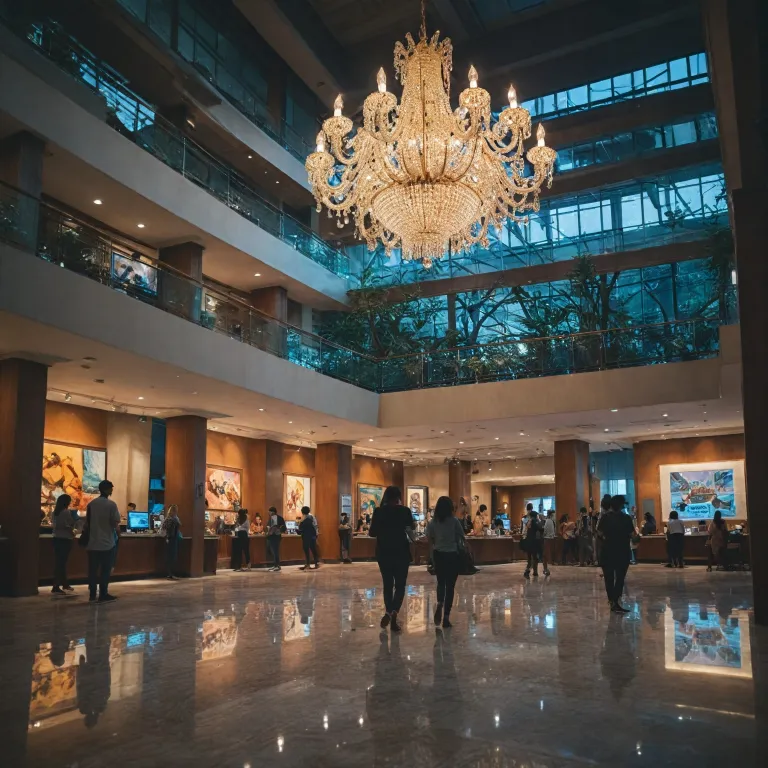
The evolving landscape of social amplification in the hospitality industry
Social amplification has redefined the hospitality industry, reshaping how hotels connect with potential customers and guests. The rise of social media platforms has enabled hospitality businesses to reach wider audiences, leveraging both user generated content and interactive media marketing strategies. As hotels embrace these digital channels, the impact of social amplification on hotel sales becomes increasingly evident, influencing booking decisions and enhancing customer engagement.
Hospitality brands now recognize the necessity of integrating social media into their core marketing strategy. By encouraging guests to share experiences and reviews online, hotels foster a dynamic environment where user generated content becomes a powerful tool for building brand image and trust. This approach not only boosts hotel booking rates but also strengthens the overall brand presence across media platforms.
Hotel managers and marketing teams act as key implementers and strategists, ensuring that every piece of content—whether created by the hotel or its guests—serves to amplify the brand’s message. The hospitality business thrives on the authenticity and immediacy of social interactions, making social commerce and lodging interactive experiences central to driving sales. As the industry continues to evolve, the synergy between social media, customer engagement, and hotel marketing will remain a cornerstone of success.
Leveraging content creators and influencers for hotel marketing success
Content creators and travel influencers play a pivotal role in amplifying the reach of hospitality businesses. Their authentic storytelling and visually engaging content help hotels connect with both potential guests and existing customers on a personal level. By collaborating with these creators, hotels can generate a steady stream of user generated content that resonates across social media platforms and enhances the brand image.
Effective hotel marketing strategies now prioritize partnerships with influencers who align with the brand’s values and target audience. This approach not only increases the visibility of the hotel industry but also encourages interactive engagement through comments, shares, and likes. The result is a vibrant online community where customer engagement drives social commerce and boosts hotel booking rates.
Agencies and platforms specializing in hospitality tourism facilitate these collaborations, ensuring that content is both impactful and aligned with the brand’s objectives. For a comprehensive guide on maximizing influencer partnerships, explore best practices for hospitality influencer marketing. As the hospitality industry continues to innovate, the integration of influencer-driven content will remain a key driver of sales and guest loyalty.
Enhancing customer engagement through interactive and immersive experiences
Interactive content and immersive experiences are at the forefront of modern hospitality marketing. Hotels are increasingly utilizing AR/VR technologies to offer virtual tours, allowing potential customers to explore facilities and amenities before making a booking. This level of engagement not only elevates the guest experience but also positively impacts hotel sales by increasing booking confidence.
Hospitality businesses that invest in interactive media platforms see higher levels of customer engagement and loyalty. By responding to guest reviews and encouraging online participation, hotels create a feedback loop that strengthens the brand image and fosters trust. As noted in the dataset, "Hotels that respond to over 50% of social reviews can see occupancy rates grow by 6.4 percentage points, more than twice the rate of properties that largely ignore social media reviews."
For more insights on leveraging technology for guest engagement, visit innovative digital solutions for hotels. The hospitality industry’s adoption of interactive and immersive content is a testament to the power of social amplification in driving both customer satisfaction and hotel revenue.
The role of user generated content in shaping brand image and trust
User generated content has become a cornerstone of hotel marketing, offering authentic perspectives that resonate with potential guests. Reviews, photos, and stories shared by customers on social media platforms contribute significantly to the hotel’s online reputation and brand image. This organic content often carries more weight than traditional advertising, as it reflects genuine guest experiences.
Hotels that actively encourage and showcase user generated content benefit from increased customer engagement and social commerce opportunities. The hospitality industry has seen a marked improvement in hotel booking rates and revenue as a result of positive online interactions. According to the dataset, "Active social media engagement, including responding to reviews and creating interactive content, has been shown to significantly increase hotel bookings and revenue."
By integrating user generated content into their marketing strategy, hospitality businesses can build a community of loyal guests who advocate for the brand. The ongoing evolution of social media ensures that user generated content will remain a vital asset for the hotel industry.
Strategic integration of social commerce and media marketing in hospitality
Social commerce has emerged as a powerful force within the hospitality industry, bridging the gap between online engagement and direct sales. Hotels are leveraging media marketing techniques to create seamless booking experiences, integrating forums, communities, and rating systems into their digital platforms. This approach not only streamlines the hotel booking process but also enhances customer engagement by providing valuable information and personalized offers.
Marketing teams are tasked with developing strategies that harness the full potential of social media and commerce, ensuring that every interaction contributes to the hotel’s bottom line. The use of advanced analytics and review management systems enables hospitality businesses to monitor customer sentiment and adapt their marketing strategy accordingly. As highlighted in the dataset, "By offering virtual tours and immersive experiences through AR/VR, hotels can attract potential guests by showcasing their facilities and services in an engaging manner."
The integration of social commerce and media amplified campaigns is transforming the way hotels interact with customers and potential guests. As the hospitality business continues to adapt to changing consumer behaviors, the strategic use of social media platforms and interactive content will be essential for sustained growth and competitiveness.
Measuring the impact of social amplification on hotel sales and performance
Quantifying the impact of social amplification on hotel sales requires a multifaceted approach, combining occupancy rates, revenue metrics, and customer feedback. Studies have shown that even a 1% improvement in online reputation score can lead to a 1.42% increase in revenue per available room. Additionally, a one-point rise in review scores on a five-point scale can result in an 11.2% increase in potential pricing power for hotels.
Hotel managers and marketing teams must continuously monitor and respond to online reviews, leveraging data-driven insights to refine their marketing strategy. The hospitality industry’s adoption of real-time analytics and sentiment analysis tools enables businesses to track the effectiveness of social media campaigns and adjust tactics for optimal results. This data-centric approach ensures that hospitality businesses remain agile and responsive to market trends.
As the landscape of social media and hospitality tourism evolves, the ability to measure and optimize the impact of social amplification will be a key differentiator for successful hotels. By prioritizing customer engagement, interactive content, and user generated experiences, hotels can achieve sustained growth and a strong brand image in the competitive hospitality market.
Key statistics on the impact of social amplification in hospitality
- Hotels responding to over 50% of social reviews experience a 6.4 percentage point increase in occupancy rates.
- A 1% improvement in online reputation score leads to a 1.42% increase in revenue per available room.
- A one-point rise in review scores on a five-point scale allows for an 11.2% increase in potential pricing.
Frequently asked questions about social amplification and hotel sales
How does responding to online reviews affect hotel revenue?
Hotels that respond to over 50% of social reviews can see occupancy rates grow by 6.4 percentage points, more than twice the rate of properties that largely ignore social media reviews.
What is the impact of social media engagement on hotel bookings?
Active social media engagement, including responding to reviews and creating interactive content, has been shown to significantly increase hotel bookings and revenue.
How can hotels use AR/VR technologies to boost sales?
By offering virtual tours and immersive experiences through AR/VR, hotels can attract potential guests by showcasing their facilities and services in an engaging manner.
How does user generated content influence hotel brand image?
User generated content, such as reviews and photos shared on social media platforms, enhances the hotel’s brand image by providing authentic guest perspectives and building trust with potential customers.
References
- Medallia study
- Cornell University study
- Revinate Surveys