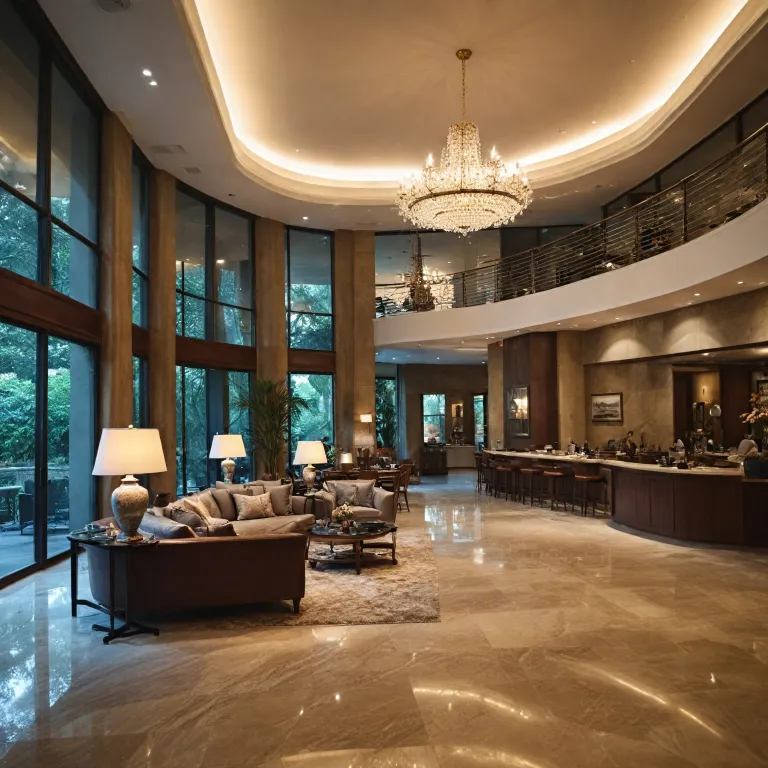
Understanding the dynamics of social media engagement for hotels
Social media engagement for hotels has become a cornerstone of digital marketing in the hospitality industry. With over 80% of travelers active on social platforms, hotels must prioritize their media presence to influence booking decisions and foster brand awareness. The hospitality industry is increasingly leveraging content strategies that blend user generated content, video content, and short form experiences to create authentic connections with potential guests.
Hotel marketing teams are now content creators and community managers, tasked with developing media strategies that amplify the hotel brand across platforms like Instagram. This approach not only boosts engagement rates but also enhances the visibility of the property among travelers seeking unique lodging experiences. The integration of media marketing tools, such as analytics platforms and content creation suites, enables hotels to monitor engagement and optimize their media amplified campaigns for maximum impact.
Guests and customers play a pivotal role as user generated content providers, sharing their experiences and guest reviews online. This organic content is invaluable for building trust and credibility, as it offers real-world insights into the lodging experience. By encouraging guests to share their stories and interact with the hotel’s digital marketing efforts, properties can create a cycle of engagement that benefits both the brand and its audience.
Crafting a winning media strategy: from content creation to amplification
Developing a robust media strategy is essential for hotels aiming to stand out in a crowded hospitality industry. The process begins with identifying the right platforms for engagement, with Instagram and TikTok emerging as top choices for marketing hotels due to their visual and interactive nature. Hotels must tailor their content to each platform, utilizing short form videos, user generated content, and landing pages that capture the attention of travelers and potential guests.
Collaboration with influencers and content creators is a powerful way to amplify the hotel’s message. Influencers act as brand ambassadors, sharing authentic experiences that resonate with their followers and extend the hotel’s reach. As highlighted in the dataset, “Influencers can extend a hotel's reach by sharing authentic experiences with their followers, thereby enhancing credibility and attracting new guests.” This partnership not only increases engagement rates but also drives direct bookings through media amplified campaigns.
To further enhance engagement, hotels should integrate interactive elements such as polls, Q&A sessions, and live video content. These tactics foster a sense of community and encourage guests to participate in the hotel’s digital narrative. For more insights on optimizing your media strategy, explore our guide on hotel social media best practices.
Leveraging user generated content and guest reviews for authentic engagement
User generated content and guest reviews are among the most influential assets in hotel marketing. When guests share their experiences on social media, they provide authentic endorsements that build trust with potential guests. According to the dataset, “User-generated content is crucial as it provides authentic insights and social proof, influencing potential guests' booking decisions.” This underscores the importance of encouraging guests to post about their stays and tag the hotel’s official accounts.
Hotels can incentivize user generated content by offering discounts, exclusive experiences, or recognition on their official channels. Creating shareable moments within the property—such as unique decor, photo spots, or interactive events—encourages guests to capture and share their experiences. The integration of user generated content into the hotel’s media presence not only amplifies brand awareness but also enhances the overall engagement rate.
Platforms like Instagram are particularly effective for showcasing guest reviews and user generated content, as 58% of hotels use Instagram as their main engagement platform. For a deeper dive into leveraging guest reviews, visit our resource on hospitality guest feedback strategies.
Maximizing the impact of short form and video content in hotel marketing
Short form and video content have become dominant forces in social media engagement for hotels. Platforms such as TikTok and Instagram Reels offer hotels the opportunity to showcase their property, amenities, and guest experiences in a visually compelling format. The hospitality industry has seen a surge in engagement rates through the use of dynamic video content that highlights the unique aspects of each hotel.
Video content enables hotels to tell their story in a way that static images or text cannot. Behind-the-scenes tours, guest testimonials, and interactive experiences can all be captured in short form videos, providing potential guests with a vivid sense of what to expect. As noted in the dataset, “Short-form videos showcasing the hotel's amenities, guest testimonials, and behind-the-scenes looks tend to resonate well with potential guests.”
To maximize the impact of video content, hotels should focus on authenticity and creativity. Incorporating user generated clips, staff interactions, and real-time events can make the content more relatable and engaging.
Building brand awareness and loyalty through interactive lodging experiences
Brand awareness is a critical component of hotel marketing, and interactive lodging experiences play a key role in achieving this goal. Hotels that offer unique, memorable experiences are more likely to be featured in user generated content and shared across social platforms. This organic amplification not only increases the hotel’s media presence but also strengthens its reputation within the hospitality industry.
Engagement is further enhanced when hotels create opportunities for guests to interact with the property and its staff. Activities such as cooking classes, guided tours, or themed events provide guests with content to share and discuss online. The use of branded hashtags and landing pages dedicated to guest experiences can help track and amplify these interactions, driving further engagement and bookings.
By fostering a sense of community and encouraging guests to become brand advocates, hotels can build lasting loyalty. This approach is supported by the insight, “Hotels can increase bookings by creating engaging content, responding promptly to inquiries, collaborating with influencers, and leveraging user-generated content to build trust.”
Measuring success: analytics, engagement rate, and continuous improvement
Effective measurement is essential for optimizing social media engagement for hotels. Analytics tools allow hotel marketing teams to track key metrics such as engagement rate, reach, and conversion. By analyzing the performance of content across different platforms, hotels can refine their media strategy and focus on tactics that deliver the highest return on investment.
Engagement rate is a particularly important metric, as it reflects the level of interaction between the hotel and its audience. High engagement rates indicate that the content resonates with guests and potential guests, driving brand awareness and bookings. Hotels should regularly review their analytics to identify trends, successful content types, and areas for improvement.
Continuous improvement is achieved by staying informed about emerging trends in media marketing, experimenting with new content formats, and collaborating with partners such as influencers and digital marketing consultants. By maintaining a proactive approach, hotels can ensure their media amplified efforts remain effective and relevant in a rapidly evolving digital landscape.
Innovative partnerships and future trends in hotel social media marketing
The future of social media engagement for hotels lies in innovative partnerships and the adoption of emerging trends. Collaboration with influencer marketing agencies, content creators, and digital marketing consultants enables hotels to access new audiences and amplify their message. These partnerships are particularly valuable for reaching younger travelers who rely on social platforms for travel inspiration and booking decisions.
As the hospitality industry continues to evolve, hotels must stay ahead of trends such as real-time engagement, interactive content, and the integration of user generated experiences. The rise of lodging interactive campaigns and media amplified strategies will further enhance the ability of hotels to connect with guests and build lasting relationships.
By embracing a holistic approach to media strategy—combining content creation, influencer collaboration, and data-driven optimization—hotels can achieve sustained success in digital marketing. The commitment to authenticity, creativity, and guest engagement will remain the foundation of effective hotel social media marketing for years to come.
Key statistics on social media engagement for hotels
- 35% of travelers use social media for travel inspiration.
- Hotels leveraging social platforms see up to 20% more direct bookings each year.
- 71% of travelers are influenced by social media content in booking decisions.
- 58% of hotels use Instagram as their main engagement platform.
- Hotels with influencer partnerships see a 21% increase in bookings.
Frequently asked questions about hotel social media engagement
How can hotels effectively use social media to increase bookings?
Hotels can increase bookings by creating engaging content, responding promptly to inquiries, collaborating with influencers, and leveraging user-generated content to build trust.
Which social media platforms are most effective for hotel marketing?
Instagram and TikTok are highly effective due to their visual nature and popularity among travelers seeking inspiration.
What type of content resonates most with potential hotel guests?
Short-form videos showcasing the hotel's amenities, guest testimonials, and behind-the-scenes looks tend to resonate well with potential guests.