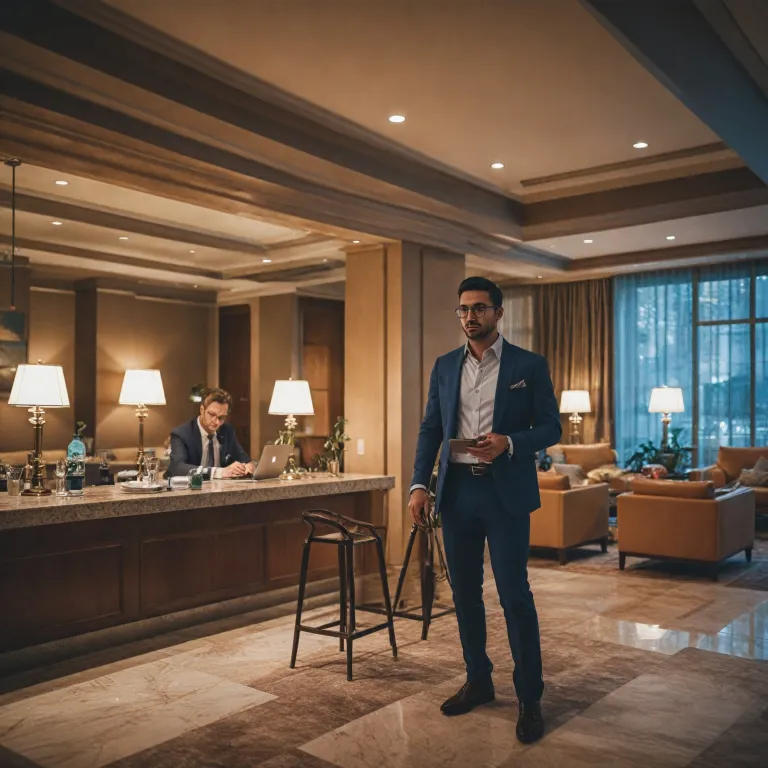
Harnessing social media channels for impactful hotel marketing strategies
Hotel marketing through social media has become a cornerstone for brands seeking to reach a wider audience and foster direct bookings. The hospitality industry is leveraging media channels such as Instagram, Facebook, and TikTok to showcase property amenities, highlight guest experiences, and build authentic connections with potential guests. With millions of active users engaging daily, hotels must craft a media strategy that integrates short-form videos, user generated content, and influencer collaborations to maximize reach and brand awareness.
Content creators and hotel marketing teams are now focusing on producing engaging videos and posts shared across multiple platforms. These efforts not only increase online visibility but also drive direct bookings by targeting the right audience at the right time. The integration of digital marketing tools, such as AI-powered analytics, enables hotels to personalize their marketing strategies and refine their approach based on real-time data. As a result, hotels can effectively position their brand in a competitive market, ensuring that their marketing strategy aligns with the evolving expectations of guests and travelers.
Social media marketing is not just about promotion; it is about creating a dialogue with people who are interested in travel and hospitality. By encouraging guests to share their experiences and participate in user generated content campaigns, hotels can amplify their message and build trust within their target audience. This approach enhances the overall hotel social presence and supports the growth of brand loyalty among both new and returning guests.
Influencer collaborations and creator partnerships: amplifying hotel brand reach
Influencers and content creators have emerged as pivotal partners in hotel marketing through social media, offering brands access to highly engaged and niche audiences. Collaborations with micro and nano influencers allow hotels to craft authentic stories that resonate with specific demographics, increasing the likelihood of direct bookings and brand engagement. These partnerships are particularly effective when influencers share their genuine experiences at a property, creating content that feels both personal and aspirational.
Instagram and Facebook remain leading platforms for influencer-driven hotel marketing, with post Instagram campaigns and videos reaching thousands of active users in a matter of hours. Hotels are increasingly integrating influencer content into their broader marketing strategies, ensuring that each post shared aligns with the brand’s values and desired image. This synergy between hotels and creators not only boosts brand awareness but also encourages potential guests to consider the property for their next travel experience.
For agencies and hotel marketing teams, selecting the right influencers is critical to achieving marketing strategy objectives. By analyzing audience demographics, engagement rates, and content style, brands can identify creators who will authentically represent their property and drive meaningful results. For more insights on influencer marketing in hospitality, explore our comprehensive guide to influencer partnerships.
User generated content: building trust and authenticity in hotel social campaigns
User generated content has become a powerful asset in hotel marketing through social media, with 85% of consumers trusting content created by real guests. When people share their experiences online, they provide potential guests with authentic insights into the property, amenities, and overall atmosphere. This type of content not only enhances brand credibility but also increases the likelihood of direct bookings, as travelers are more likely to trust recommendations from fellow guests than traditional advertising.
Hotels are actively encouraging guests to participate in content creation by offering incentives, running contests, or simply highlighting the best user generated posts on their official media channels. Short form videos, photos, and testimonials shared by guests can be repurposed across Instagram, Facebook, and other platforms to reach a broader audience. This strategy not only amplifies the hotel’s message but also fosters a sense of community among guests and followers.
Integrating user generated content into the overall marketing strategy requires a thoughtful approach to curation and moderation. Hotels must ensure that all content aligns with brand standards and accurately reflects the property’s offerings. For a deeper dive into best practices for leveraging guest content, visit our user generated content resource.
Short-form video and real-time engagement: driving brand awareness and bookings
The rise of short form video content on platforms like TikTok, Instagram Reels, and YouTube Shorts has transformed hotel marketing through social media. Hotels are now producing dynamic videos that showcase unique aspects of their property, from luxurious suites to local experiences, capturing the attention of potential guests in just a few seconds. This format is particularly effective for reaching younger audiences and increasing brand awareness in a crowded digital landscape.
Real-time engagement through live streams, stories, and interactive posts allows hotels to connect with their audience on a personal level. By responding to comments, sharing behind-the-scenes moments, and highlighting guest interactions, brands can foster a sense of immediacy and authenticity. This approach not only increases the likelihood of post shared virality but also encourages active users to engage with the hotel’s content and consider booking a stay.
Hotels that prioritize short form video and real-time engagement in their media strategy are seeing measurable results, including higher engagement rates and increased direct bookings.
AI-powered personalization and digital marketing innovation in hospitality
Artificial intelligence is reshaping hotel marketing through social media by enabling brands to deliver personalized content and offers to their target audience. AI-powered tools analyze guest data, preferences, and online behavior to recommend tailored experiences, increasing the likelihood of bookings and enhancing guest satisfaction. This level of personalization sets hotels apart in the hospitality industry, where competition for attention is fierce.
Digital marketing innovations, such as chatbots, predictive analytics, and automated content scheduling, streamline the execution of media strategies and ensure timely delivery of relevant messages. Hotels are also experimenting with augmented reality and virtual reality to create immersive experiences that can be shared across media channels, further differentiating their brand. These technologies not only improve operational efficiency but also provide valuable insights into audience preferences and trends.
As digital marketing continues to evolve, hotels must remain agile and open to adopting new tools and techniques. By integrating AI and other innovations into their marketing strategies, brands can stay ahead of the curve and consistently deliver value to their guests and followers.
Measuring success: analytics, direct bookings, and the future of hotel social media marketing
Effective hotel marketing through social media requires a robust approach to measurement and analytics. Brands must track key performance indicators such as engagement rates, reach, brand awareness, and the number of direct bookings generated from social campaigns. Advanced analytics tools enable hotels to assess the impact of each marketing strategy and adjust their approach in real time for optimal results.
With a 20% increase in direct bookings for hotels leveraging social media, the importance of a data-driven media strategy cannot be overstated. Hotels should regularly review the performance of their content, influencer collaborations, and user generated campaigns to identify areas for improvement and capitalize on emerging trends. This iterative process ensures that marketing strategies remain effective and aligned with the evolving needs of the target audience.
Looking ahead, the future of hotel marketing through social media will be shaped by continued innovation, deeper personalization, and a greater emphasis on authentic engagement. By staying informed and proactive, hotels can build lasting relationships with guests and maintain a competitive edge in the hospitality industry.
Key statistics on hotel marketing through social media
- 35% of travelers use social media for trip inspiration.
- Hotels leveraging social media have seen a 20% increase in direct bookings.
- 85% of consumers trust user generated content when making booking decisions.
Frequently asked questions about hotel marketing through social media
How can hotels effectively use short-form videos in their marketing?
Hotels can create engaging short-form videos showcasing their amenities, guest experiences, and local attractions to capture the attention of potential guests on platforms like TikTok and Instagram Reels.
Why is user-generated content important for hotel marketing?
User-generated content builds trust and authenticity, as potential guests often rely on real experiences shared by others when making booking decisions.
What role do micro and nano influencers play in hotel marketing?
Micro and nano influencers have highly engaged niche audiences, making them effective partners for hotels aiming to reach specific demographics authentically.