Why influencer campaign hospitality strategies rise or fall on vetting
Every influencer campaign in hospitality lives or dies on who you invite in. When hospitality brands hand over their hotel experience to the wrong influencer, the content may look polished on social media yet fail to move a single potential guest toward booking. A hotel General Manager who treats influencer marketing as a performance channel, not a vanity exercise, will insist that every creator and every post is vetted with the same discipline as any other marketing campaign line item.
Hospitality brands shifted budget from traditional media to influencer content because consumers trust people more than banners. Industry data suggests that consumers trusting influencer recommendations reaches roughly 92 % according to Nielsen survey findings on advertising trust (for example, the 2021 “Trust in Advertising” study surveyed more than 40 000 online respondents across multiple regions and asked them to rate the credibility of different ad formats), which helps explain why hotels and other hospitality brands now treat each influencer campaign as a core brand awareness lever rather than a side project. That trust is fragile; influencers effectively don their role as hosts for your hotel experience, and if followers sense fraud or misalignment, the damage to the brand will outlast any short campaign spike.
AI discovery tools solved the first problem for hotel marketing teams; they surface thousands of influencers and micro influencers whose followers love travel and hospitality content. The new challenge is verification at scale, because an influencer campaign in hospitality only works when the creator, the audience and the hotel experience align tightly. A GM who understands that influencer campaigns are not about the biggest hotel influencer but about the right creator for a clearly defined target audience will demand a codified vetting playbook before approving the next stay, including clear thresholds for suspicious growth, weak engagement and off-target demographics, plus basic compliance checks on disclosure rules and data handling.
The six point manual check every hotel CMO should demand
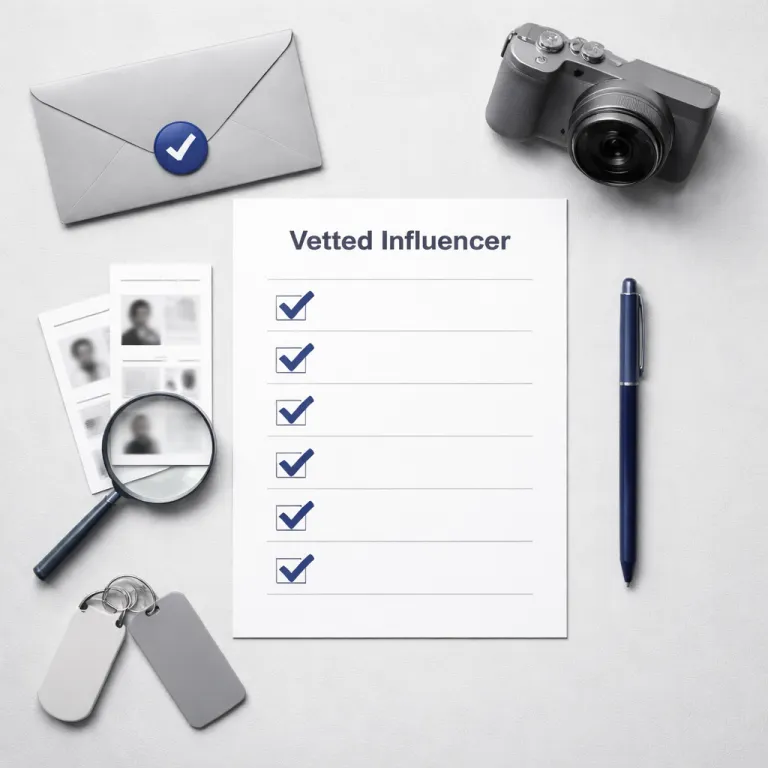
A serious influencer campaign in hospitality starts with a six point manual audit that no AI platform can fully replace. The first two checks focus on the follower growth curve and the comment to like ratio, because these simple graphs often reveal whether influencers do or do not have real people behind their follower counts. For clarity, growth percentage is calculated as (new followers during period ÷ followers at start of period) × 100. When a creator’s followers chart on Instagram or TikTok shows a smooth, steady climb of no more than about 5–10 % week-on-week, hotels can usually trust that the audience is organic, while sudden vertical spikes above 20–30 % in a single day without a viral post often signal purchased followers that will never become potential guests.
The second signal is comment quality, which goes beyond raw engagement rate and into the texture of the generated content around each post. A healthy hotel influencer account shows comments that reference specific details of the hotel experience, ask about room types, or mention travel dates, while engagement pods leave generic emojis and short “love this” replies that repeat across influencers. As a practical rule of thumb, aim for at least one substantive comment for every 20–30 likes; when you see the same usernames commenting identical phrases on multiple creators, your influencer marketing radar should light up, because those comments rarely come from a real target audience likely to book hotels.
The remaining four checks focus on geo match, audience age match, brand collaboration history and AI content ratio, and each one protects a different part of the hotel P&L. Geo match ensures that a hotel in Paris does not waste budget on influencers whose audience is 80 % in markets that will never travel to France, while age match confirms that a luxury spa resort is not speaking mostly to teenagers. Geo and age data can be pulled from native platform analytics (Instagram Insights, TikTok Analytics, YouTube Studio) or third-party dashboards by exporting audience reports and checking the top three countries and age brackets. Brand collaboration history shows whether this creator has worked with hospitality brands or only with unrelated brands, and a quick scan of type content and AI generated content helps a GM judge whether the influencer content feels human enough to carry the hotel brand with credibility while still respecting platform disclosure rules and local advertising standards.
Sample manual vetting checklist for hotel teams
- Follower growth curve screenshot: steady line, no unexplained spikes above 20–30 % in a single day.
- Comment examples: at least several comments per post mention rooms, dates or location, with roughly 1 detailed comment per 20–30 likes.
- Geo data: top 3 countries or cities match your key feeder markets and represent at least 60–70 % of total followers.
- Audience age: majority of followers sit within your core booking demographics (for many hotels, 25–54).
- Past collaborations: at least a few hotel or travel partners with visible results or saved story highlights.
- AI content ratio: limited obviously synthetic visuals or captions in recent posts (for example, under 20 % of the last 30 posts).
To make this repeatable, hotel teams can turn the list above into a simple one-page template or downloadable worksheet: one column for each of the six checks, one column for screenshots or links, and a final “approve / decline / review later” decision so every influencer campaign in hospitality passes through the same documented process; a basic internal PDF or spreadsheet with example screenshots from Instagram, TikTok and YouTube helps standardize how different managers interpret the same data.
Reading growth curves, comments and geo data like a revenue manager
To run an effective influencer campaign in hospitality, a GM should read creator analytics with the same discipline used on daily pick up reports. When you inspect the follower growth curve, a long plateau followed by a sharp but explainable rise often reflects an organic viral moment, such as a reel about a unique hotel experience that reached new travel audiences. In contrast, repeated unnatural spikes without corresponding post performance usually mean that influencers drove their growth through paid followers, which inflates brand awareness metrics while leaving bookings flat.
Comment to like ratio is another underused signal that hotel teams can review without any paid tool or agency. A healthy influencer content pattern in travel shows a meaningful share of comments relative to likes, with followers asking about rates, room categories, or the best time to visit, which indicates that the audience is leaning toward becoming potential guests. When likes are high but comments are almost non existent, or when comments are short, repetitive and posted within seconds of each other, you may be looking at engagement pods rather than a real audience; a simple way to check is to sample 10 recent posts, calculate comments divided by likes for each, and flag any creator whose median ratio falls close to zero or whose comments cluster within the first 60 seconds.
Geo and age match are especially critical for hotels that rely on specific feeder markets, because influencer campaigns only work when the audience can realistically travel. A US beach hotel that partners with a micro influencer whose followers are mostly in Europe will struggle to convert, while a micro influencers collective focused on domestic road trip travel can fill shoulder dates. Treat these checks as non negotiable filters before you even review creative style, because no amount of beautiful content will fix a misaligned target audience; in practice, that means pulling an audience report, confirming that at least half of followers sit in reachable markets and that your primary booking age bands are well represented, then saving a screenshot in your vetting template so revenue, marketing and legal teams can review the same evidence.
Illustrative example: a 120 room city hotel partnered with a mid tier travel creator whose audience was 70 % in drive markets and 60 % aged 25 to 44. Over a four week campaign in Q2 2023, tracked promo codes and direct sessions from the creator’s links contributed to 85 incremental room nights and a measurable lift in midweek occupancy, while a previous collaboration in late 2022 with a larger but poorly matched influencer had delivered strong reach but fewer than 10 attributable bookings. An internal analytics screenshot from the hotel’s dashboard showed a clear spike in direct sessions from the creator’s UTM-tagged URLs, aligned with a step change in midweek RevPAR, which helped the GM justify expanding the partnership.
From AI discovery to human verification and long term partnerships
AI discovery platforms are powerful for mapping the influencer universe in hospitality, but they cannot replace human judgment on fit and fraud. They excel at surfacing thousands of creators who post travel content, rank by engagement and cluster by interests, which gives hotel marketing teams a starting list for influencer campaigns. The risk is that teams stop there, trusting dashboards instead of applying the six point manual check that protects both the hotel brand and the privacy policy commitments made to guests.
A disciplined influencer campaign in hospitality uses platforms for scale and humans for nuance, with clear handoffs between agency, platform and in house marketing. Agencies can own the heavy lifting on data pulls, initial fraud flags and contract management, while the hotel CMO and GM retain final say on brand alignment, hotel experience accuracy and long term partnership potential. This balance ensures that influencer marketing remains accountable to business KPIs rather than to vanity metrics that look good on social media but do not move bookings, and it also keeps responsibility for legal disclosures, consent language and data sharing agreements clearly assigned.
Once a creator passes verification, the focus shifts from one off posts to long term collaboration that feels authentic to followers and efficient for hotels. A hotel that nurtures a small bench of trusted micro influencers and at least one hotel influencer as an ongoing creator partner will see compounding returns in brand awareness, generated content volume and audience trust. Over time, these creators become extensions of the hotel team, shaping the type content that potential guests see first when they research travel and hospitality brands online; a simple internal “creator profile” document with screenshots of best performing posts, audience stats and campaign outcomes helps keep these partnerships structured and measurable.
Translating vetted creators into measurable hotel performance
Vetting is only half the story; the other half is turning a strong influencer campaign in hospitality into measurable revenue. A GM should treat each campaign as a case study in how influencer content moves a specific audience from inspiration to booking, tracking everything from swipe ups to promo code usage to direct website sessions. When influencer marketing is wired into analytics and CRM, hotels can see which creators actually shift demand, not just generate likes, by comparing baseline performance with campaign periods and reviewing simple before-and-after charts or screenshots from their analytics platform.
For hospitality brands, the most effective marketing campaigns link creator storytelling tightly to the hotel experience that guests will actually receive on property. That means briefing influencers clearly on room categories, F&B concepts and service rituals, then aligning each post with landing pages that convert interest into reservations. When influencers don their role as co storytellers rather than as tourists on a free stay, the generated content feels grounded, and potential guests can picture themselves in the scene.
Over time, hotels that codify this full funnel approach build a repeatable playbook for influencer campaigns that the GM can trust. They know which micro influencer segments drive midweek occupancy, which hotel influencer partners lift brand awareness in new markets and which type content performs best on each social media channel. That level of clarity turns influencer marketing from an experimental line item into a strategic lever that will support both short term revenue goals and long term brand equity in hospitality.
Key quantitative statistics for influencer vetting in hospitality
- Consumers trusting influencer recommendations reach about 92 % according to widely cited Nielsen research on advertising trust (for instance, the 2021 global “Trust in Advertising” report surveyed more than 40 000 consumers in over 50 countries and asked respondents to rate how much they trust different ad formats, including recommendations from people they know and from online creators), which explains the strategic weight of influencer marketing for hotels; this figure is typically derived from survey respondents rating how much they trust different ad formats, including recommendations from people they follow.
- Marketers working with micro influencers represent roughly 64 % of surveyed professionals in recent HubSpot research on creator marketing (for example, the 2023 HubSpot “State of Influencer Marketing” report polled more than 1 200 marketers across industries and asked which creator tiers they prioritize), reflecting the shift toward smaller but more engaged audiences; this percentage comes from aggregating responses on preferred creator tiers across thousands of marketing teams.
- Engagement rate benchmarks for travel micro influencers typically range from 3 to 6 % or higher, while rates below 1 % are widely viewed as a red flag for audience quality and potential fraud; these benchmarks are calculated as total interactions (likes, comments, shares and saves) divided by follower count, multiplied by 100, across large samples of travel accounts.
- Travel micro influencers between 10 000 and 250 000 followers often deliver engagement rates around 6.15 to 6.76 %, compared with roughly 1 to 2 % for larger accounts, according to aggregated industry benchmark studies that group creators by follower band and average their performance; platform-specific analyses usually draw on datasets of tens of thousands of Instagram, TikTok and YouTube profiles.
- More than 70 % of online audiences report concerns about authenticity and fraud in social media content, making rigorous influencer vetting a brand safety requirement for hospitality brands; this figure is typically drawn from consumer sentiment surveys asking respondents how worried they are about fake followers, misleading posts and undisclosed sponsorships, and it reinforces the need for clear disclosure labels and compliance with privacy regulations such as GDPR when handling audience data.
Frequently asked questions about influencer campaign hospitality
What is influencer marketing in hospitality ?
Influencer marketing in hospitality refers to structured collaborations between hotels, resorts and other hospitality brands and influencers who create travel related content for their followers. The goal is to showcase a specific hotel experience through authentic storytelling on social media and other media channels, then convert that attention into qualified website visits and bookings. These collaborations can range from one off stays with a single post to long term ambassador programs with multiple creators and detailed performance tracking, provided that posts include clear sponsorship disclosures in line with FTC and local advertising guidelines.
Why are micro influencers often preferred by hotels ?
Hotels frequently prefer micro influencers because their audiences tend to be more engaged, more niche and more trusting than those of very large creators. Engagement rates for travel focused micro influencers often sit between 3 and 6 % or higher, which means a greater share of followers interact with each post and are more likely to become potential guests. For a GM focused on measurable ROI, a smaller creator whose audience actually books rooms is more valuable than a celebrity whose followers only like the content, especially when analytics screenshots show clear spikes in direct traffic and bookings during campaign windows.
How should a hotel measure the success of an influencer campaign ?
A hotel should measure the success of an influencer campaign through a mix of engagement metrics, traffic data and revenue outcomes. On the upper funnel, teams track impressions, saves, shares and comment quality to understand brand awareness and audience interest, while mid funnel metrics include website sessions from influencer links and time spent on key pages. At the bottom of the funnel, the GM and revenue team look at bookings, revenue per available room influenced by the campaign and overall ROI compared with other marketing channels, ideally supported by simple dashboards or exported reports that visualize the impact.
What manual checks are essential before approving a creator partnership ?
Before approving any creator partnership, hotel teams should review the follower growth curve, comment to like ratio, geographic audience match, audience age match, brand collaboration history and the ratio of AI generated content to human created content. These six checks help identify purchased followers, engagement pods, irrelevant audiences and creators whose style does not fit the hotel brand. When applied consistently, this framework reduces fraud risk and ensures that influencer campaigns reach people who can realistically become guests, while giving CMOs a clear, repeatable checklist they can document and share internally.
How can hotels balance agency support with in house control on influencer campaigns ?
Hotels can balance agency support with in house control by clearly defining which tasks each party owns across the influencer campaign lifecycle. Agencies or platforms can handle discovery, initial vetting, rate negotiation and reporting dashboards, while the hotel CMO and GM retain authority over final creator selection, brand fit, on property experience design and long term partnership strategy. This division of responsibilities keeps influencer marketing efficient at scale while protecting the hotel’s brand standards, privacy policy commitments and commercial objectives, and it ensures that every influencer campaign in hospitality is grounded in both data and human judgment, including compliance with disclosure rules and data protection laws.