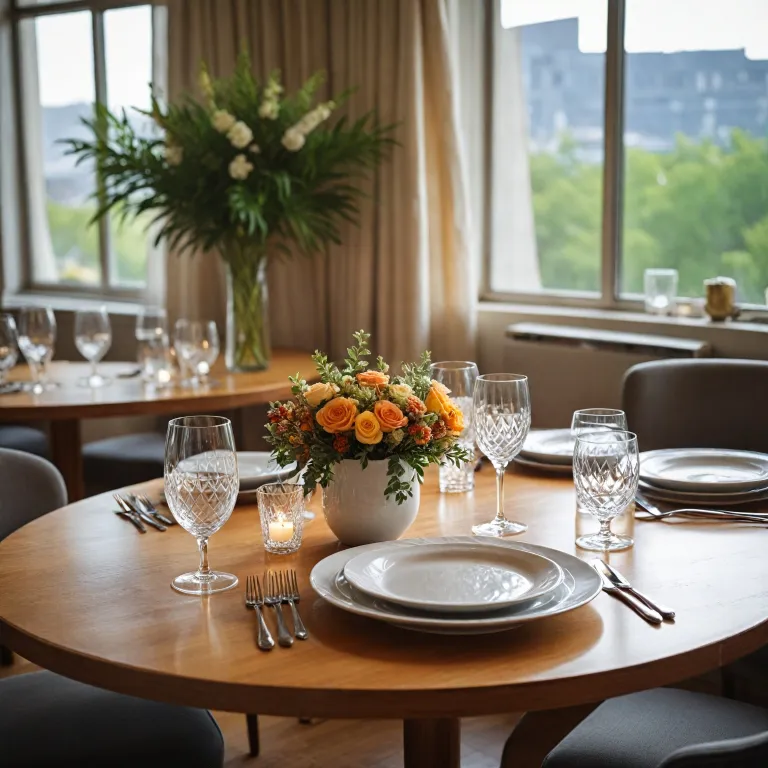
Why hospitality photography is now the language of influence
In hospitality, photography has become the primary language of influence. For B2B content creators and travel influencers, every hotel and restaurant now competes on the strength of its images, not only on its location or star rating. When hospitality photography aligns with brand strategy, it turns casual scrollers into potential guests ready to book.
Hospitality businesses increasingly treat each visual project as a strategic asset. A hospitality photographer is briefed like a creative director, expected to capture essence, atmosphere, and design architecture with precision and consistency. This shift means photographers and agencies must understand how photos will perform across social media, restaurant menus, and booking platforms.
Professional hospitality photographers know that one strong portfolio can reposition a business. Their work blends architectural photography, lifestyle images, and photography food to show how guests actually live a stay, not just sleep in hotel rooms. When a photographer understands the hospitality context, every capture supports revenue goals, brand equity, and long term loyalty.
For hotels resorts and resorts restaurants, the stakes are high. Visual content is now central to hospitality marketing, and hospitality photography is no longer a decorative extra but a measurable business lever. As one expert summary states, “Photography focusing on hotels, resorts, and restaurants.”
Hospitality photographers and event photographers collaborate with marketing agencies, interior designers, and hospitality consultants. Together they build a coherent visual narrative where each set of images supports a specific audience, from corporate event planners to leisure guests. In this environment, the best hospitality images function as both editorial storytelling and high performance advertising.
Designing a visual brief that captures the unique atmosphere
A precise visual brief is the foundation of effective hospitality photography. Before any photographer arrives on site, brands should define which type of guests they want to attract and which business objectives the images must support. This clarity helps the hospitality photographer capture essence rather than generic views of hotel rooms and lobbies.
For hotels resorts and restaurant hotel concepts, the brief should map every space and every angle. It must specify which design architecture details matter most, from lobby art to terrace view and from spa lighting to restaurant table settings. When photography hospitality is guided by such detail, the resulting photos feel intentional and aligned with the brand promise.
Agencies and B2B creators should also plan for multiple content formats. A single project may require wide architectural photography for websites, vertical images for social media, and close up photography food shots for restaurant menus and food beverage campaigns. Each set of images should be framed to work in both singular and plural uses, from one hero photo to carousels of images.
Natural light is a critical part of the brief. Hospitality photographers need to know the best times to capture the unique atmosphere of a restaurant, bar, or pool deck. Schedule shoots during off peak hours, and ensure all areas are photo ready so that the photographer understands how to move quickly between spaces.
Finally, the brief should anticipate event photographers needs. If the hotel hosts an event, the photography must show real guests, authentic interactions, and the atmosphere of the business in motion. This approach turns each event into a live content lab, generating photos that enrich the long term portfolio of the hotel and restaurant.
From hotel rooms to restaurant menus : mastering light, space, and food
Technical mastery is what separates average hospitality photography from the best hospitality visual storytelling. In hotel rooms, photographers must balance natural light with artificial sources to avoid harsh contrasts and color casts. A hospitality photographer who understands light can capture essence while preserving the true design architecture of the space.
Architectural photography for hotels resorts demands careful control of vertical lines and perspective. Wide lenses reveal the full view of suites, lobbies, and corridors, but they must be used with restraint to avoid distortion that misleads potential guests. When photography hospitality respects reality, guests arrive and feel that the images and the atmosphere match.
Restaurants and bars require a different type of attention. Photography food for restaurant menus must show food beverage items with texture, freshness, and appetizing color, while still fitting the overall hospitality photography style of the property. Close up photos of dishes, drinks, and table details can be combined with wider images of guests enjoying the unique atmosphere.
Event photographers working in hospitality settings face additional challenges. They must capture fast moving moments, emotional expressions, and the energy of the business during conferences, weddings, or brand launches. Their work produces images that show how the hotel and restaurant function as living social hubs, not static architectural sets.
Across all these contexts, the photographer understands that every capture will live in multiple channels. The same images may appear in social media campaigns, B2B sales decks, and printed restaurant menus. Professional cameras, lighting equipment, and editing software are essential tools, but the strategic eye that connects hotel, restaurant, and guests is what truly elevates hospitality photography.
Social amplification : turning images into influence and bookings
Once the images exist, the real work of social amplification begins. For travel influencers, B2B creators, and hospitality businesses, photography is the raw material that fuels campaigns across social media platforms. When hospitality photography is planned with distribution in mind, each photo becomes a modular asset that can be reused, reframed, and recontextualized.
Hotels resorts and resorts restaurants should structure their portfolio into thematic collections. One set of images might focus on hotel rooms and suites, another on food beverage experiences, and another on event spaces and business facilities. This organization helps agencies and platforms quickly assemble targeted stories for potential guests with different needs.
Influencers and hospitality photographers can collaborate on content that feels native to each platform. Vertical images and short clips work well for stories and reels, while more detailed architectural photography and photography food perform better in long form posts and blogs. For an example of narrative rich visual storytelling, see this guide to elegant places to visit for meaningful travel storytelling.
Hospitality businesses should also integrate user generated photos and images into their strategy. When guests share their own view of a restaurant hotel or pool deck, they validate the official photography and extend the reach of the brand. Integration of user generated content, when curated carefully, reinforces authenticity and strengthens trust.
Data driven teams track how each type of image performs. They measure which photos generate more clicks, longer time on page, and higher conversion among potential guests. Over time, this feedback loop informs future project briefs, ensuring that the best hospitality visuals are not only beautiful but also optimized for influence, engagement, and bookings.
Influence collaborations : aligning creators, event photographers, and brands
Effective influence in hospitality depends on well structured collaborations. When a hospitality photographer, travel influencer, and hotel marketing team align, they can create photography hospitality campaigns that feel both aspirational and credible. Clear agreements on rights, deliverables, and storytelling angles protect every actor and elevate the final work.
For hotels resorts and restaurant hotel properties, co created projects with influencers can refresh an existing portfolio. Influencers bring their own photography style, often emphasizing natural light, candid guests, and behind the scenes moments that capture essence beyond staged images. Hospitality photographers then complement this with controlled architectural photography and photography food that anchors the campaign.
Event photographers play a crucial role in B2B influence. Conferences, product launches, and incentive trips hosted in hospitality venues generate a wealth of photos and images that speak directly to corporate decision makers. These visuals show how the business handles logistics, atmosphere, and service quality for demanding guests.
Agencies should design influence programs that respect the integrity of the hospitality brand. They must brief creators on design architecture, service philosophy, and the specific type of guests the property wants to attract. When the photographer understands these nuances, every capture supports long term positioning rather than short term trends.
Partnerships with marketing agencies, interior designers, and hospitality consultants can further refine these collaborations. Together they ensure that hospitality photography, whether produced by in house photographers or external creators, remains consistent across campaigns. This consistency builds recognition and helps potential guests associate a unique atmosphere with a specific hotel, restaurant, or resort.
Operational excellence : workflows, innovation, and measurable impact
Behind every polished set of hospitality photography lies a disciplined workflow. Professional teams follow a clear timeline that includes pre shoot planning, on site photography, post processing, and delivery of images. This structure allows hospitality photographers and event photographers to work efficiently without disrupting guests or daily business operations.
Scheduling shoots during off peak hours is essential. Hotels, restaurants, and other hospitality businesses must coordinate with staff so that spaces are photo ready, from hotel rooms to restaurant tables and event halls. When operations and photography align, the photographer understands where to move, what to capture, and how to respect the unique atmosphere of each area.
Innovation is reshaping photography hospitality practices. Drones enable aerial architectural photography that shows the full view of hotels resorts, pools, and surrounding landscapes, while virtual tours allow potential guests to explore spaces remotely. Emphasis on authentic guest experiences and integration of user generated images further enrich the visual ecosystem.
The impact of professional photos is now measurable. One key statistic notes an “Increase in bookings with professional photos” of 20 %, illustrating how high quality hospitality photography directly supports revenue. When brands invest in the best hospitality visuals, they enhance online presence, strengthen brand image, and attract more potential guests.
Finally, long term asset management is crucial. Every project should feed a structured portfolio that agencies, platforms, and internal teams can access easily for future campaigns. By treating each capture as part of a living library, hospitality businesses ensure that their photography, from restaurant menus to event campaigns, continues to work for them across seasons and channels.
Key statistics on hospitality photography performance
- Increase in bookings with professional photos : 20 % according to a hospitality marketing study.
- Typical duration of a full scale hospitality photoshoot : between 1 and 3 days depending on property size.
- Core objectives of hospitality photography services : showcase venue aesthetics, highlight guest experiences, and enhance marketing materials.
- Primary expected impact of professional hospitality images : improved brand image and increased revenue for hotels, resorts, and restaurants.
Essential questions about hospitality photography
What is hospitality photography ?
Hospitality photography is a specialized field that focuses on hotels, resorts, and restaurants, using architectural, lifestyle, and food imagery to communicate the atmosphere and services of a property. It aims to capture essence in a way that is both visually compelling and commercially effective. This type of photography supports marketing, sales, and influence strategies across digital and offline channels.
Why is professional photography important for hotels ?
Professional photography is important for hotels because it enhances marketing and attracts more guests. High quality images of hotel rooms, public spaces, and food beverage offerings help potential guests imagine themselves on site, which increases the likelihood of bookings. Consistent, well produced visuals also strengthen brand positioning and trust.
How much does hospitality photography cost ?
The cost of hospitality photography varies based on scope and photographer. Factors include the number of spaces to shoot, the complexity of lighting, the need for models or stylists, and the expected usage rights across social media and other platforms. Larger hotels resorts and complex restaurant hotel projects typically require higher budgets to cover extended shooting days and post production.
What should be included in a hospitality photoshoot ?
A hospitality photoshoot should include interiors, exteriors, amenities, and lifestyle shots. Hotels and restaurants should plan coverage of hotel rooms, lobbies, pools, spas, restaurants, bars, and event spaces, as well as photography food for restaurant menus. Including real or staged guests helps convey the unique atmosphere and service style of the business.
How long does a hospitality photoshoot take ?
The duration of a hospitality photoshoot depends on property size ; typically 1 to 3 days are required for a standard hotel with several outlets. Large resorts restaurants with extensive grounds and multiple event venues may need additional days, especially if natural light conditions vary across spaces. Careful planning of the shooting schedule ensures minimal disruption to guests and operations.