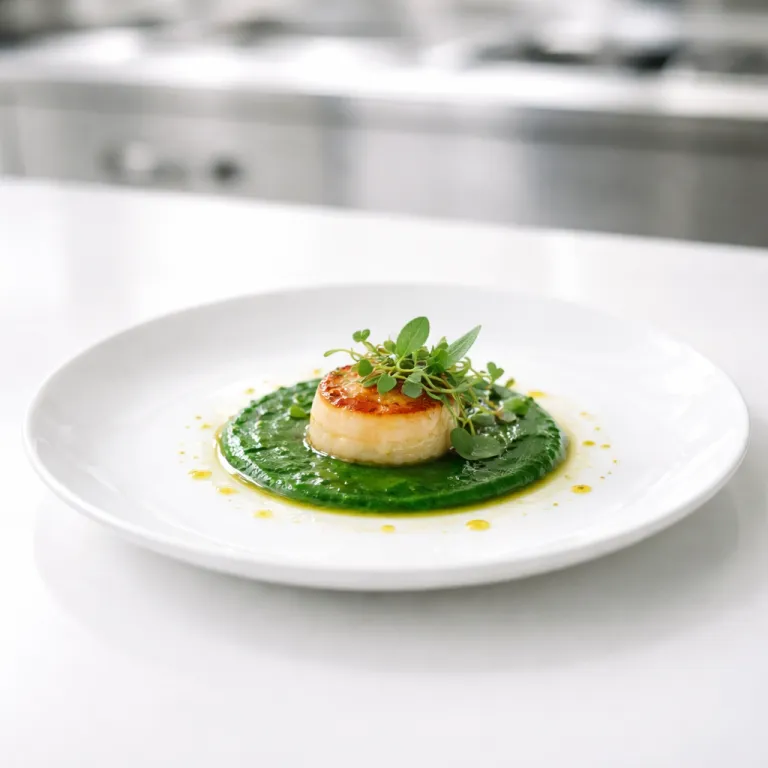
The cook line as a live stage for hospitality storytelling
In contemporary hospitality, the cook line has evolved into a live stage where brand narratives unfold in real time. For B2B content creators and travel influencers, this narrow line between kitchen and front of house offers a rare, unfiltered view of cooking food under pressure, where every gesture of a chef and every plated dish can become premium content. When a cook works at a visible station, the restaurant suddenly gains a broadcast studio, a commercial kitchen and a social media set all at once.
Understanding the rhythm of this line service is essential for credible storytelling, because the cook line is not a backdrop but the operational heart where kitchen staff, from station chef to chef de partie, coordinate every prep and service move. A single cook assigned to the grill station may handle a wide range of ingredients, from fruits and vegetables to complex proteins, while line cooks and prep cooks synchronize their work to maintain food safety and consistency. This choreography of cooks and equipment is what audiences intuitively recognize as authentic culinary work, and it is where influence can be anchored in real skills rather than surface aesthetics.
For hospitality brands, inviting creators into this environment requires respect for the term “line cook” and the professional standards it implies, including formal education from culinary school or equivalent experience. The cook line is where commercial objectives meet craft, where cooking techniques, menu engineering and guest expectations converge into a single plated dish. When creators frame this space with care, they elevate both the restaurant and the profession, turning operational excellence into a compelling, trust building narrative.
Translating kitchen skills into high value content formats
To transform the cook line into a strategic content asset, creators must first understand the specific skills that define each station. A line cook prepares specific dishes or works a particular station during service, and this clear role definition helps agencies and hotel brands script content that respects real workflows. When a prep cook handles ingredients ahead of service, while a chef de partie leads a station during peak hours, the contrast between quiet prep and intense cooking food becomes a powerful storytelling arc.
Video formats that follow a cook assigned to sauté or grill through an entire shift can highlight how a cook works with equipment, recipes and food safety protocols in a commercial kitchen. Short vertical clips can focus on knife skills with fruits and vegetables, while longer B2B pieces can explain how kitchen staff coordinate with front of house teams to maintain timing and line service quality. For platforms that prioritize education, creators can show how formal education from culinary school translates into real world decisions on the cook line, from portioning ingredients to calibrating heat for each dish.
Brands and agencies should map each content format to a specific moment on the line, whether it is mise en place, active cooking or plating. Strategic planners who want to determine on which social network they should share content most frequently can use resources such as guides to channel selection and posting cadence. By aligning platform strengths with the natural rhythm of kitchen work, creators turn everyday cooking into a structured, measurable influence program.
From back of house to brand front line
The traditional separation between back of house and front of house is dissolving as hotels and resorts redesign spaces to showcase the cook line. Open kitchen concepts allow guests to watch a chef at work, while creators capture how line cooks and prep cooks transform raw ingredients into finished food in a matter of minutes. This visibility turns every station into a micro stage, where a station chef or chef de partie can embody the restaurant’s culinary identity.
For employer branding and talent attraction, showing how a cook works within a supportive kitchen staff culture is increasingly important to hospitality groups. Agencies can build campaigns that highlight the career path from prep cook to line cook and eventually to chef, emphasizing both formal education and on the job learning. Resources such as specialized employer branding strategies for hospitality influence help brands frame the cook line as a place of opportunity, not just pressure.
When creators film the commercial kitchen during service, they should pay attention to how equipment, food safety routines and communication systems support a wide range of dishes. A single line cook may handle both fruits and vegetables and complex sauces, while coordinating with other line cooks to keep the line service flowing. By narrating these interactions with precision, content creators and platforms show that influence in hospitality is grounded in real work, real skills and real responsibility, not staged perfection.
Designing creator access without disrupting kitchen operations
Granting creators access to the cook line requires meticulous planning, because any disruption to kitchen work can compromise service quality and food safety. Hotel brands and restaurants should define clear zones around each station, specifying where a cook works and where a camera can safely move during prep and service. This zoning respects the responsibilities of line cooks, prep cooks and station chefs, while still allowing creators to capture compelling footage of cooking food in a commercial kitchen.
Agencies should collaborate with the head chef and kitchen staff to schedule filming around the natural rhythm of the line, using quieter prep windows for close ups of ingredients and equipment. During peak restaurant service, creators can switch to longer lenses or fixed positions that show the entire cook line, highlighting how each cook assigned to a station contributes to the flow. This approach protects the integrity of each dish while still revealing the intensity and coordination that define professional culinary work.
Clear briefings are essential so that every chef, line cook and prep cook understands when filming will occur and what content will be captured. This transparency helps align expectations between front of house, back of house and the communication team, reducing friction and building trust. When creators respect the term “line cook” as a professional designation, and when brands respect formal education and on the job skills, the result is content that amplifies both the restaurant and the people who sustain its cook line every day.
Metrics, KPIs and the value of operational authenticity
For B2B content creators and hospitality marketers, the cook line is not only a visual asset but also a measurable driver of engagement and brand equity. Audiences respond strongly to operational authenticity, especially when they see a chef and line cooks handling ingredients with confidence and care. “A line cook prepares specific dishes or works a particular station during service.”
To translate this authenticity into KPIs, agencies can track how content featuring the commercial kitchen and kitchen staff performs against posts focused solely on décor or front of house experiences. Metrics such as view through rates, saves and shares often increase when viewers watch a cook works under pressure, plating a dish in real time. Case studies show that sequences featuring fruits and vegetables being transformed on the cook line, or a prep cook organizing equipment and ingredients before service, can significantly extend viewing duration.
Strategists should also monitor qualitative signals, such as comments that reference specific skills, techniques or the term “line cook” itself. When viewers ask about culinary school, chef de partie roles or food safety practices, it indicates that the content has positioned the restaurant as a credible culinary authority. For deeper strategic planning, hospitality brands can consult analyses of social media trends shaping hospitality influence and amplification, then adapt those insights to the unique dynamics of their own cook line and restaurant concept.
Building long term creator partnerships around the cook line
Long term partnerships between hospitality brands and creators are most effective when they are anchored in the ongoing life of the cook line. Rather than one off visits, agencies can design recurring formats that follow a chef, line cook or prep cook across seasons, menu changes and new equipment rollouts. This continuity allows audiences to appreciate the evolution of skills, the refinement of each dish and the growing cohesion of the kitchen staff.
Contracts should clearly define access to the commercial kitchen, expectations around food safety representation and the portrayal of front of house interactions. When a cook assigned to a specific station becomes a recurring character, viewers begin to understand how that station chef contributes to the restaurant’s identity and service standards. Over time, this narrative can highlight formal education paths such as culinary school, as well as informal mentoring between experienced line cooks and newer prep cooks.
For creators, specializing in content that focuses on the cook line and line service can become a distinctive niche within travel and hospitality influence. By mastering the language of ingredients, equipment and kitchen work, they can serve both B2B and consumer audiences with equal credibility. In this model, the cook line is no longer just a physical line in a kitchen, but a strategic line connecting commercial objectives, culinary excellence and social amplification across a wide range of platforms.
Key quantitative insights on line cooks and kitchen operations
- The average hourly wage for a line cook is approximately 15 USD, reflecting the growing recognition of skilled kitchen work in commercial environments.
- Industry data indicates an increased demand for skilled line cooks, driven by the expansion of restaurant concepts and hotel food and beverage programs.
- There is a sustained emphasis on culinary education, including formal education in culinary school and structured on the job training for line cooks and prep cooks.
- Operational strategies increasingly focus on kitchen efficiency, optimizing the cook line layout, equipment and station design to support faster, safer line service.
Frequently asked questions about the cook line and influence
What is a line cook in the context of hospitality influence ?
A line cook is responsible for preparing specific dishes or working a particular station during service, and in the context of hospitality influence this role becomes a focal point for authentic storytelling. When creators film a line cook at work on the cook line, they capture the precision, timing and coordination that define professional kitchen operations. This visibility helps audiences understand how each dish moves from prep to plate within a commercial kitchen.
What are the duties of a line cook during a filmed service ?
The duties of a line cook remain consistent whether or not cameras are present, including preparing dishes according to recipes, maintaining cleanliness and ensuring timely service. During a filmed service, the line cook must also stay aware of camera positions to maintain food safety and avoid disruptions to the station. Creators and brands should design filming plans that respect these duties, allowing the cook to focus on cooking food while still capturing engaging content.
What skills are required for a line cook featured in content ?
Skills required for a line cook include solid cooking techniques, time management and teamwork, all of which become visible when the cook line is filmed. A featured line cook should be comfortable working under pressure, coordinating with kitchen staff and front of house teams while maintaining consistent quality. For B2B audiences, highlighting these skills in content demonstrates the operational excellence behind each restaurant or hotel food concept.
How does a typical shift structure affect creator access to the cook line ?
A typical shift for a line cook includes a start phase focused on setting up the station, a service phase dedicated to preparing dishes and an end phase for cleaning and resetting. Creators should align their access with these phases, using the prep window for detailed shots of ingredients and equipment, and the service window for dynamic footage of cooking food. Respecting this timeline ensures that content capture does not interfere with the core responsibilities of the cook and the wider kitchen staff.
Why is there increased demand for skilled line cooks in hospitality content ?
The increased demand for skilled line cooks in hospitality operations naturally extends to content, because audiences are drawn to professionals who demonstrate mastery on the cook line. As restaurants and hotels expand their culinary offerings, they rely on line cooks and prep cooks with strong skills and formal education to maintain standards. Featuring these professionals in creator campaigns reinforces the credibility of the brand and aligns influence with real culinary expertise.