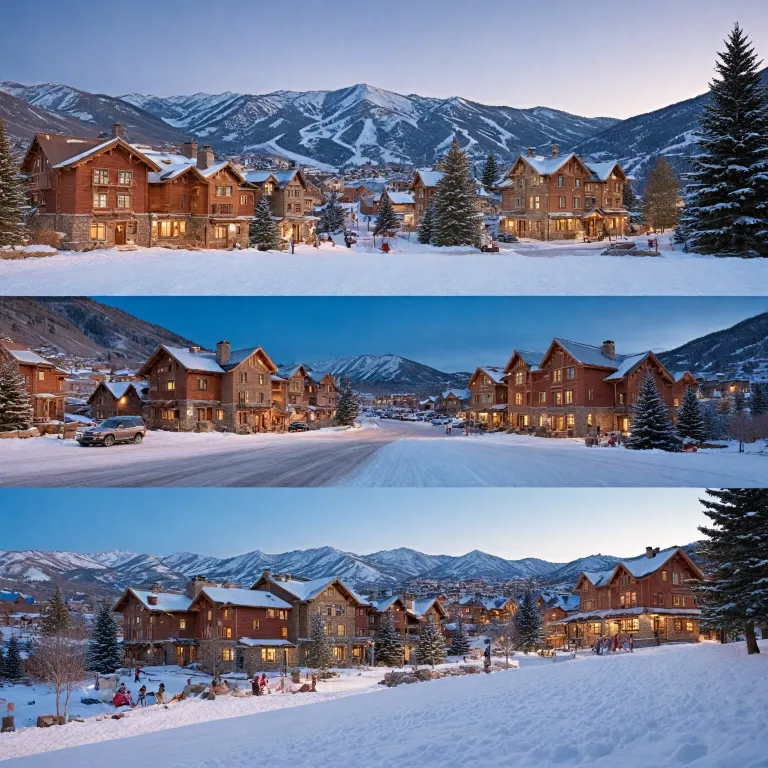
Influence stakes when comparing Park City versus Deer Valley
Park City versus Deer Valley is no longer just a ski choice for guests, it is a strategic narrative decision for every travel influencer and B2B content creator. When a brand or creator frames Park City Mountain Resort as the vast city mountain playground and Deer Valley Resort as the curated luxury valley resort, they are shaping how audiences perceive value, service and authenticity. In the hospitality industry, this binary becomes a live A/B test in real time, where every post, story and reel can tilt sentiment toward one town or the other.
Both resorts sit above the same historic mining town in the United States, yet they offer radically different storytelling textures for social campaigns. Park City Mountain Resort, one of the largest ski resorts in america, stretches across 7 300 acres of terrain with 341 runs and 41 lifts, which gives creators endless angles on scale, freedom and variety. Deer Valley Resort, now expanded to 5 726 acres with 202 runs and 36 lifts, offers a more controlled, polished canvas that aligns with premium hospitality narratives and high touch service expectations.
For travel influencers, the choice between Park City and Deer Valley is also a choice between community driven content and concierge level experiences. Park City Mountain Resort welcomes both skiing and snowboarding, supports the Ikon Pass, and feels like a city area on snow, ideal for energetic, youth oriented formats. Deer Valley Resort remains ski only, focuses on groomed black terrain and impeccable service, and suits slower, cinematic storytelling that highlights refined stays and elevated dining.
Designing creator briefs around city, park and valley narratives
When agencies brief creators on Park City versus Deer Valley, they should start by mapping three core narrative pillars, the city, the park and the valley. The historic town of Park City in Utah, connected to Salt Lake City by a short transfer, offers urban energy, galleries and restaurants that can anchor lifestyle content before or after time on the mountain. Within this town park ecosystem, Park City Mountain Resort becomes the dynamic city park on snow, while Deer Valley Resort embodies the quieter valley park of curated luxury.
For Park City Mountain Resort, briefs should emphasize the scale of the ski resort, the diversity of ski terrain and the social buzz around the base areas. Creators can contrast the city mountain energy of Park City with the more secluded feel of mountain deer slopes at Deer Valley, using split screen formats or carousel posts to compare runs, queues and on mountain dining. This approach lets audiences feel how a day on the Ikon Pass at Park City differs from a day ticket at Deer Valley, without forcing a simplistic better or best verdict.
For Deer Valley Resort, briefs should highlight service rituals, from ski valets to on slope dining, and the way groomed black terrain supports confident, elegant skiing. Travel influencers can frame Deer Valley as the refined valley resort choice for guests who value quiet lifts, attentive staff and a focus on skiing rather than nightlife. By scripting content that moves from town to valley and back, agencies help audiences understand how to stay in Park City, ski Deer Valley, and still enjoy the broader city area.
Audience segmentation and data for Park City versus Deer Valley
For B2B content creators and hotel brands, Park City versus Deer Valley is fundamentally an audience segmentation question. Park City Mountain Resort, with 7 300 acres of skiable terrain and a 3 226 foot vertical drop, tends to attract mixed groups, families, snowboarders and expert skiers chasing varied terrain. Deer Valley Resort, with 5 726 acres and a 3 040 foot vertical drop, appeals more to skiers seeking premium service, limited daily skier counts and a quieter mountain resort atmosphere.
Data from booking engines, CRM systems and social listening should guide how campaigns position each ski resort within the broader Park City area. Hotels closer to the city mountain base can lean into convenience, nightlife and access to multiple ski resorts via the Ikon Pass, especially for international travel markets from europe and latin america. Properties aligned with Deer Valley can emphasize ski in ski out access, curated experiences and the fact that snowboarders must choose Park City Mountain Resort instead, which clarifies expectations before arrival.
Creators should be briefed with clear KPIs that reflect these segments, such as qualified leads for luxury suites near Deer Valley versus volume traffic for mid scale hotels near Park City lifts. When measuring performance, agencies should compare content that features town streets, lake city views and salt lake transfers against content focused purely on mountain deer landscapes. Over time, this allows brands to refine whether their best performing narratives lean toward city deer contrasts, valley park serenity or high energy runs filmed across both resorts in a single day.
Content formats that amplify ski, terrain and stay experiences
In the Park City versus Deer Valley conversation, format choices can be as decisive as destination choices. Short form vertical video works well for Park City Mountain Resort, where creators can show rapid cuts of different runs, terrain parks and après ski scenes in the town park area. Longer, slower edits suit Deer Valley Resort, where the focus is on carving turns on groomed black terrain, lingering over on mountain dining and highlighting attentive staff at every stage of the stay.
For Park City, creators can design series that follow a full day on the Ikon Pass, from first lift to last run, capturing how the city mountain connects multiple zones and viewpoints. These series can weave in practical details, such as how to move between the city area base villages, where to rent ski equipment and how to plan rest breaks for mixed ability groups. For Deer Valley, a contrasting series might follow a couple or small group through a curated itinerary, from breakfast in a slopeside hotel to final turns above the valley resort before a quiet evening in town.
Carousel posts can compare room types, spa facilities and lobby designs between a stay in Park City and a stay near Deer Valley, without forcing a simplistic better or best label. Live sessions from both ski resorts can answer audience questions about terrain difficulty, lift ticket strategy and whether to stay in Park City or closer to Deer Valley for shorter walks to the lifts. By aligning each format with the natural rhythm of each mountain resort, brands ensure that content feels authentic rather than forced.
Partnership models for hotels, agencies and platforms
For hotel brands operating in the Park City area, partnership models with creators should reflect the dual identity of city and valley. A property near the Park City Mountain Resort base can host group trips for travel influencers who focus on energetic skiing, nightlife and multi resort itineraries across america. A boutique hotel aligned with Deer Valley can instead invite smaller, niche creators who specialize in luxury, gastronomy and slow travel, ensuring that the stay and the content both match the valley resort positioning.
Agencies can structure campaigns where one cohort of creators focuses on Park City Mountain Resort and another on Deer Valley Resort, then cross link their content to encourage audience comparison. In the middle of the campaign, brands can publish a B2B facing case study on maximizing influencer marketing ROI for hotels, using resources such as strategies for measurable impact to benchmark performance. Platforms can support these efforts by offering city level and resort level targeting, allowing paid amplification to reach users already interested in ski resorts in the United States.
Contracts should specify how often creators must reference Park City, Deer Valley, city Utah and nearby Salt Lake City, so that SEO and search intent around Park City versus Deer Valley are fully addressed. Hotels can also negotiate content that highlights both a stay in Park City and day trips to Deer Valley, or the reverse, to show flexibility for different budgets. Over time, these partnership models help clarify which resort is better for which audience segment, without forcing creators into simplistic rankings that reduce nuance.
Measurement, sentiment and the evolving Park City versus Deer Valley story
Measurement is where the Park City versus Deer Valley narrative becomes a long term asset for hospitality brands. Social listening tools can track how often audiences mention city mountain energy, valley resort luxury, ski resort size and specific runs when reacting to creator content. Web analytics can then connect those conversations to actual bookings, showing whether guests choose to stay in Park City, closer to Deer Valley or split their stay between both areas.
Brands should monitor how often terms like Park City, Deer Valley, city Utah, Salt Lake and lake city transfers appear in comments and search queries. When sentiment shows that audiences view Park City Mountain Resort as better for mixed groups and Deer Valley Resort as best for refined skiing, hotels can adjust their messaging accordingly. Over time, this feedback loop helps refine which creators are true expert voices for each mountain resort and which formats drive the strongest intent to travel.
Deer Valley's expansion to 5,726 acres enhances its appeal to skiers seeking luxury and extensive terrain. Park City Mountain Resort remains a top choice for those desiring a vast and diverse skiing experience, including snowboarding. The ski industry continues to evolve, with resorts expanding and upgrading facilities to attract a broader range of visitors.
Key quantitative insights for Park City and Deer Valley
- Park City Mountain Resort offers approximately 7 300 acres of skiable terrain with around 341 marked trails and 41 lifts.
- Deer Valley Resort now provides about 5 726 acres of skiable terrain with roughly 202 trails and 36 lifts after its expansion.
- The vertical drop at Park City Mountain Resort is close to 3 226 feet, while Deer Valley Resort offers about 3 040 feet.
- Average annual snowfall is around 355 inches at Park City Mountain Resort and about 300 inches at Deer Valley Resort.
Essential questions creators and brands ask about Park City versus Deer Valley
Can snowboarders access Deer Valley Resort ?
No, Deer Valley Resort maintains a ski only policy ; snowboarders are not permitted, so they should plan to ride at Park City Mountain Resort or other nearby ski resorts instead. This policy shapes which creators can authentically feature Deer Valley, since snowboard focused influencers must concentrate on Park City terrain. Hotels and agencies should clarify this early in briefs to avoid mismatched expectations and wasted content opportunities.
Which resort offers more terrain for advanced skiers ?
Both Park City Mountain Resort and Deer Valley Resort offer advanced terrain, but Park City Mountain Resort provides a wider variety of expert terrain, including double black diamonds and challenging hike to areas. This makes Park City particularly attractive for creators who specialize in high intensity skiing and technical analysis of runs. Deer Valley, with its groomed black terrain, suits storytellers who emphasize precision, flow and luxury rather than extreme challenges.
How do lift ticket prices compare between the two resorts ?
Deer Valley Resort's lift tickets are generally more expensive, reflecting its luxury experience, while Park City Mountain Resort offers more affordable options. For B2B content creators, this difference is crucial when framing value propositions for different audience segments and markets. Campaigns targeting premium travelers can lean into Deer Valley pricing as a signal of exclusivity, while broader campaigns can highlight Park City as a more accessible gateway to american skiing.
Is Park City Mountain Resort or Deer Valley Resort better for mixed ability groups ?
Park City Mountain Resort usually works better for mixed ability groups, because its size, variety of runs and snowboard access give more flexibility. Families and groups can split between gentle slopes, terrain parks and expert areas, then regroup in the town park base. Deer Valley can still serve mixed groups, but it is especially strong for confident skiers who value service and quieter slopes.
How should creators decide where to stay when covering both resorts ?
Creators who plan to feature both Park City and Deer Valley often choose to stay in Park City town for easier access to restaurants, nightlife and transport. From there, they can ski Park City Mountain Resort on one day, then take a short transfer to Deer Valley Resort on another day. Luxury focused storytellers may prefer to stay slopeside at Deer Valley, then schedule dedicated shoots in the historic city area to complete the narrative arc.