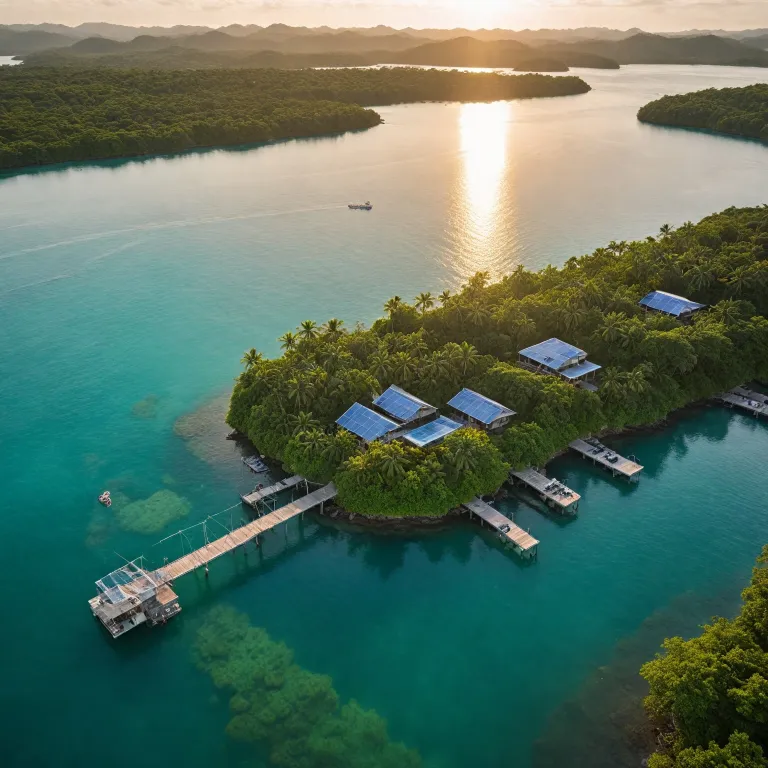
Influence strategies shaped by sustainable island resorts in Panama
In Panama, sustainable island resorts are redefining how hospitality brands work with influence and social amplification. For B2B content creators and travel influencers, these properties turn every stay into an editorially rich experience that blends luxury with measurable eco impact. When a creator lands on a tropical island lodge in the Gulf of Chiriquí or Bocas del Toro, the narrative potential immediately exceeds a standard hotel review.
Resorts such as Red Frog Beach Island Resort, Islas Secas, Urraca Monkey Island, Bocas Bali, Camaroncito EcoResort & Beach, and Tranquilo Bay show how sustainable luxury can be both aspirational and data driven. Each eco resort or eco lodge uses solar power, water purification, and low impact construction to position itself as a credible partner for long term influence programs. For agencies, this means that every sponsored post about sustainable island resorts in Panama can be anchored in verifiable practices rather than vague green claims.
Creators who specialise in travel and nature storytelling gain access to secluded beaches, private overwater villas, and dense mangroves that naturally generate high engagement content. A single stay at a resort in Chiriquí Panama or near Panama City can yield a full funnel of assets, from short form Reels to in depth B2B case studies. When these stories highlight how an eco resort supports local communities and biodiversity, they resonate strongly with audiences across Central America and beyond.
Designing creator programs around eco innovation and measurable impact
For hospitality brands, the most effective influence programs now start with the operational reality of sustainable island resorts in Panama. Islas Secas, for example, powers one hundred percent of its energy consumption with solar, giving creators a concrete proof point to feature in their content. Red Frog Beach Island Resort meets three hundred forty criteria for Green Globe certification, which allows B2B storytellers to frame luxury as rigorously audited sustainability.
These metrics help agencies brief travel influencers on specific eco narratives, from waste reduction to habitat restoration. When a creator films at an eco lodge on a private island near Bocas del Toro Panama, they can show solar panels, water systems, and reforestation projects rather than generic beach shots. This approach aligns with Google’s Helpful Content guidelines because it privileges first hand, verifiable experience over stock imagery and empty adjectives.
Communication agencies can benchmark these Panama eco initiatives against other markets, such as the evolving influence landscape in California hospitality news, using resources like specialised industry analysis. For hotel brands and luxury hotels groups, this comparative view clarifies how sustainable luxury content performs across regions. It also helps platforms and B2B creators refine KPIs that go beyond reach to include bookings, length of stay, and participation in eco activities.
Storytelling frameworks for creators at eco resorts and lodges
Travel influencers working with sustainable island resorts in Panama need storytelling frameworks that balance aspiration with education. A typical narrative arc might follow the guest journey from arrival in Panama City to a boat transfer across the Gulf of Chiriquí or Bocas del Toro. Along the way, creators can highlight how each eco resort or lodge minimises its footprint while elevating the guest experience.
On Isla Palenque, for instance, the combination of dense nature, secluded beaches, and refined service offers a powerful canvas for long form content. When creators reference the Cayuga Collection or similar operators in Costa Rica and Central America, they can contextualise Panama eco practices within a broader regional movement. This cross border perspective is particularly valuable for B2B audiences comparing resort Panama strategies with those in Costa Rica or other tropical island markets.
Within each property, creators can structure content around three pillars, namely nature immersion, community connection, and low impact luxury. A video might move from a sunrise kayak adventure to a behind the scenes look at staff training, then end in a private house or villa powered by renewable energy. For deeper industry context on how such narratives drive bookings and brand equity, professionals can consult case led resources like hospitality influence trend reports.
Aligning brand, agency, and platform expectations around sustainable luxury
One of the central challenges in promoting sustainable island resorts in Panama is aligning expectations between hotel brands, agencies, and social platforms. Luxury hotels and boutique properties in Chiriquí Panama or Bocas del Toro Panama often seek high impact visuals that emphasise design and privacy. Meanwhile, platforms and audiences increasingly reward authenticity, behind the scenes transparency, and clear evidence of eco commitments.
To bridge this gap, agencies can co create content guidelines that specify how often creators should show nature, operations, and guest facing amenities. A balanced grid might include equal parts tropical island landscapes, eco resort infrastructure, and intimate moments in a private villa or lodge. This structure ensures that sustainable luxury is not reduced to a single solar panel shot or a generic beach image, but presented as a holistic, lived experience.
Resources such as hospitality influencer case studies help stakeholders understand which formats best convert interest into bookings. For example, a carousel post explaining how a Panama eco property supports local artisans may drive more qualified leads than a single pool photo. Over time, these insights allow brands and platforms to refine algorithms, paid amplification, and creator compensation models around verifiable impact.
Deep subject focus: building B2B creator ecosystems around Panama’s eco resorts
The most underexplored opportunity in sustainable island resorts in Panama lies in structured B2B creator ecosystems. Rather than commissioning isolated campaigns, hotel groups and eco lodge operators can curate long term cohorts of travel influencers, videographers, and sustainability journalists. These ecosystems function as ongoing editorial teams that document the evolution of each resort, from new reforestation plots to upgraded solar arrays.
In this model, a luxury resort Panama brand in the Gulf of Chiriquí might host recurring residencies for creators focused on nature, science, and community impact. Over several visits, these professionals can track how an eco resort reduces waste, expands local employment, or restores mangroves. The resulting content library becomes a strategic asset for hotels, agencies, and platforms seeking credible, time based narratives rather than one off sponsored posts.
Such ecosystems also enable cross promotion between Panama and Costa Rica, especially when properties share operators like the Cayuga Collection. A creator who has documented sustainable luxury in Costa Rica can bring comparative insights to an island or isla in Panama, enriching both stories. This B2B approach positions travel influencers as long term partners in destination stewardship, not just short term amplifiers of tropical island aesthetics.
From guest experience to advocacy: turning stays into measurable influence
Ultimately, the strength of sustainable island resorts in Panama as influence platforms depends on how effectively they convert guest experience into advocacy. When a traveller stays at an eco resort on a private island near Bocas del Toro or in the Gulf of Chiriquí, every touchpoint can be designed for shareability. Thoughtful details, such as refillable amenities, guided nature walks, and transparent impact dashboards, give guests concrete stories to tell.
As one industry explanation notes, “A sustainable resort implements practices that minimize its environmental impact, such as using renewable energy, reducing waste, conserving water, and supporting local communities.” Another verified insight confirms that “Yes, Panama offers several eco-friendly luxury resorts, including Islas Secas, Bocas Bali, and Isla Palenque, which combine luxury accommodations with sustainable practices.” A final guidance point reminds travellers that “Choose resorts with recognized sustainability certifications, participate in eco-friendly activities, respect local environments, and support local communities during your stay.”
For brands, the objective is to transform this informed guest into a micro influencer whose content complements that of professional creators. When hundreds of such voices share authentic impressions of a lodge, hotel, or resort Panama property, the cumulative effect rivals a major campaign. In this way, sustainable luxury in Central America becomes not only a design choice, but a powerful engine for organic, trust based amplification.
Key sustainability statistics from Panama’s island resorts
- Islas Secas operates with one hundred percent of its energy consumption powered by solar systems, illustrating the feasibility of fully off grid luxury.
- Red Frog Beach Island Resort complies with three hundred forty distinct criteria for Green Globe certification, signalling deep integration of sustainability standards.
- Bocas Bali’s Kupu Kupu Beach extends approximately twenty seven metres in length, demonstrating how even compact coastal developments can prioritise low impact design.
Frequently asked questions about sustainable island resorts in Panama
What makes a resort sustainable ?
A sustainable resort implements practices that minimize its environmental impact, such as using renewable energy, reducing waste, conserving water, and supporting local communities. In Panama, this often includes solar power, rainwater capture, and partnerships with local conservation groups. For creators and agencies, these elements provide concrete proof points for credible storytelling.
Are there eco friendly luxury resorts in Panama ?
Yes, Panama offers several eco friendly luxury resorts, including Islas Secas, Bocas Bali, and Isla Palenque, which combine luxury accommodations with sustainable practices. These properties integrate high end design with renewable energy, low impact construction, and habitat protection. They also provide rich content opportunities for travel influencers focused on responsible tourism.
How can I ensure my stay at a resort is environmentally responsible ?
Choose resorts with recognized sustainability certifications, participate in eco friendly activities, respect local environments, and support local communities during your stay. In Panama, this might mean booking an eco lodge that publishes impact data and employs residents from nearby islands. Guests can further reduce their footprint by limiting single use plastics and joining guided conservation experiences.
Why are sustainable island resorts important for the hospitality industry ?
Sustainable island resorts act as innovation labs where hospitality brands test new eco technologies and guest engagement models. Their success in Panama influences how hotels in other regions integrate solar power, waste reduction, and community partnerships. For B2B creators, these properties offer forward looking case studies that shape industry wide best practices.
How do sustainable resorts collaborate with local communities in Panama ?
Many eco resorts in Panama prioritise hiring locally, sourcing food from nearby producers, and partnering with artisans for decor and guest experiences. Some support education initiatives or conservation projects that protect marine and forest ecosystems around the island. These collaborations strengthen social licence and provide meaningful narratives for influence and social amplification campaigns.