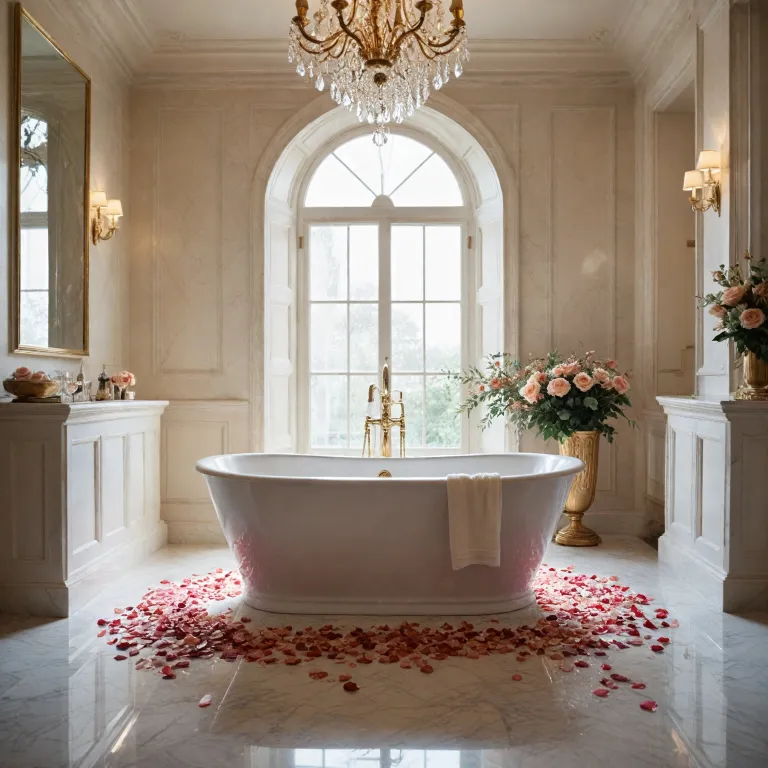
Crystal bathtubs as the new visual language of luxury hospitality
In high end hospitality, crystal bathtubs have become a powerful visual shorthand for rarefied luxury. For B2B content creators and travel influencers, a single image of a crystal bathtub in a panoramic bathroom can outperform an entire room tour in terms of engagement and shareability. When a hotel installs a hand carved crystal tub or a sculpted stone bathtub, it is not only upgrading a bathroom but also investing in a long term content asset for social storytelling. These bathtubs crystal installations turn a regular suite into a semi precious stage where every bath becomes a potential campaign moment. Luxury brands now brief agencies to build narratives around the crystal bathtub as a hero object, rather than treating the bath tub as a secondary amenity in the background.
Crystal bathtubs crafted from natural stone, quartz, or amethyst give creators a tangible focal point that aligns with aspirational wellness and design content. A crystal tub carved from Brazilian quartz or a dramatic amethyst bathtub immediately signals rarity, craftsmanship, and a high price bracket that fascinates audiences. When influencers frame a crystal bath with a sweeping view, they merge architecture, landscape, and ritual into a single, scroll stopping composition that platforms reward with algorithmic amplification. Even a more regular bathtub becomes visually elevated when styled with gemstone accessories, agate details, and natural stone wash basins that echo the language of bathtubs crystal design. For hotels, the crystal bathroom is no longer just a private space but a semi public media set where brand, creator, and guest expectations converge.
Manufacturers such as Crystal Baths, MOMA Design, and Hydro Systems are increasingly referenced in B2B hospitality conversations about content ready fixtures. Crystal Baths focuses on hand carved crystal bathware from Brazilian rock crystal and other rare stones, which positions each crystal bathtub as a collectible object rather than a standard tub. MOMA Design, known for customizable rectangular bathtubs without backrests, offers solutions for confined bathrooms where a free standing crystal tub is impossible, yet a crystal bathroom aesthetic is still desired. Hydro Systems, with its solid surface bathtubs and integrated armrests or seats, allows hotels to balance ergonomic comfort with the visual drama of tubs styled with crystal, gemstone, or agate bathtub accents. For agencies and platforms, understanding these product line differences helps in crafting accurate, high trust narratives around each crystal bath or stone bathtub installation.
From room amenity to content engine : why crystal bathtubs convert
For travel influencers and B2B content creators, crystal bathtubs function as conversion engines because they compress multiple value propositions into one frame. A crystal bathtub signals luxury, wellness, craftsmanship, and exclusivity, while the surrounding bathroom design communicates brand taste and attention to details. When a guest posts an image of a crystal tub filled for an amethyst bath or a quartz bathtub lit by candles, followers perceive both the emotional experience and the implied price tier. This dual perception makes crystal bathtubs particularly effective for social amplification campaigns where hotels seek both reach and qualified leads. In many cases, a single post from a crystal bathroom can outperform a full property carousel that only shows regular rooms and standard bath tubs.
Data from luxury real estate and hospitality consultants indicates that unique fixtures like a natural stone bathtub or a petrified wood tub can materially influence perceived value. When a suite features a free standing stone bathtub or an agate bathtub, the room category often commands a higher regular price and stronger occupancy among design conscious travelers. Crystal bathtubs, especially those carved from natural quartz or amethyst, sit at the apex of this trend because they combine sculpture, spa, and storytelling in one object. Even when hotels cannot invest in a full crystal bathtub, they can integrate tub crystal accents, gemstone inlays, or semi precious stone wash basins to echo the same narrative. For creators, these layered details provide multiple content angles, from macro shots of crystal to wide shots of the bath tubs with a dramatic view.
Influence strategies increasingly treat the crystal bathroom as a micro set where multiple content formats can be produced in a short time. A travel influencer might film a morning routine in a quartz bathtub, a wellness ritual in an amethyst bath, and a design breakdown of the stone bathtub craftsmanship, all within one stay. B2B creators working for hotel brands can capture behind the scenes footage of how a crystal tub is maintained, styled, and lit, which reassures high net worth guests about durability and care. Because natural crystal bathtubs are delicate and require careful maintenance, while synthetic versions offer greater durability and ease of care, transparent communication about materials builds trust. Agencies that script these narratives thoughtfully help hotels justify the price premium of crystal bathtubs while giving platforms rich, high retention content. Over time, this turns a single bathtub beautiful installation into a recurring motif across campaigns, newsletters, and paid media.
Designing crystal bathrooms for creators : light, angles, and narrative
For hotel brands and designers, installing crystal bathtubs without a content strategy is a missed opportunity. The most effective properties treat each crystal bathtub as a mini studio, planning the bathroom layout, natural light, and artificial lighting to support creator workflows. Positioning a free standing crystal tub near a window with a strong view allows influencers to frame both the bath and the landscape in one shot. Integrating LED lighting beneath or behind the crystal bathtub enhances the shimmering effects of quartz or amethyst, especially for evening content. When the crystal bathroom is designed with multiple camera angles in mind, creators can produce diverse assets without moving heavy equipment or compromising guest privacy.
Material selection also shapes how crystal bathtubs perform on camera and how they age under constant use. Amethyst, with a Mohs hardness of 7, offers a balance between visual drama and practical resilience, making an amethyst bathtub or amethyst bath a compelling choice for suites that host frequent influencer stays. Quartz bathtubs, particularly those carved from Brazilian rock crystal, deliver exceptional clarity that responds beautifully to directional light and water reflections. Stone bathtub options in natural stone or petrified wood introduce warmer, organic tones that pair well with spa narratives and slow travel content. By mixing a hero crystal tub with supporting elements like natural stone wash basins and semi precious inlays, designers create a layered crystal bathroom story that feels both curated and authentic.
Agencies should brief creators on how to respect the physical limits of crystal bathtubs while still capturing impactful content. Heavy props, sharp accessories, or abrasive products can damage a crystal bathtub surface, especially when the tub crystal is carved from softer or more porous stone. Hotels can provide styling kits with non abrasive trays, gemstone inspired bath salts, and neutral textiles that complement the crystal bath without risking scratches. Clear guidelines about water temperature, product use, and photography equipment help protect both natural and synthetic bathtubs crystal installations. When hotels share these details proactively, they reinforce their expertise and signal that the bathtub beautiful aesthetic is supported by rigorous operational standards. This combination of visual drama and disciplined care is particularly persuasive for B2B audiences evaluating long term ROI on crystal bathtubs.
Influence frameworks : matching creators to crystal bathtub narratives
Not every influencer is the right fit for a crystal bathtub campaign, and misalignment can dilute both brand and creator equity. Hospitality brands should segment creators by narrative strength, matching wellness focused storytellers to amethyst bath rituals, design specialists to stone bathtub craftsmanship, and adventure travelers to suites where the crystal tub frames a dramatic mountain view. For example, a B2B content creator might focus on the supply chain behind a quartz bathtub carved from a 10 ton Brazilian crystal block, while a lifestyle influencer emphasizes the sensory experience of a long bath. By mapping these narrative archetypes, agencies can ensure that each crystal bathroom is showcased in a way that feels native to the creator’s audience. This approach respects the uniqueness of crystal bathtubs and avoids repetitive, generic content that underutilizes such a high price asset.
Campaign architecture should also consider the diversity of bathtub formats within a property. Some rooms may feature a full crystal bathtub as the centerpiece, while others rely on a free standing stone bathtub or a more regular bathtub styled with semi precious accessories. Communicating these differences clearly helps manage expectations and prevents guest disappointment when a specific crystal tub or agate bathtub is only available in top tier suites. B2B creators can produce comparison content that explains why certain bathtubs crystal installations command a higher regular price, highlighting the rarity of natural stone, the complexity of hand carving, and the operational constraints. This transparency builds trust with both trade partners and end consumers, who increasingly value honest storytelling over exaggerated claims.
To deepen authority, brands can integrate educational content about materials and maintenance into their influence strategy. Short segments explaining that natural crystal bathtubs are delicate and require careful maintenance, while synthetic versions offer greater durability and ease of care, position the hotel as a knowledgeable steward of rare objects. Creators can reference the Mohs hardness of amethyst or the weight of a historic quartz bathtub to anchor their narratives in verifiable facts. Linking to in depth case studies, such as a campaign around alpine suites with statement tubs and panoramic views on a specialized influence and travel platform, reinforces this expertise. Over time, hotels that consistently pair crystal bathtubs with informed, credible creators become reference points for both design media and travel audiences. This reputational halo extends beyond the bathroom, elevating the perceived quality of every tub, bath tub, and bathroom detail on property.
Social amplification tactics around crystal bathtubs and bathrooms
Once a property has invested in crystal bathtubs, the next challenge is orchestrating social amplification that respects both brand positioning and creator autonomy. Hotels can design tiered content packages where invited influencers receive guaranteed access to a specific crystal bathtub or stone bathtub suite in exchange for a minimum number of posts and stories. Within these frameworks, creators retain freedom over how they frame the crystal tub, whether focusing on a sunrise bath, a nighttime quartz bathtub ritual, or a design centric tour of the crystal bathroom. Clear guidelines on tagging, music rights, and disclosure ensure compliance while still allowing organic storytelling. When executed well, this approach turns each stay into a structured yet flexible content sprint centered on the bathtub beautiful hero piece.
Paid amplification can extend the lifespan of high performing crystal bath content across platforms. Hotels and agencies should monitor which posts featuring crystal bathtubs, amethyst bathtubs, or agate bathtubs generate the strongest saves, shares, and click through rates, then negotiate whitelisting rights with creators. These assets can be repurposed into targeted ads that highlight the price value equation of booking a suite with a free standing stone bathtub or a semi precious crystal tub. B2B content creators can also adapt the same footage into LinkedIn native videos or case studies that speak to developers, designers, and investors. By aligning organic influence with paid media, brands ensure that their investment in bathtubs crystal installations yields measurable returns across both consumer and professional audiences.
Community building around crystal bathtubs requires consistent, multi format storytelling rather than one off hero posts. Hotels can host live sessions where designers explain the process of sourcing natural stone, carving tub crystal forms, and integrating wash basins and bath tubs into cohesive bathroom schemes. Travel influencers might lead virtual tours of suites, pausing to show the details of a quartz bathtub, the grain of petrified wood, or the way light moves through an amethyst bath. User generated content contests that invite guests to share their most creative yet respectful bathtub beautiful moments can further extend reach. Over time, the crystal bathroom becomes a recognizable signature of the brand, with each new tub or bathtub adding another chapter to an evolving narrative.
Measuring impact and future opportunities for crystal bathtub storytelling
For B2B creators, hotel brands, and agencies, the strategic question is not whether crystal bathtubs are visually compelling, but how to measure their impact on business outcomes. Tracking direct attribution from a single crystal bathtub post to bookings is challenging, yet proxy metrics such as time spent on suite pages, save rates, and inquiry volume provide meaningful signals. Hotels can segment performance by room type, comparing suites with a crystal tub, quartz bathtub, or stone bathtub against those with a regular bathtub and standard bath tub fittings. When suites featuring crystal bathtubs consistently command higher occupancy and support a stronger regular price, the business case for further investment in bathtubs crystal design strengthens. B2B content creators can support this analysis by sharing anonymized performance data from their posts, reinforcing a culture of transparency and shared learning.
Looking ahead, the most interesting opportunities lie in deepening the narrative sophistication around crystal bathrooms rather than simply adding more tubs. Mixed material suites that combine a hero crystal bathtub with natural stone wash basins, semi precious inlays, and petrified wood accents offer richer storytelling layers. Hotels might experiment with themed experiences, such as a wellness package centered on an amethyst bathtub ritual or a design residency that invites creators to interpret a quartz bathtub through different visual languages. As synthetic crystal tub technologies evolve, more properties will be able to offer the crystal bath aesthetic at a lower price point, expanding access beyond flagship suites. This democratization will challenge brands to differentiate through narrative quality, operational excellence, and the authenticity of their partnerships with creators.
For platforms and agencies, the next phase involves building dedicated categories and search filters that recognize the specific pull of crystal bathtubs in travel content. Instead of burying these suites under generic luxury tags, marketplaces can highlight crystal bathroom experiences, stone bathtub craftsmanship, and bathtub beautiful design as distinct selling points. B2B content creators who specialize in this niche will be well positioned to advise on best practices, from protecting delicate tub crystal surfaces to scripting multi episode story arcs around a single bath. As the ecosystem matures, crystal bathtubs will be understood not only as objects of desire but as strategic tools for influence, creator collaboration, and sustained social amplification in hospitality.
Key statistics about crystal bathtubs and materials
- Mohs hardness of Amethyst : 7 on the standard mineral hardness scale, balancing visual appeal with practical durability for amethyst bathtub installations.
- Weight of a notable Brazilian quartz crystal bathtub : approximately 10 tons for a single carved block, illustrating the logistical and structural demands of natural quartz bathtub projects.
Frequently asked questions about crystal bathtubs in hospitality
What materials are used in crystal bathtubs ?
Crystal bathtubs in luxury hospitality are typically crafted from natural crystals such as amethyst, rock crystal, and various forms of quartz, or from engineered materials that replicate the clarity and refraction of crystal. Some properties also integrate natural stone, agate, or petrified wood to complement a central crystal tub and create a cohesive crystal bathroom narrative. The choice between natural and synthetic materials affects not only aesthetics but also maintenance requirements, durability, and overall price positioning.
Are crystal bathtubs durable ?
Natural crystal bathtubs offer exceptional visual impact but require careful handling, gentle cleaning products, and clear usage guidelines for guests and creators. Their durability depends on the specific stone, with materials like amethyst and quartz providing reasonable hardness yet remaining more delicate than many regular bathtubs or solid surface tubs. Synthetic crystal tub alternatives and composite stone bathtub designs generally offer greater resistance to scratches and thermal shock, making them attractive for high turnover suites where frequent content production occurs.
How much do crystal bathtubs cost ?
The price of a crystal bathtub varies widely based on material rarity, block size, carving complexity, and logistics such as transport and structural reinforcement. A bespoke quartz bathtub or amethyst bathtub carved from a single large crystal can reach extremely high price levels, often reserved for flagship suites or private residences. More accessible options include engineered crystal bath finishes, tub crystal accents, and semi precious stone details that evoke the same aesthetic at a lower regular price while still supporting bathtub beautiful storytelling.
How should hotels integrate crystal bathtubs into room design ?
Hotels should position crystal bathtubs to maximize natural light, privacy, and sightlines to key views, treating each crystal tub as a content ready focal point. Surrounding elements such as natural stone floors, coordinated wash basins, and carefully placed lighting help the crystal bathroom read as a coherent design statement rather than a standalone object. Designers must also plan for practicalities including drainage, slip resistance, and maintenance access so that the bathtub remains both functional for guests and visually pristine for creators.
What role do crystal bathtubs play in influence and social amplification ?
Crystal bathtubs act as high impact visual anchors that concentrate attention, engagement, and sharing around a specific suite or property. For travel influencers and B2B content creators, a crystal bathtub or stone bathtub with a strong view provides a versatile set for wellness rituals, design commentary, and aspirational lifestyle content. When hotels pair these bathtubs crystal installations with well structured creator partnerships and thoughtful amplification, they transform a single bathroom feature into a recurring narrative asset that supports brand positioning and premium pricing.