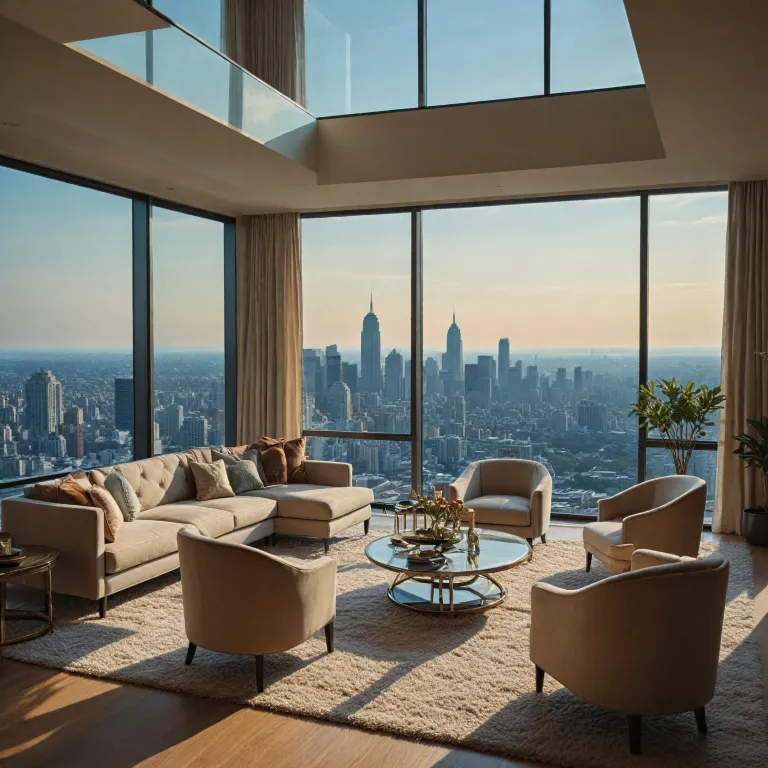
The evolution of influencer marketing in luxury hotels
Luxury hotels influencer campaigns have transformed the landscape of hospitality marketing, merging the allure of exclusive experiences with the reach of digital creators. The rise of social media platforms such as Instagram and TikTok has empowered hotels to connect with their target audience through influencer-driven strategies, amplifying brand awareness and engagement. Influencers, both micro and macro, curate content that resonates with luxury travel enthusiasts, positioning hotels and resorts as aspirational destinations. Hotel brands like Canopy by Hilton, Bulgari Hotels & Resorts, and The Hoxton have embraced influencer marketing to showcase their unique offerings. These campaigns leverage influencer content to highlight signature amenities, local culture, and immersive guest experiences, often resulting in a surge of direct bookings. By integrating user-generated content and encouraging followers to view post shared by influencers, luxury hotels create a dynamic feedback loop that enhances authenticity and trust. The effectiveness of influencer campaigns lies in their ability to humanize brands and foster genuine connections. Instagram followers and TikTok audiences engage with influencer content that feels personal and relatable, driving organic growth for hotel social channels. As influencer marketing continues to evolve, luxury hotels are refining their strategies to maximize impact and ensure that every campaign aligns with the expectations of discerning travelers.Strategic partnerships: selecting the right influencers for luxury hotels
The success of luxury hotels influencer campaigns hinges on the careful selection of influencers whose values and audience demographics align with the brand. Hotels and travel brands collaborate with creators who embody the essence of luxury travel, ensuring that influencer content authentically represents the hotel experience. This alignment is crucial for marketing hotels to a sophisticated target audience that values exclusivity and personalized service. Brands like Fairmont and Conrad Hotels & Resorts prioritize partnerships with influencers who demonstrate expertise in luxury travel and possess a loyal following. These collaborations often extend beyond a single post or campaign, fostering long-term relationships that yield sustained brand awareness. Influencer-driven events, such as Bulgari Hotels’ luxury pajama party campaign, exemplify how hotels leverage influencer marketing to create memorable moments that resonate across social media. Agencies and platforms play a pivotal role in connecting hotels with the right creators, utilizing analytics to match influencer profiles with brand objectives. The integration of influencer marketing agencies and content creation tools streamlines the process, enabling hotels to track campaign performance and optimize future initiatives. For a deeper understanding of influencer partnerships in hospitality, explore this comprehensive guide to influencer marketing strategies: influencer marketing strategies for hospitality.Content creation and amplification: maximizing reach on social media
Content is the cornerstone of luxury hotels influencer campaigns, with creators producing visually compelling narratives that captivate audiences. Instagram posts, TikTok videos, and stories offer immersive glimpses into hotel life, from opulent suites to curated dining experiences. Influencers craft content that not only showcases the hotel but also aligns with the interests of their followers, driving engagement and encouraging potential guests to view post and interact with the brand. User-generated content further amplifies the reach of marketing campaigns, as guests share their own experiences across social media platforms. Hotels resorts benefit from this organic exposure, which reinforces brand credibility and fosters a sense of community among travelers. The strategic use of hashtags, geotags, and branded content ensures that influencer campaigns remain visible to a global audience. Innovative tools such as augmented reality (AR) and virtual reality (VR) are increasingly integrated into influencer content, offering interactive experiences that differentiate luxury hotels from competitors. For insights into how AR and VR are shaping hotel marketing, visit this resource on immersive marketing technologies: immersive marketing technologies in hospitality.Measuring impact: analytics and ROI in influencer-driven campaigns
Quantifying the success of luxury hotels influencer campaigns requires a robust analytics framework. Hotels leverage social media analytics, tracking software, and influencer marketing platforms to monitor key performance indicators such as engagement rates, reach, and direct bookings. The ability to measure ROI is essential for justifying marketing investments and refining future strategies. Brand awareness is a primary objective, with hotels seeking to expand their digital footprint and attract new audiences. Metrics such as the number of instagram followers gained, the volume of post shared, and the overall sentiment of influencer content provide valuable insights into campaign effectiveness. Influencer campaigns that drive measurable increases in bookings and social media engagement are considered particularly successful. The integration of user-generated content into marketing campaigns further enhances the authenticity and impact of influencer marketing. Hotels that encourage guests to post instagram content and tag the brand benefit from a continuous stream of fresh, relatable material.Innovation and trends: AR, VR, and micro-influencers in luxury travel
The luxury hospitality sector is at the forefront of innovation, adopting emerging technologies and trends to elevate influencer marketing campaigns. The use of AR and VR enables hotels to offer virtual tours and immersive previews, allowing potential guests to experience the property before booking. These technologies enhance influencer content, making it more interactive and engaging for social media audiences. Micro-influencers have gained prominence in luxury hotels influencer campaigns, offering highly engaged, niche audiences that drive authentic interactions. Hotels recognize the value of partnering with creators who possess deep connections with their followers, resulting in higher engagement rates and more meaningful brand awareness. Collaborations with fashion brands and local artists further enrich influencer content, adding layers of exclusivity and cultural relevance. The emphasis on user-generated content continues to grow, with hotels integrating guest experiences into their marketing strategies. This approach not only amplifies the reach of influencer campaigns but also reinforces the hotel’s commitment to authenticity and guest satisfaction. As the industry evolves, luxury hotels will continue to explore new avenues for influencer-driven marketing, ensuring that their campaigns remain at the cutting edge of digital engagement.Best practices and expert insights for luxury hotel influencer campaigns
Effective luxury hotels influencer campaigns are built on a foundation of credibility, expertise, and trust. Hotels must prioritize transparency in their partnerships, clearly disclosing collaborations and maintaining open communication with influencers. This approach fosters trust among followers and enhances the perceived authenticity of influencer content. Expert insights highlight the importance of aligning influencer selection with brand values and target audience preferences. As stated in the dataset, "Luxury hotels select influencers whose audience demographics align with their target market, ensuring authenticity and effective engagement." Additionally, "Hotels benefit from increased brand visibility, authentic content creation, engagement with new audiences, and potential increases in direct bookings." These perspectives underscore the strategic value of influencer marketing in the luxury hospitality sector. Continuous monitoring and adaptation are essential for sustaining the success of influencer campaigns. Hotels should regularly review campaign performance, solicit feedback from influencers and guests, and adjust their strategies to reflect evolving trends and audience expectations. By embracing best practices and leveraging expert guidance, luxury hotels can maximize the impact of their influencer marketing initiatives and maintain a competitive edge in the digital marketplace.Key statistics on luxury hotels influencer campaigns
- 50% of consumers are influenced by social media in travel decisions.
- Moxy's AR campaign generated 100 million brand impressions.
Frequently asked questions about luxury hotels influencer campaigns
How do luxury hotels choose influencers for their campaigns?
Luxury hotels select influencers whose audience demographics align with their target market, ensuring authenticity and effective engagement.
What benefits do hotels gain from influencer partnerships?
Hotels benefit from increased brand visibility, authentic content creation, engagement with new audiences, and potential increases in direct bookings.
Are influencer campaigns effective for all types of hotels?
While particularly effective for luxury and boutique hotels, influencer campaigns can be tailored to suit various hotel types by aligning with appropriate influencers and content strategies.
Trusted sources for further reading
- https://resources.audiense.com/en/blog/how-luxury-travel-brands-are-using-ugc-and-influencer-marketing
- https://www.altexsoft.com/blog/hotel-marketing/